Draw Easily with Colored Pencils
Color pencils have accompanied us throughout almost our entire school life: we used to bring them from elementary school to color our homework; however, this should not diminish their prestige, as they are an artistic material with great potential.
Hello again! Welcome to this article where we are going to learn how to make the most of this material that you undoubtedly already have at home, and with which it is possible to create true wonders.

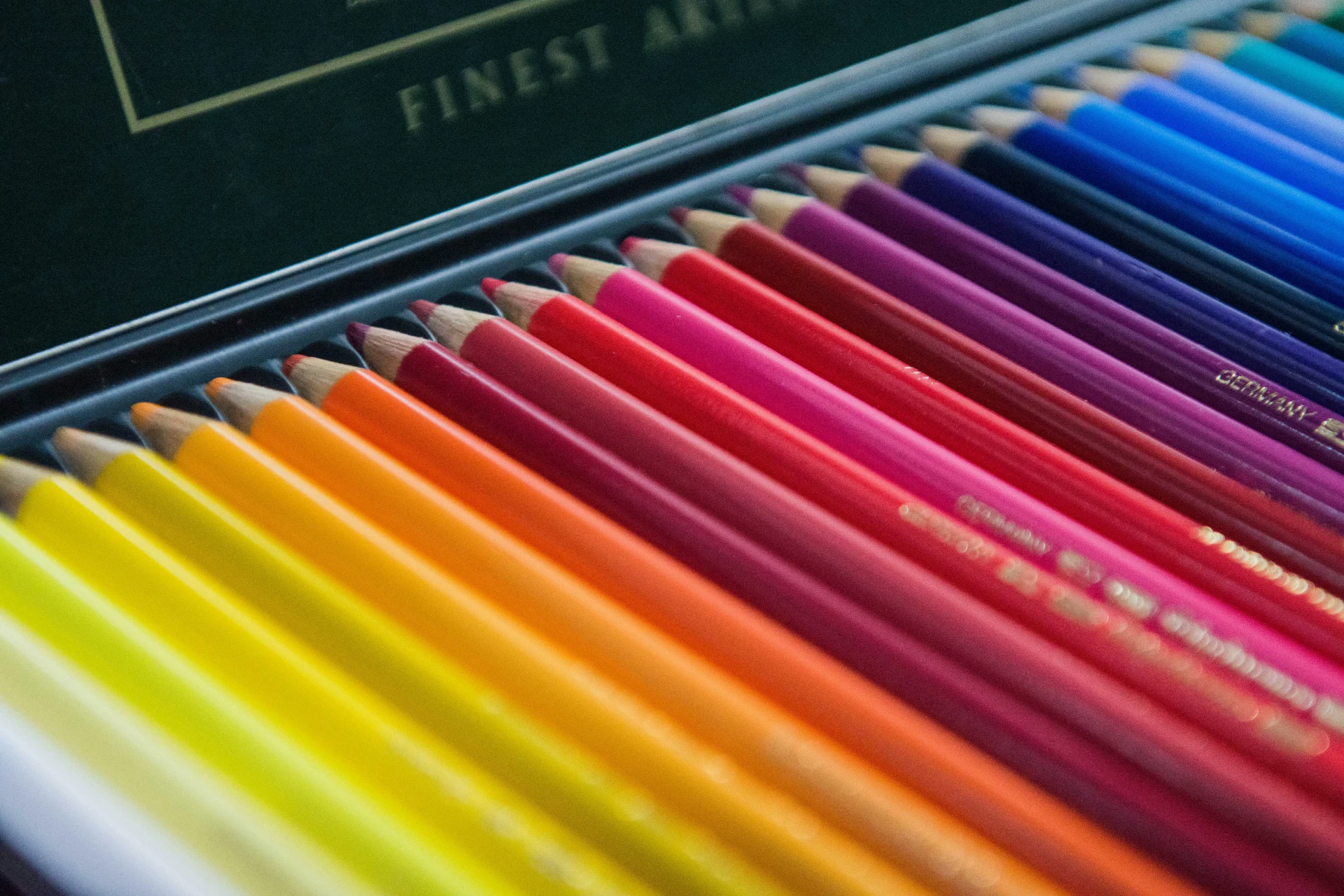
The characteristics of colored pencils
Before beginning to color, it is recommended to experiment with the materials to become familiar with their unique characteristics. Indeed, manufacturing processes always lead to some variations: therefore, it is possible that even when buying two boxes of crayons from the same brand, their colors may show slight differences.
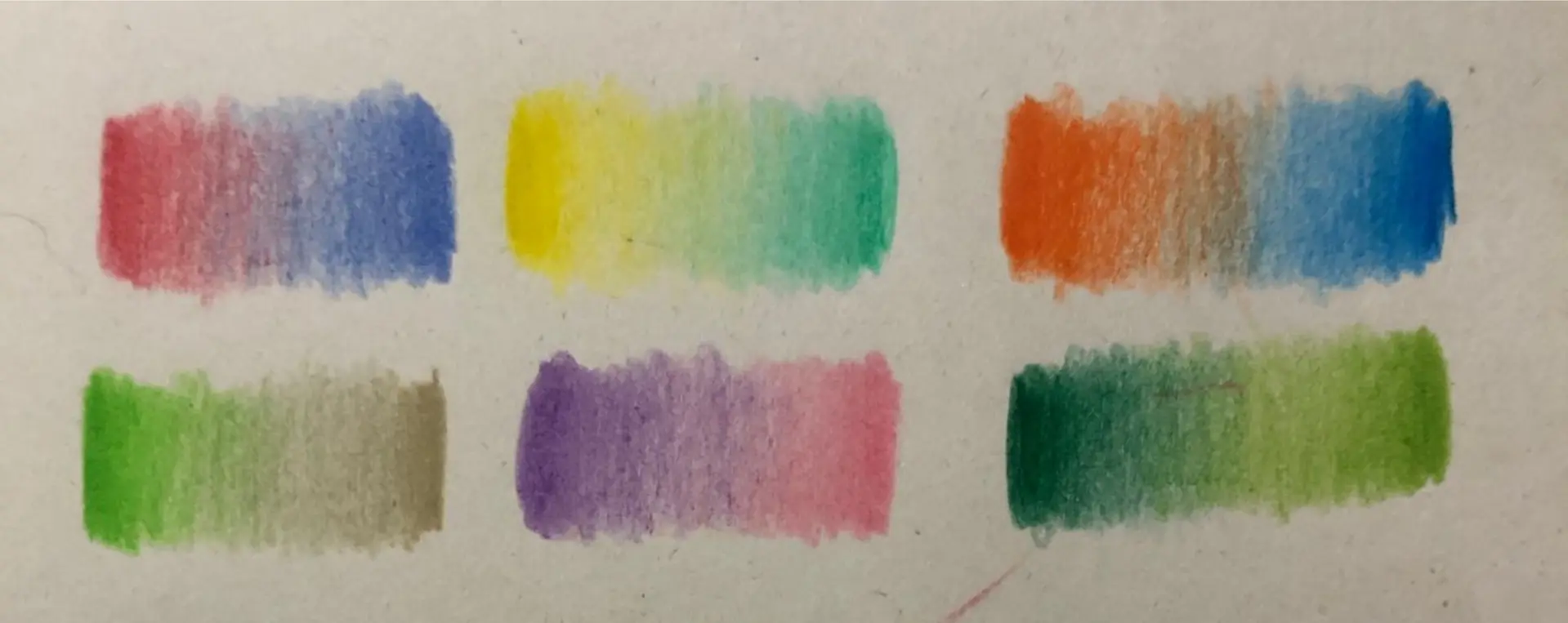
The gradients
Create gradients with each color to observe the softness of the lead and the intensity of the pigment.

Chromatic harmony
Then move on to the next step: make color transitions to see how the shades blend together. You will see that one color can dominate another, or, on the contrary, that some do not match very well.
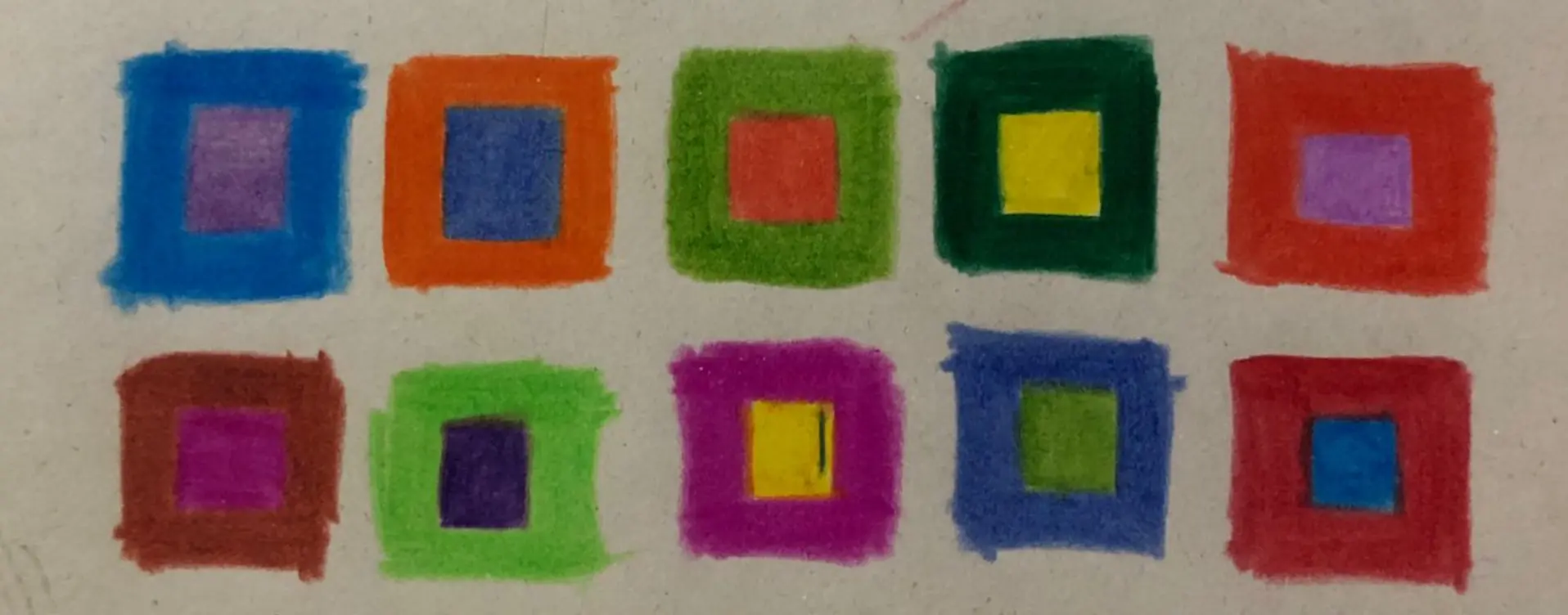
Color Overlays
Create shapes with two or more colors without mixing them, in order to observe how chromatic relativity applies in each case.
How to use colored pencils?
Here are two techniques you can incorporate into your creations to achieve different results:
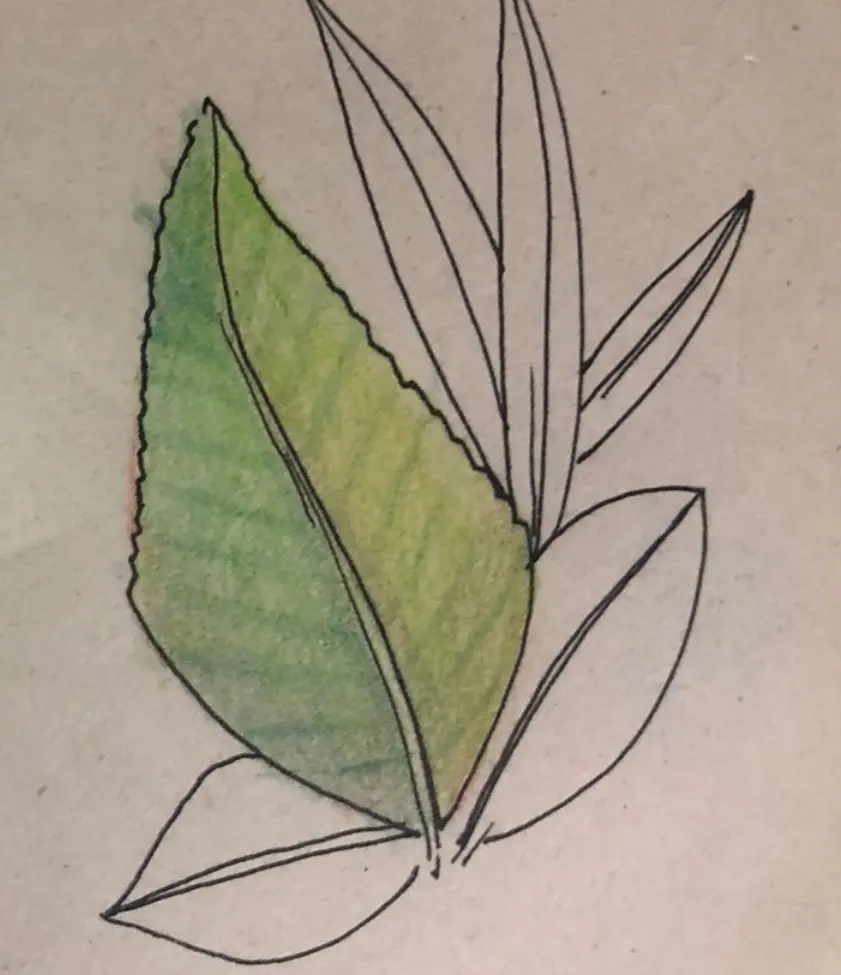
Layering light layers to blend shades
An effective and pleasant way to mix colors is to layer them. To do this, color gently and evenly, alternating the shades necessary to achieve the desired combination.
Polishing or smoothing of paper
Often, paper has a certain texture, which is noticeable when you color on it. If you want a smoother and shinier finish, use a light color and apply a firm layer of color, which will have the effect of smoothing the paper's surface.
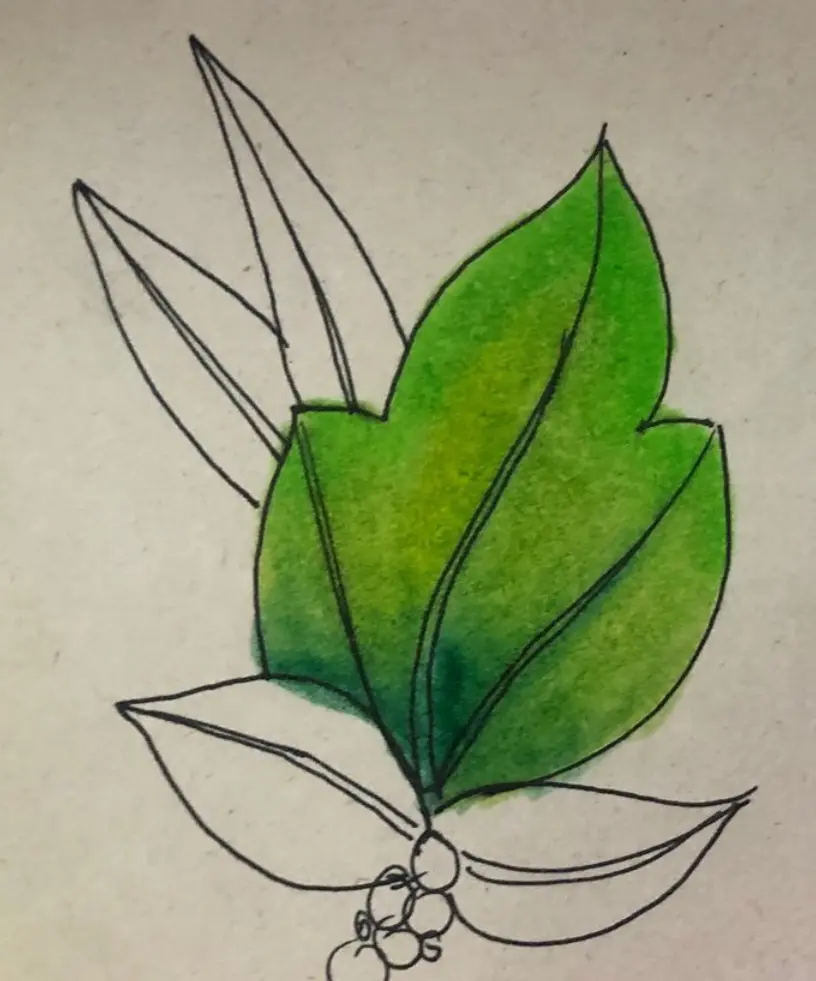
Draw an eye with colored pencils
Choose a sketch or a drawing to color. Once chosen, prepare all the colors you have: the more, the better! Even if you have ten reds, each will have a slightly different shade.
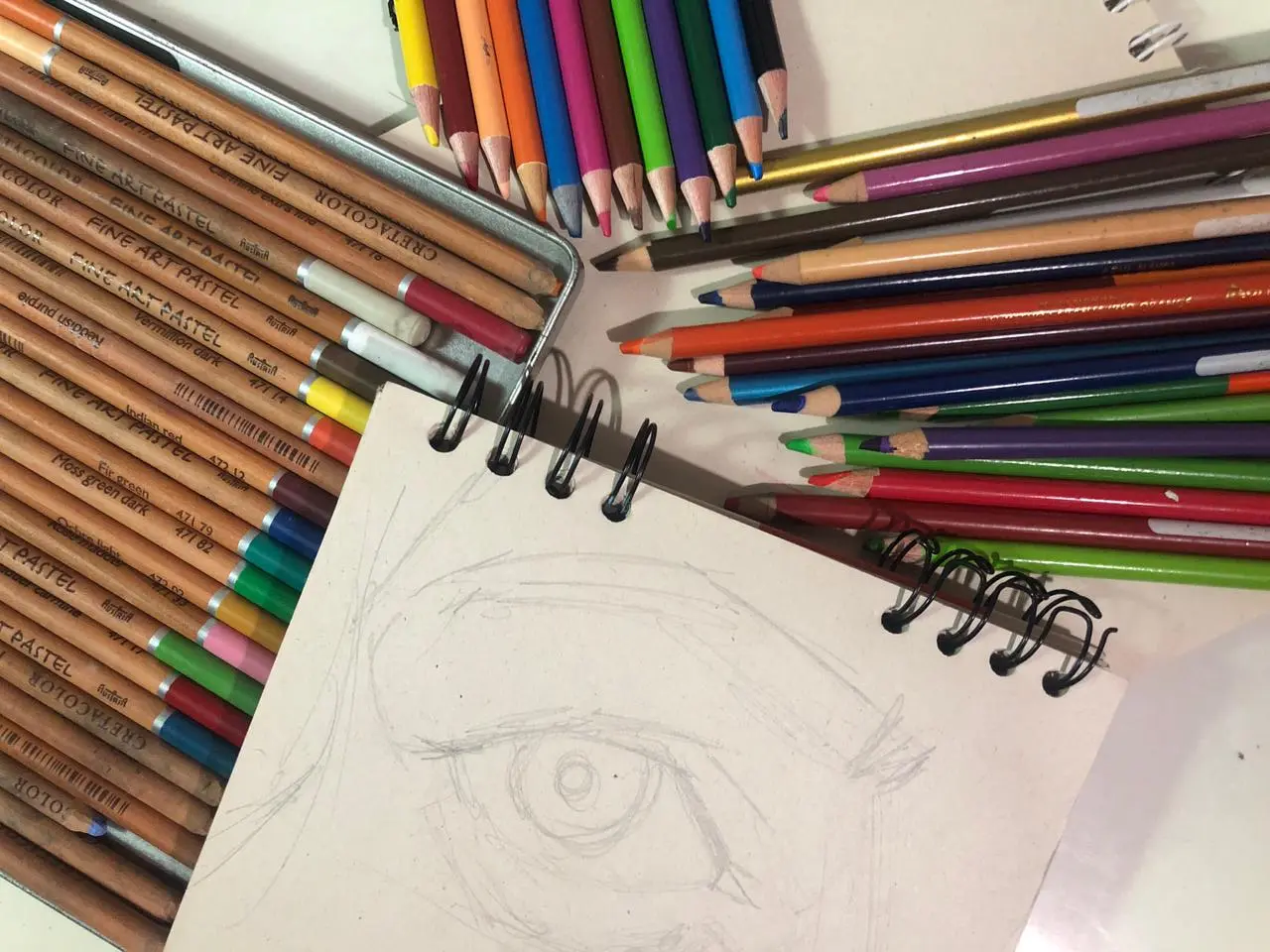
Personally, I like to define the deepest areas from the start, it helps me understand the drawing better through contrast.
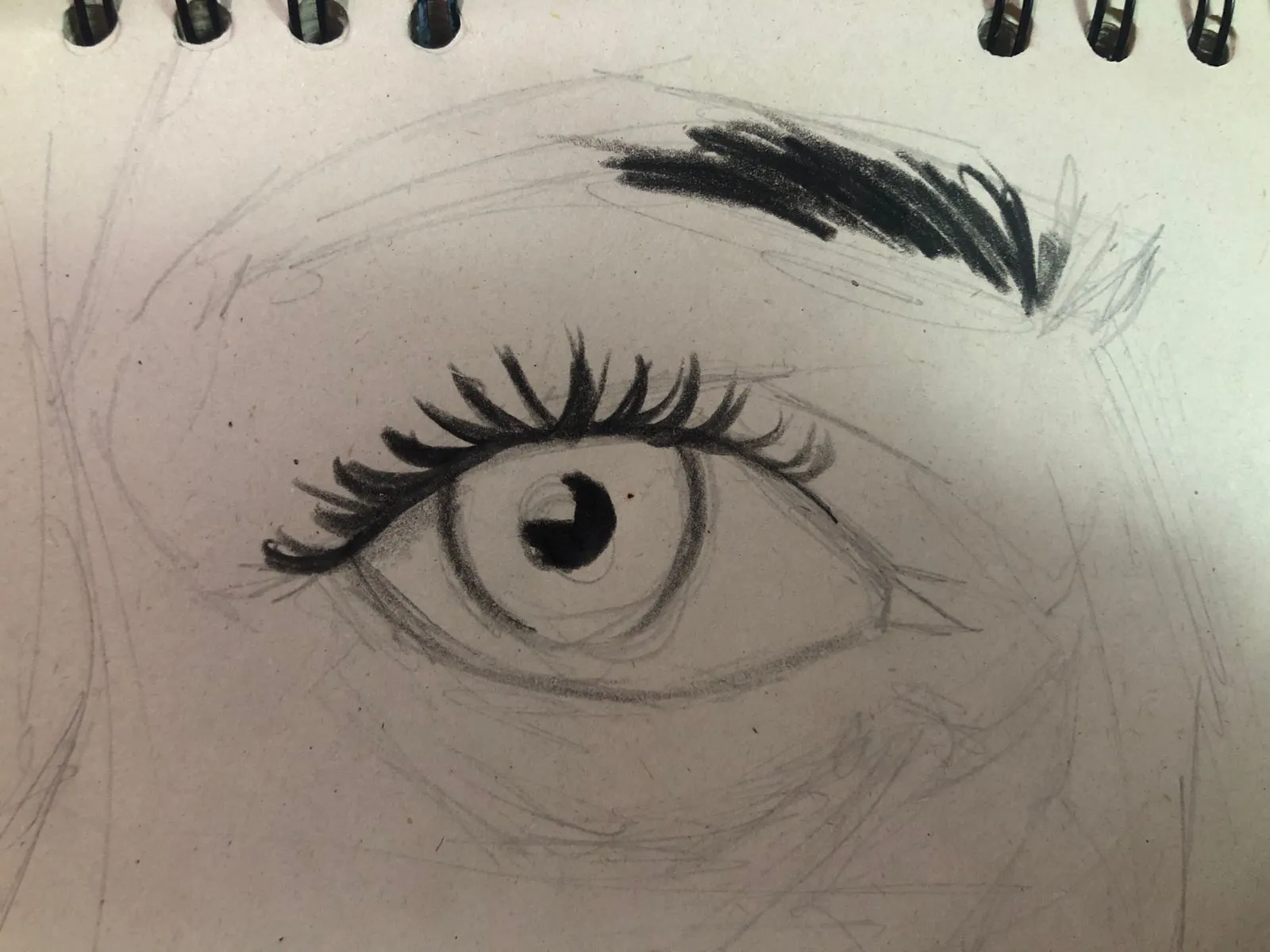
Add gradients
Choose the color that will serve as the base for your drawing and gently cover the area with short, delicate strokes. Then continue to layer with the different colors you want to use.
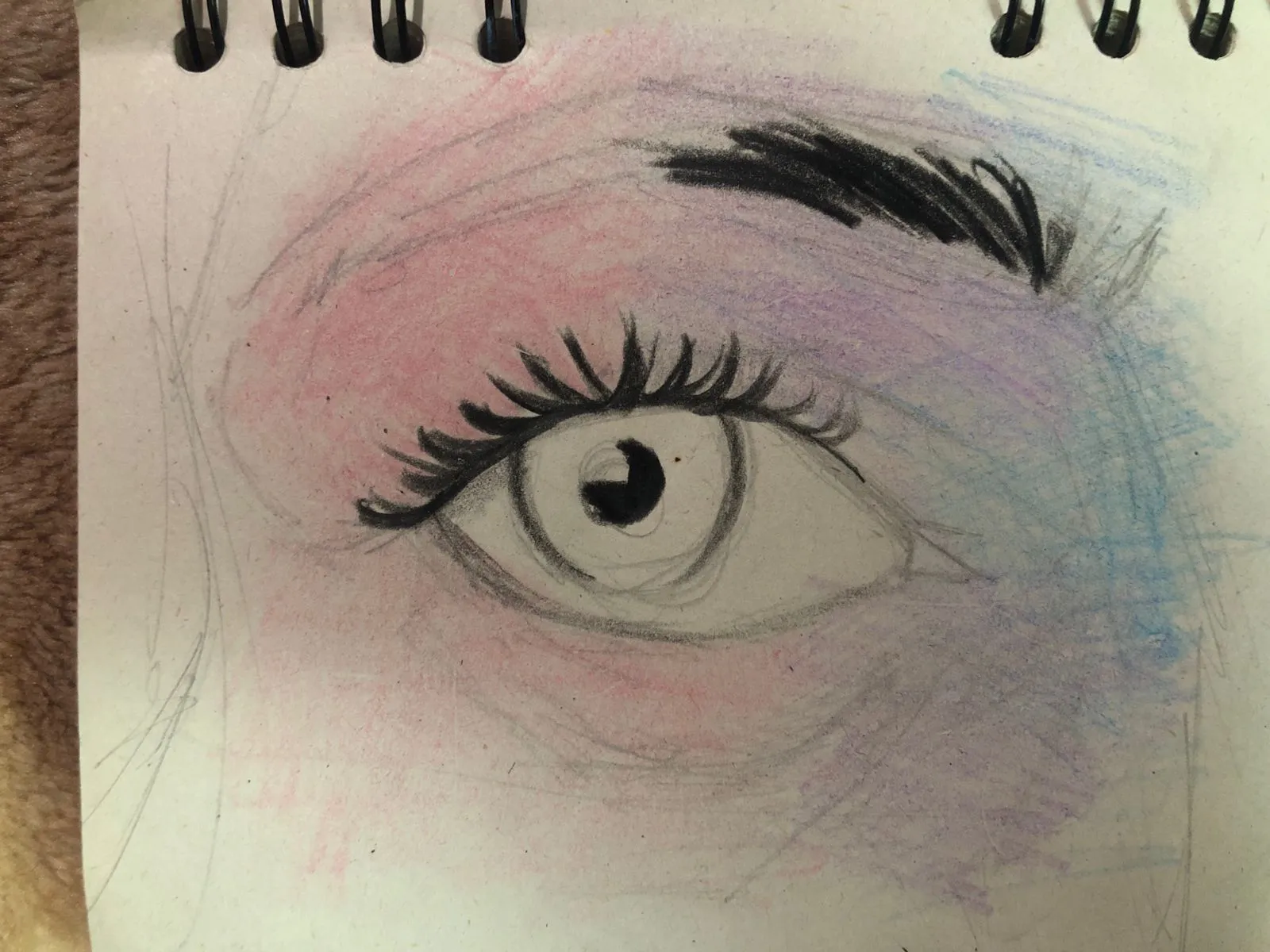
To ensure a smooth transition between shades, avoid abrupt breaks by creating gradients. The lightest stroke should go over the base color, then, as it moves away, gradually evolve towards the pure color.
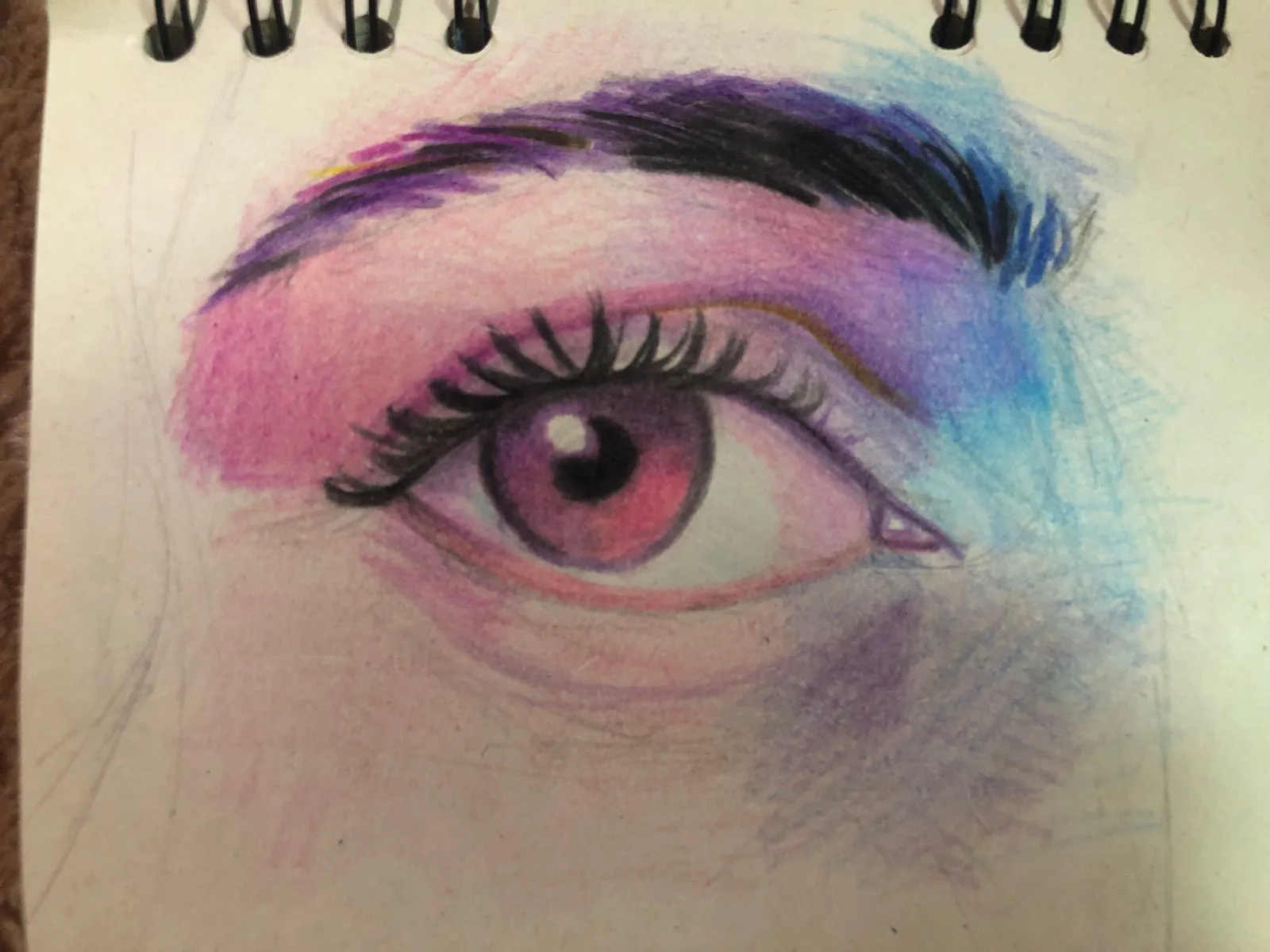
If the available shades are not dark enough, add a layer of complementary color: this will achieve a darker, yet equally saturated shade. You can also use a relatively darker shade if you wish to slightly alter the tone. This same method can also be used to lighten some colors.

We are coming to the end of this article!
I hope these tips and exercises will be helpful for you to fully exploit the potential of this sometimes underestimated material. So, no more excuses: dare to add some color to your drawings!
Writer and Illustrator: Bryam