
What is the Best Position for Drawing?
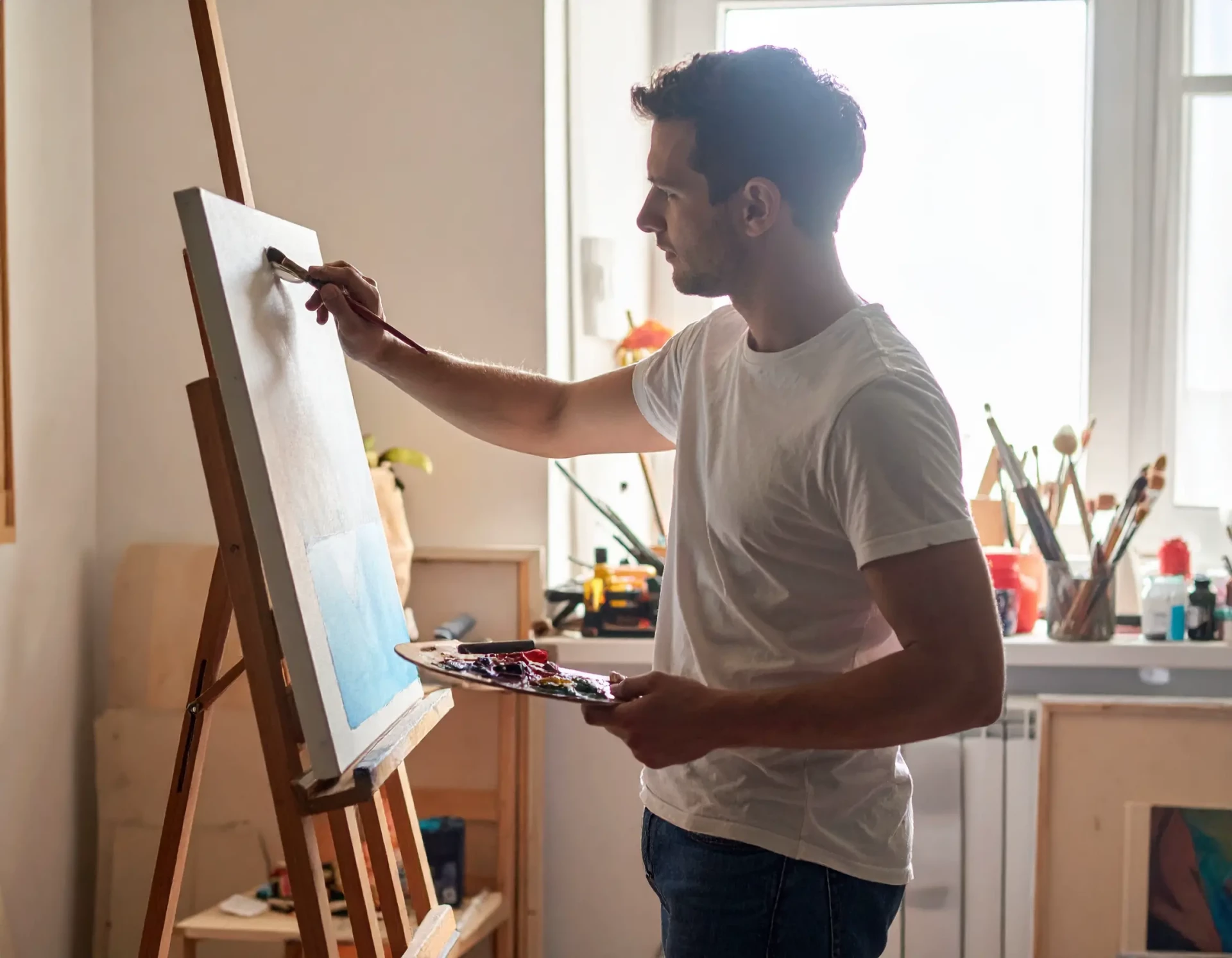
If you draw or study art regularly, you have probably already experienced pain in your back, neck, shoulders, and even hips. And you probably know the cause: sitting for long periods creates tension in all the muscles throughout the body.
Hello again and welcome to this new article dedicated to position and posture, an essential subject for practicing drawing correctly while preserving your health. Below, you will find several practical recommendations that can really help you.
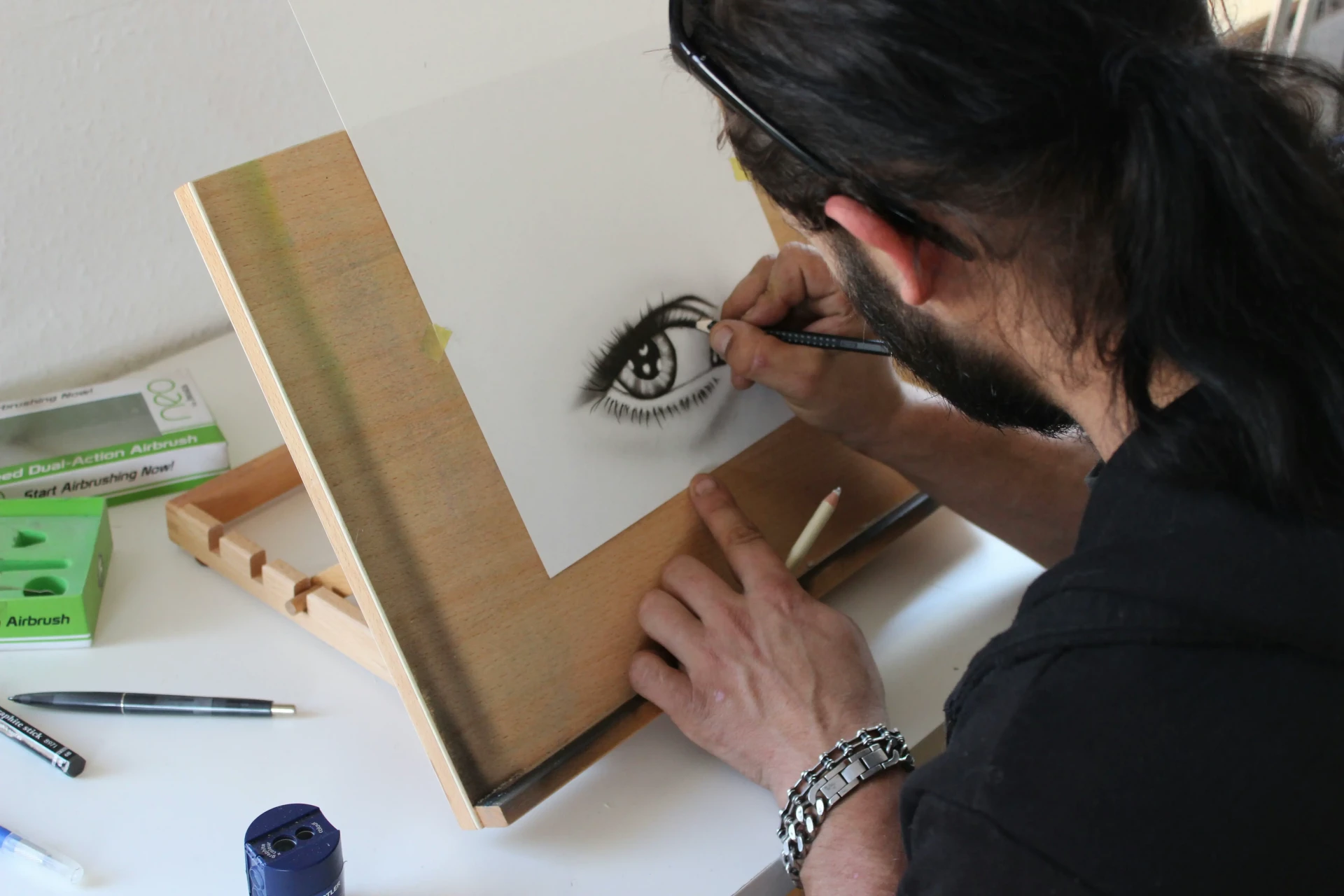
Key precautions to avoid injuries
Even if you adopt good posture while creating your artwork, keep in mind that you will remain in the same position for a long period. Here are some recommendations to reduce fatigue and avoid complications:
- Rest your eyes: take a few seconds from time to time to look away from your drawing. You can close your eyes or look at a distant object.
- Suitable lighting: always draw in a well-lit area. If you can use natural light, that's even better: this way, you'll avoid straining your eyes.
- Active breaks: whenever you feel the need, stand up and walk around a bit. Use this as an opportunity to relax your shoulders, neck, and back.
- Drink water: essential, as good hydration keeps your muscles in good condition and helps to avoid cramp and other discomfort.
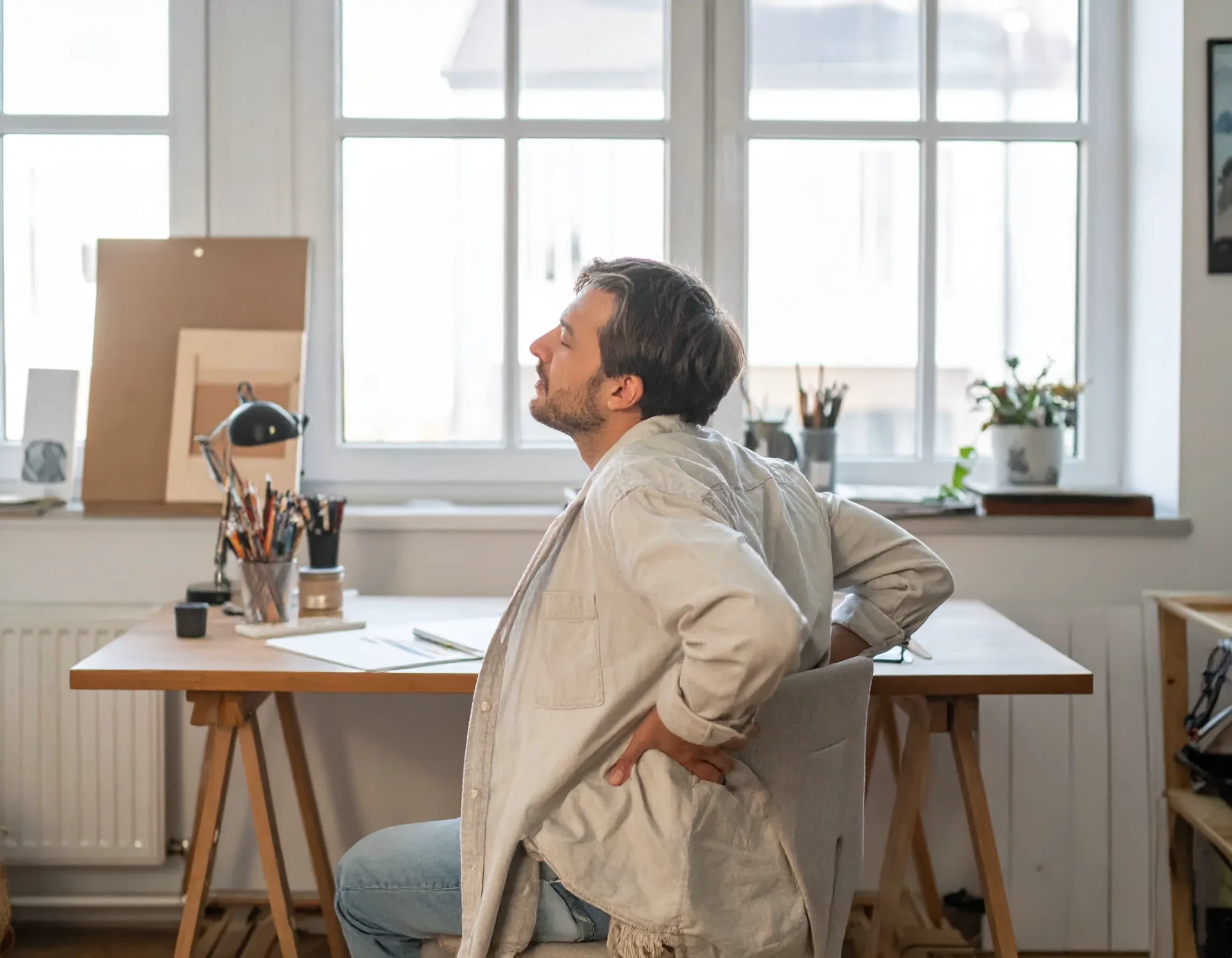
Stretching before and after drawing is essential
Don't forget that you will spend hours in the same position. Therefore, it's very important to prepare your muscles and joints for the stress that awaits them. Similarly, it is essential to stretch at the end to release the muscles after their exertion.
Warm up before starting to draw
- Slowly rotate your head in both directions.
- Rotate your shoulders forward and backward, 5 to 10 times in each direction.
- Bend your wrists: stretch and contract the joints with several exercises.
Cool down at the end of the session
- Stand up, raise your arms, stretch by bending your elbows and tilting your hands back, then count to 20.
- Open and close your hands several times, then after a few repetitions, keep your hands wide open for a few seconds. Repeat.
- Stretch the lower back by elongating the entire spine.
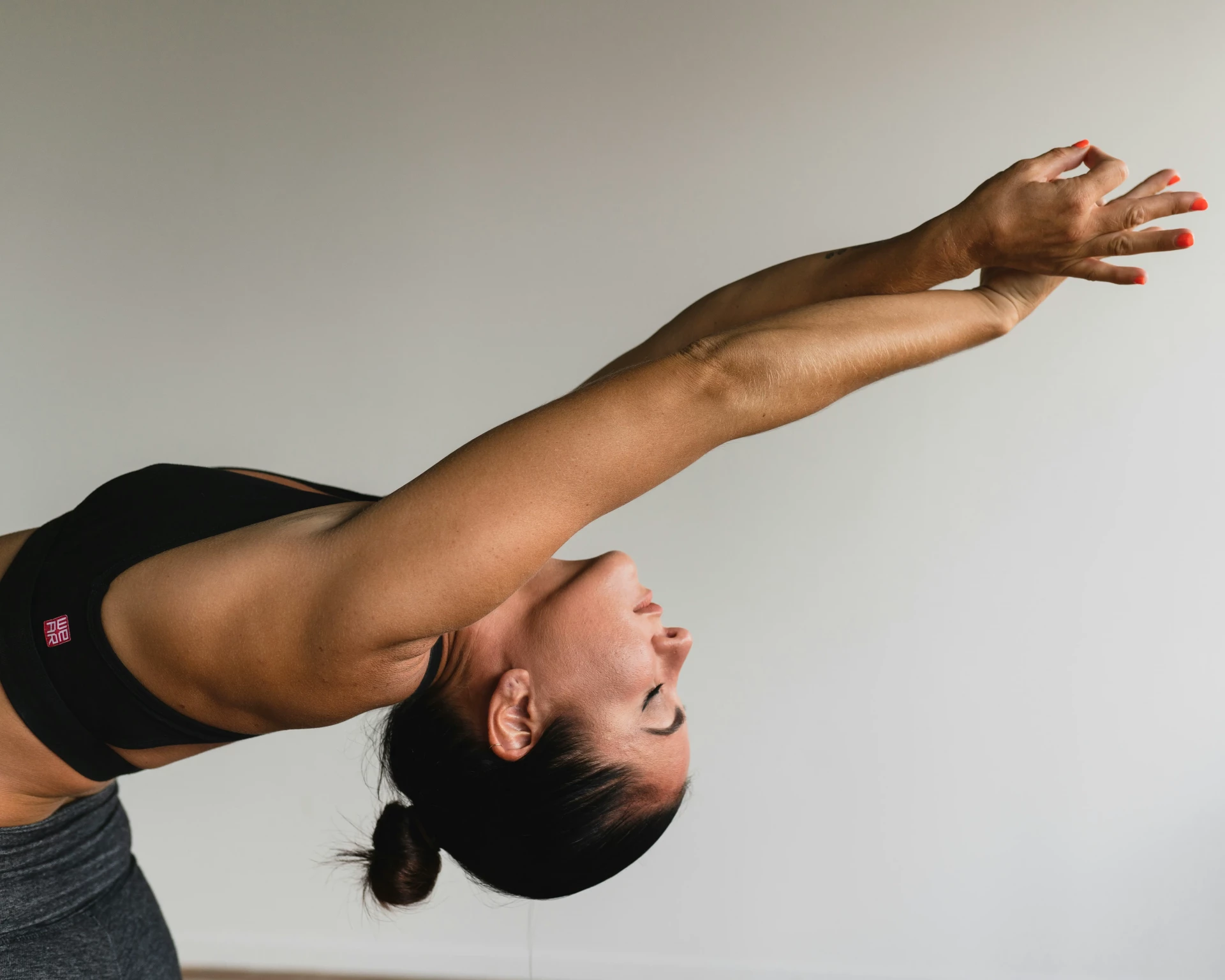
What are suitable drawing positions?
Draw while sitting down for greater precision
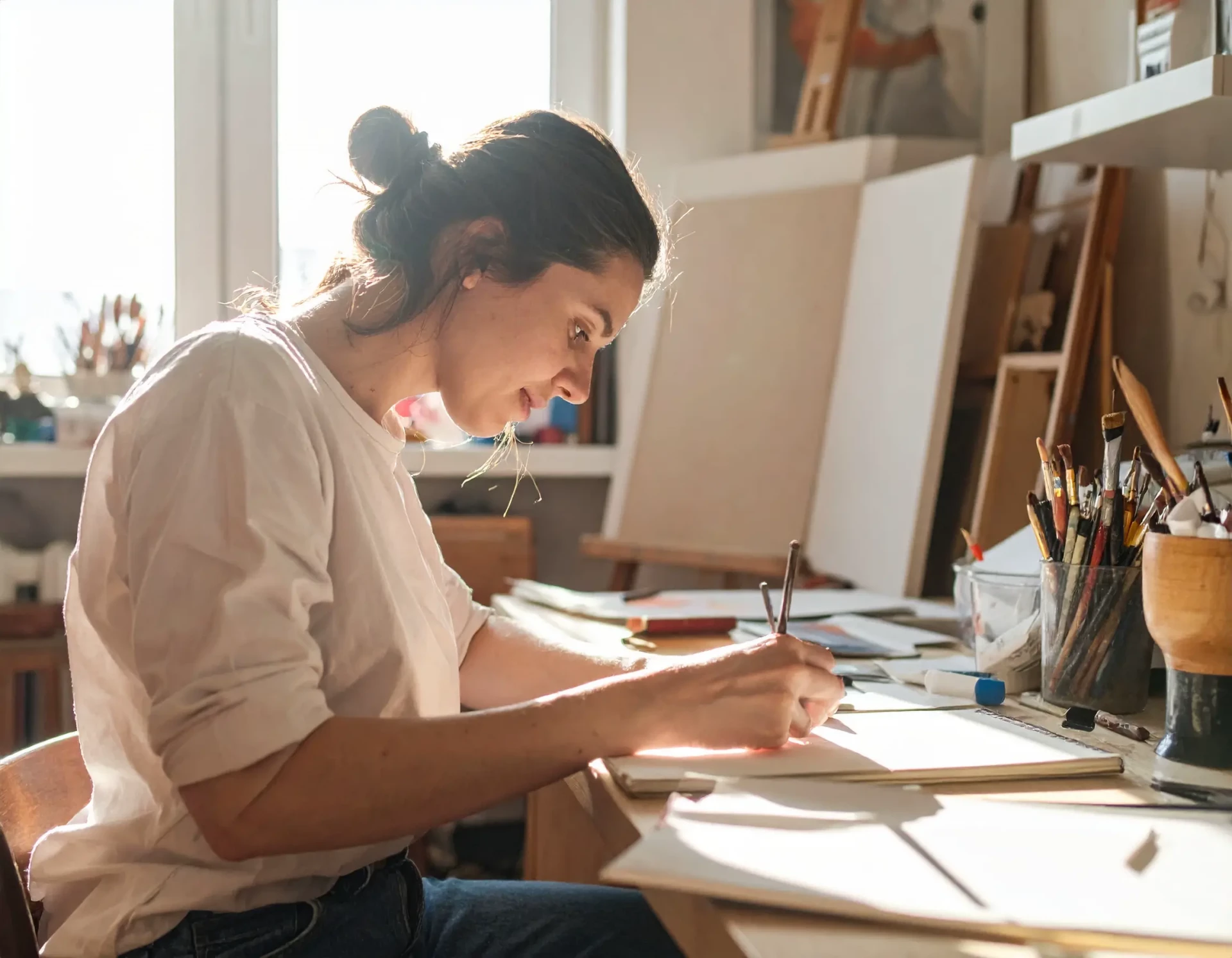
School teaches us to work while sitting down, and it's not very different here. Sit on a chair in front of a desk or table. Once seated, be sure to follow this setup:
- Feet firmly on the ground.
- Knees hip width apart.
- Lower back (lumbar area) supported by the chair back.
- Relaxed shoulders.
- Avoid slouching as much as possible.
- Elbows bent between 90 and 110 degrees.
- Be an arm's length away from the paper or screen.
In this position, you can create detailed drawings, as it allows you to get closer to the paper to carefully observe each part of your drawing, while holding the pencil firmly for precise lines.
Draw while standing up to improve stroke movement and proportions
This might seem strange to you, but drawing while standing up is a common practice among trained artists: it enables them to sketch in a comfortable and natural way. If you wish to try this position, keep the following points in mind:
- Both feet must support the body weight in a balanced way.
- Place your drawing slightly below eye level, so you don't have to look down constantly.
- Keep an arm's length away from your drawing.
- The movement of your stroke starts from the shoulder, which prevents pressure on the wrist.

This position enables you to see the whole drawing area, which improves your perception of the size of objects. It also facilitates long strokes: take advantage of this to work on the composition of your drawing.
We have reached the end of this article. I hope it has helped you identify some points to improve in your own drawing position and better understand how to avoid pain and discomfort in the long term.
Drawing is above all a pleasure, but it is also a discipline that helps us progress and become better.
Writer: Bryam
Discussion
No comments yet.