
How to Choose the Right Paper for Acrylic Painting
If you are starting to explore wet techniques and have become interested in acrylic painting, you have surely already wondered what the ideal support for this material is. And I have good news for you: you can use paper! Yes, it is not essential to buy expensive canvases or other materials. Good quality paper can provide a perfectly suitable painting surface.
Today, I'll explain which features to consider to be sure you choose the perfect paper for your creation.

Key criteria for choosing the right paper
When you enter a stationery store, you quickly realize that there is a very wide selection. Paper varies according to its use, so it is important to understand the relevant criteria in order to be able to navigate this sea of possibilities.
Grammage of the paper (thickness and density)
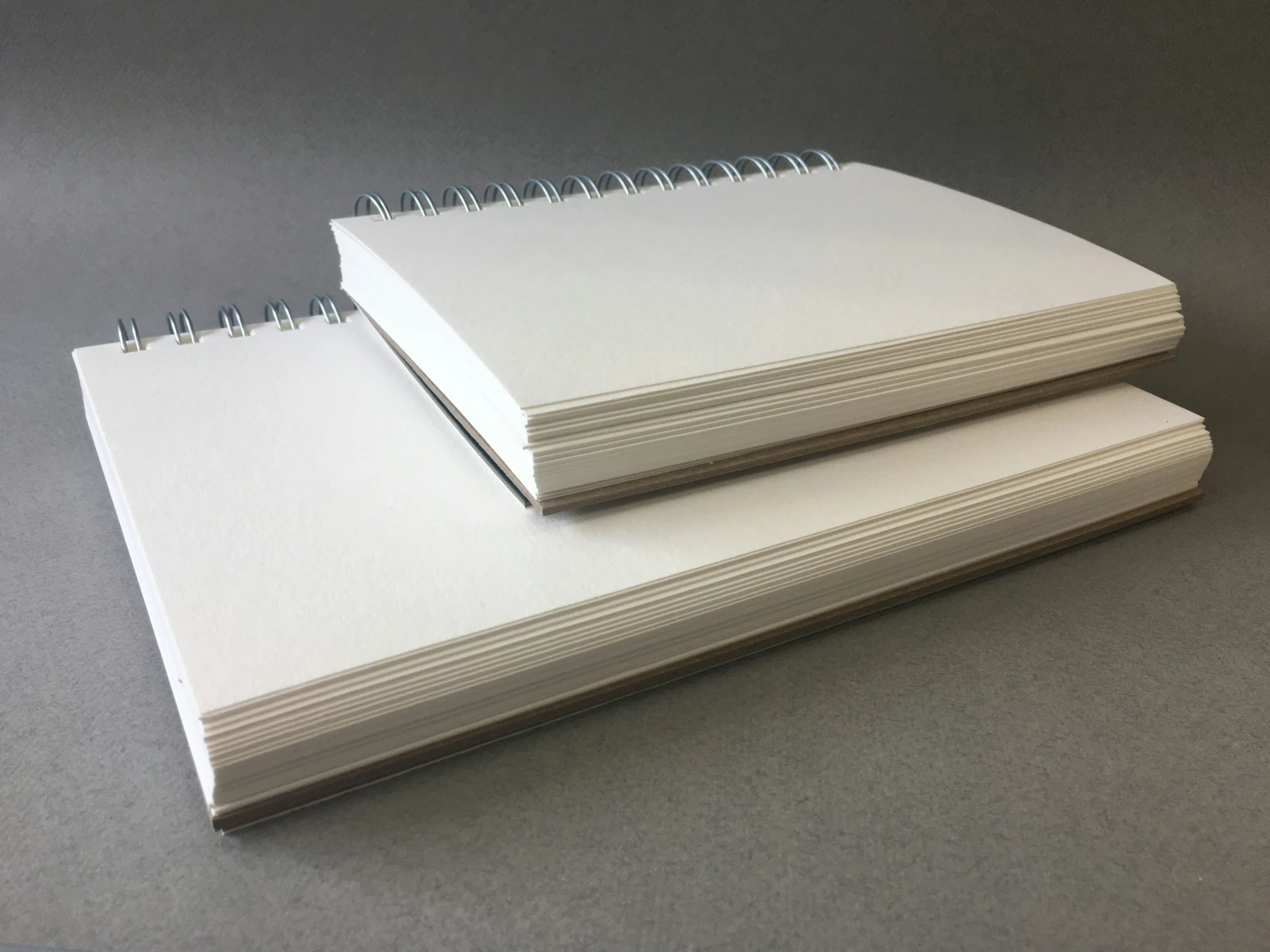
Weight: this indicates the thickness of the paper. For example, the paper used in school notebooks has a low weight, so it is thin, while watercolor paper has a much higher weight, making it more water-resistant. The unit of measurement is g/m² (grams per square meter).
To choose your ideal paper, aim for options between 200 and 300 g/m². The thicker the paper, the more durable it will be.
Texture of the paper (fine, medium, or rough)
Texture: not all types of paper are smooth. Some have a grain, a characteristic that can create very interesting effects when used effectively. There is fine grain paper and hot pressed paper, as well as paper with a more pronounced grain.
For this type of technique, I recommend medium grain or cold pressed paper, as it provides a suitable texture and good paint adhesion.
Recommended paper types
With these recommendations in mind, you will be able to choose paper with the ideal characteristics to withstand acrylic work. I suggest focusing on the following types of paper:
- Watercolor paper: very thick, sometimes enriched with cotton for better durability.
- Mixed media paper: designed to accommodate multiple mediums (watercolor, ink, acrylic, etc.).
- Canvas paper: paper already coated with gesso, just like a canvas!
Recommended paper brands for acrylic painting
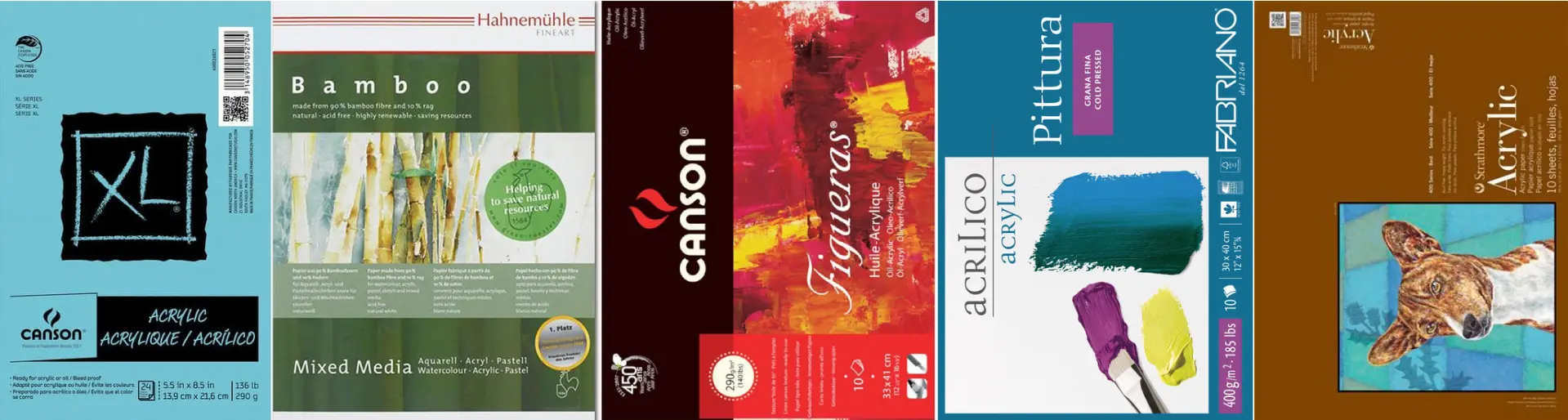
In addition, some paper companies have made it their mission to create special paper for artists, by launching ranges suited to varied and sometimes very specific needs, among which you will find:
- Canson XL Acrylic: weight between 290 and 400 g/m², fine grain, perfect for acrylic.
- Canson Figueras: specially designed for acrylic and oil, 290 g/m², texture similar to linen canvas.
- Fabriano Pittura: around 400 g/m², very resistant, with a subtle texture and excellent adherence.
- Strathmore 400 Series Acrylic: the name says it all! Very good weight, texture similar to canvas, perfect for this technique.
- Hahnemühle Bamboo Mixed Media: eco solution, weight of 265 g/m², made from bamboo, suited for wet techniques.
Paper formats for acrylic painting
We will now focus on another equally important aspect: the presentation of your works themselves.
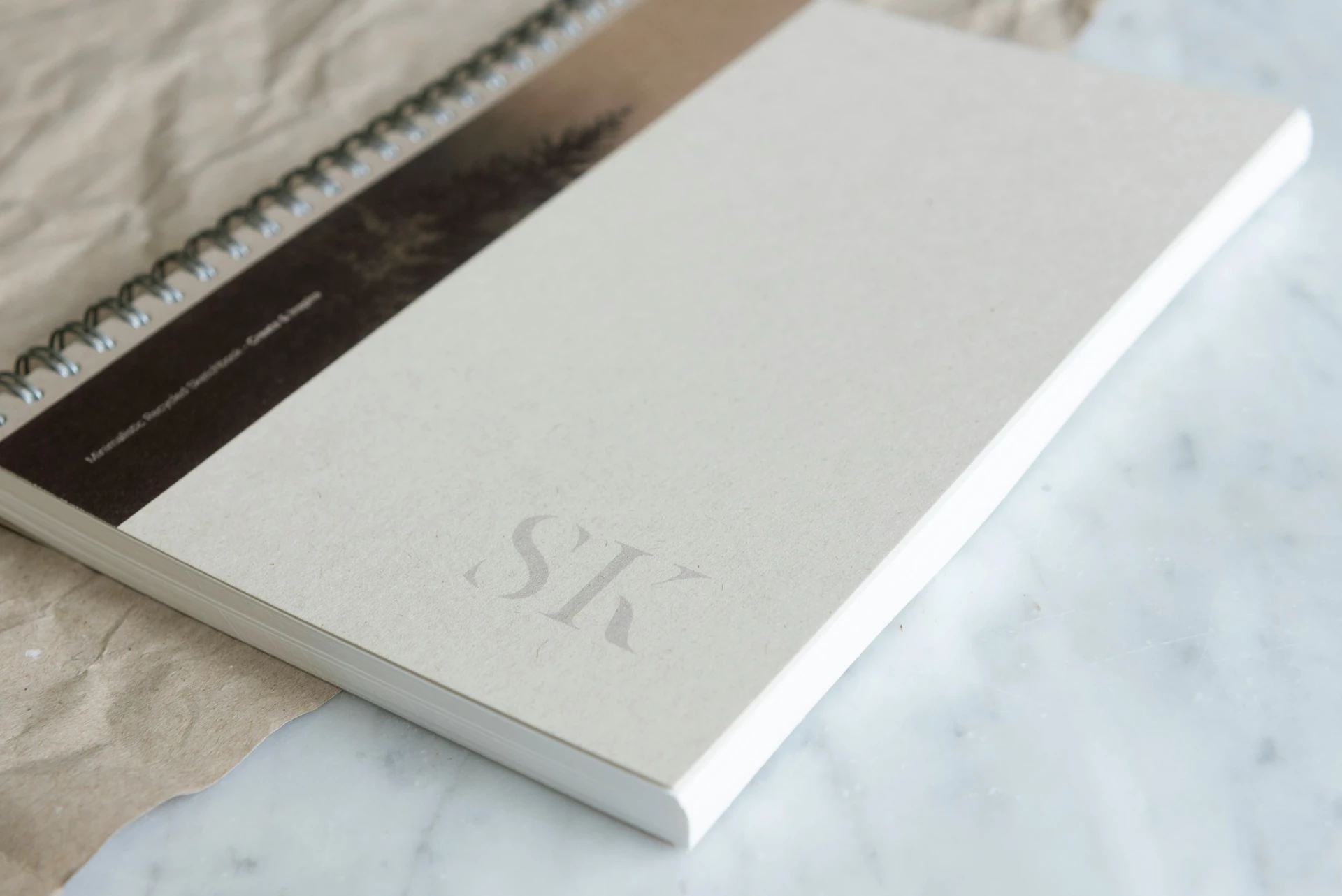
Sketchbook: Ideal for studies, experimenting, and sketches. Compact format, easy to carry, with multiple sheets available for experimentation.
Individual sheets: If you want to create a final piece, opt for this format. The sheets are often of better quality, larger in size, with sharp edges, and are usually only available individually.

I hope this article has provided answers to your questions and that with the recommendations presented here, you will be able to confidently choose the right paper for your paintings.
Keep in mind that these tips are not strict rules. You still need to experiment with different types of paper to determine, through your own experience, which one best suits your painting style.
Writer: Bryam
Discussion
Good evening
Interesting information. But then for preservation, should it be framed? Put under glass?
Thank you and have a good evening
Hi!
Once our painting is finished, it is not necessary to frame it. We can even store it in a drawing box or an envelope for archiving. Framing is done when we want to display the work, and glass is also optional in these cases; it is mainly recommended for very dusty environments or those exposed to corrosive agents.
Thank you Bryam
Thank you very much for all these explanations. This is exactly the question I was asking myself: how to choose the right medium? It prevents errors and indicates reading codes that I did not know how to interpret until now.
I still need to find these supports and test them. But I feel much more confident. The ball is in my court. Thanks again.