
Do You Need Talent to Draw?
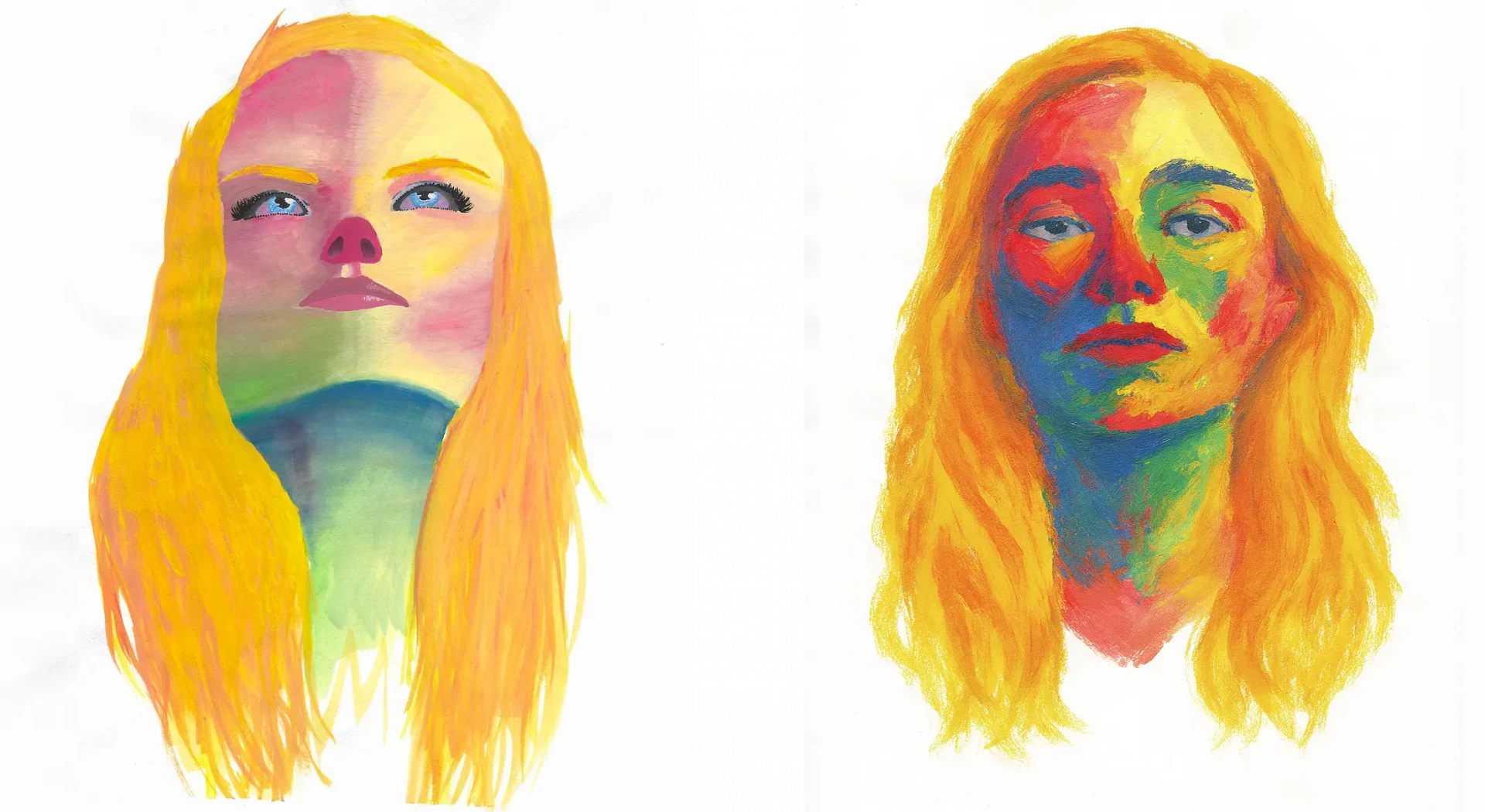
Hello everyone, today we're going to discuss a question that many people wonder about, often with a bit of apprehension: do you need talent to draw? It’s a widespread belief: some are said to be "born with a gift for drawing," while others apparently lack the skill. However, the reality is quite different. Drawing is not a matter of a mysterious gift, but of perspective, practice, and above all… patience.
The myth of innate talent
We've all heard this phrase before: "I can't draw, I have no talent."
But talent, in drawing, is not a magical door that opens or closes at birth. It is more an ability to observe, to understand shapes, volumes, light... and that can be developed.
The artists you admire today all started somewhere. Most spent hours failing, erasing, and starting over. It is not talent that makes the difference, but the desire to improve. Eventually, drawing works like everything else, the more you practice, the more natural it becomes. It seems obvious that no Olympic champion was born knowing perfectly how to practice their sport, so why would it be different with drawing?
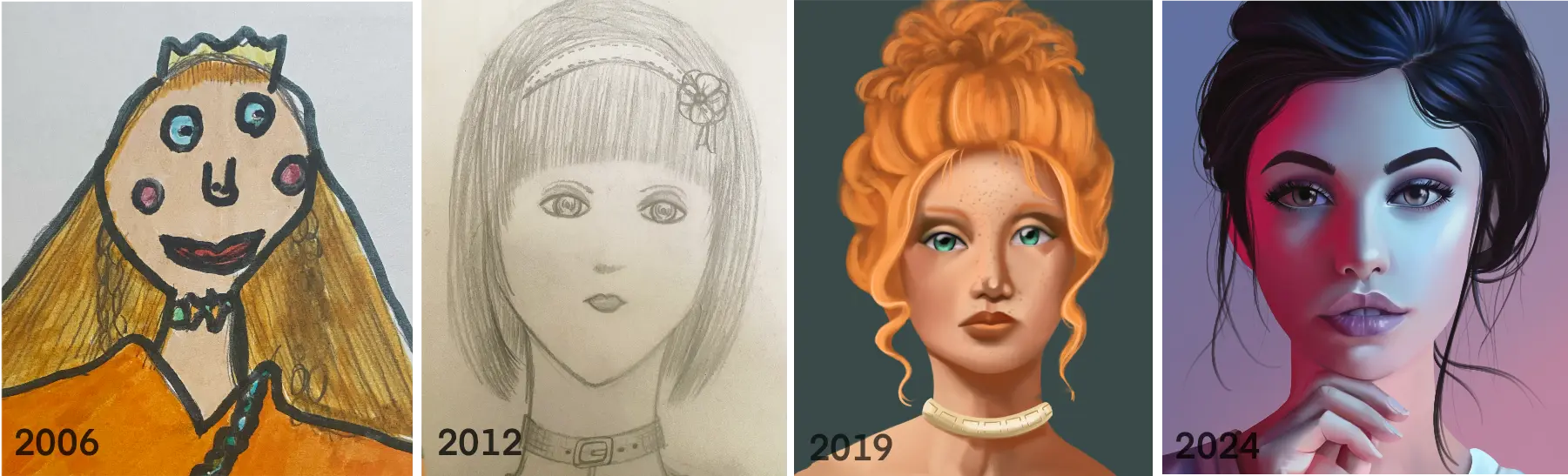
Let's take my own example: I was born in 1996, and as you can see, at 10 years old, I was far from being a prodigy in drawing. However, with practice and work, you end up getting quite convincing results. Note that throughout these years, I didn't draw consistently. Therefore, it might not necessarily take you a decade to reach a good level.
What we really call "talent"
What many call talent is often the result of accumulated experience.
An experienced artist seems to draw "effortlessly" because they have observed, tried, and corrected so much that some movements have become instinctive. It's not a gift, it's visual and muscle memory.
And then, there are different types of talent:
Some have a natural sensitivity to shapes and space.
Others intuitively understand color or light.
While some others may have an innate sense of composition or movement.
But even these qualities do not replace training. Drawing is a discipline where everything is learned: perspective, proportions, color, line.
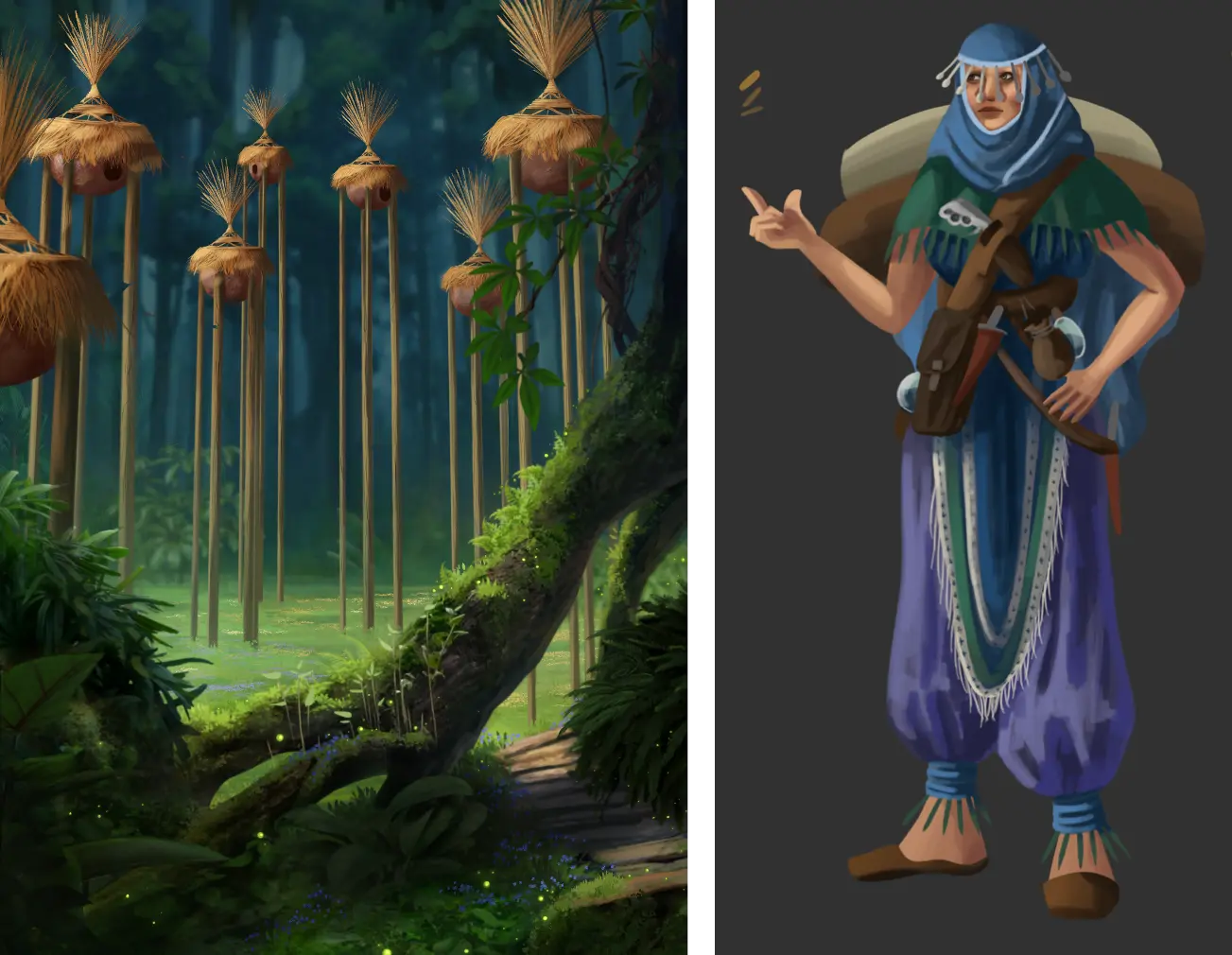
The two drawings below were drawn by the same person, at the same time. Yet, it's clear that the landscapes are more refined in terms of the final rendering. This is simply because it's their area of expertise. The same goes for all illustrators, even professionals.
The role of practice in drawing progression
Learning to draw is a bit like learning a language or a musical instrument. At first, you fumble around. You look for your bearings. But eventually, the actions become natural.
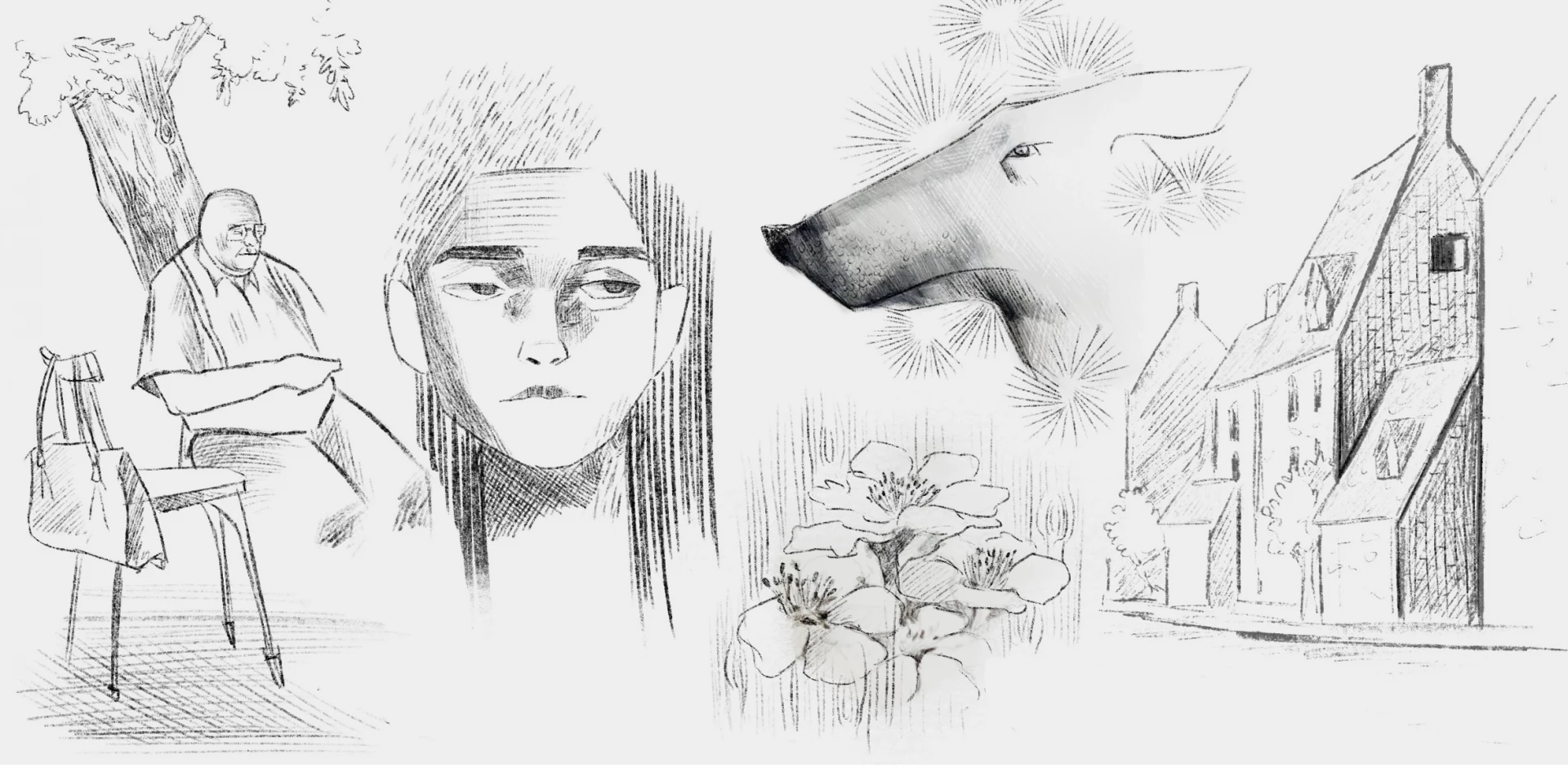
The biggest secret of drawing is observation. The more you learn to look, the better you draw. Observing is not just seeing a shape, but understanding its structure, its light, its rhythm. That's why observation exercises, sketch studies, or even quick drawings are essential: they train your brain to translate what your eyes perceive.
But there is another often underestimated key: learning the basics. Many think that taking classes stifles creativity, when in reality, it's quite the opposite. Knowing the fundamentals (perspective, proportions, shadows, composition, color) gives true freedom. Once these concepts become second nature, you can then modify them, simplify them, or stylize them in your own way.
Taking classes also means benefiting from a supportive external perspective. A teacher can correct your habits, help you understand your mistakes, and most importantly, save you time. They are not there to impose a style on you, but to give you solid tools so that you can express your own.
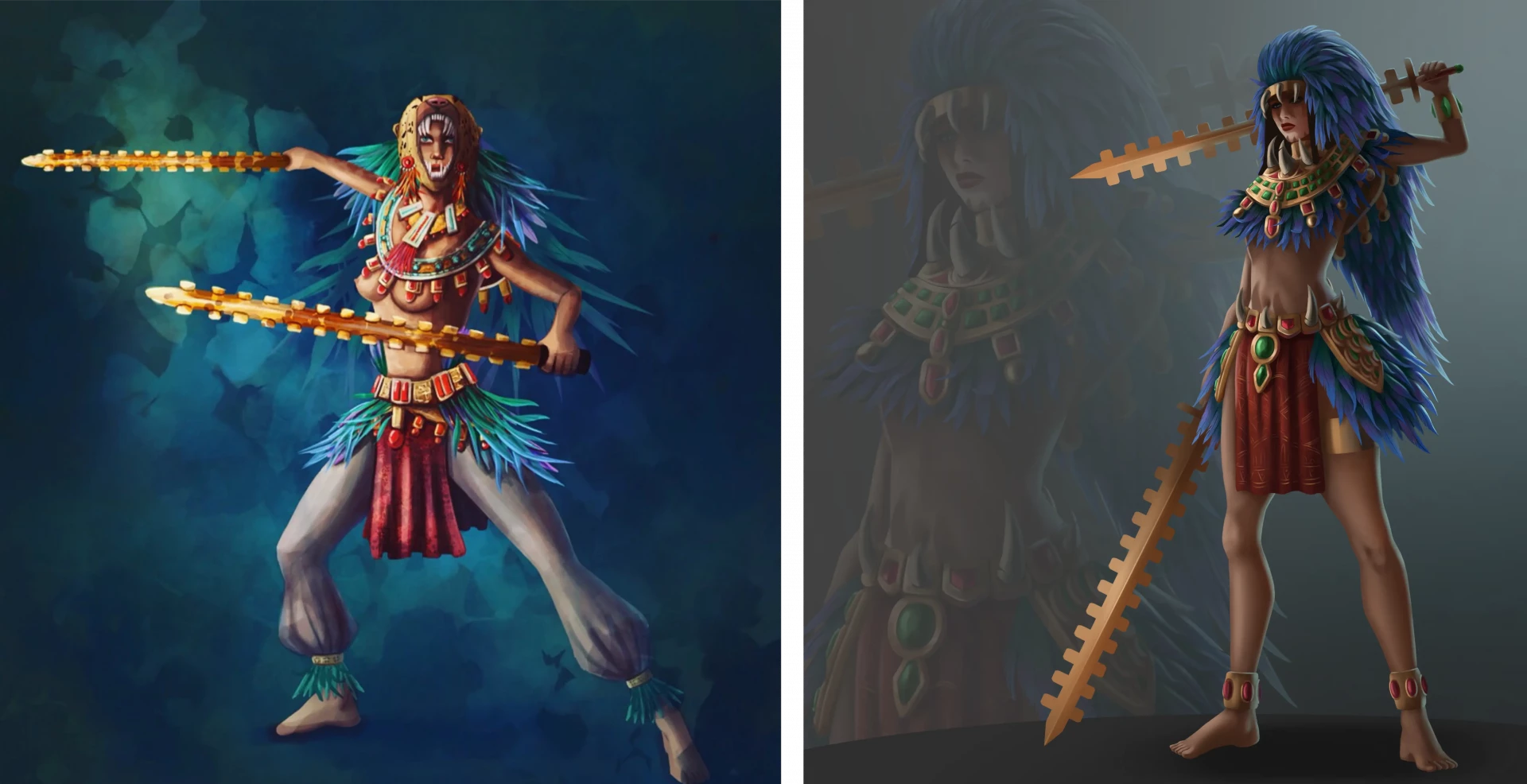
Thanks to the feedback you receive by showing your work to others, it becomes much easier to progress quickly. Without necessarily increasing your technical skill level, you can already achieve much more harmonious results. This is the case with the drawing below, which was greatly improved simply through feedback and a few adjustments.
Self-reflection
The real impediment to progress isn't a lack of talent, but rather the overly critical way we view ourselves. Many give up because they compare their drawings to those of more advanced artists. Yet, every sketch, even an awkward one, is a necessary step.
Artists don't publish their failed attempts, their crossed-out pages, or their mistakes in proportions... but they have dozens of them. Learning to draw also means learning to accept imperfection and to enjoy the journey you've been on.
On completing the drawing on the left, it may seem very successful at that moment. However, with practice, we improve, we refine our vision, and we achieve drawings more like the one on the right. That's when we realize the distance we've covered and the level we have reached. This does not mean that the drawing on the left was a failure at the time it was made; it simply matched our skill level at that time, and that's precisely what makes progress so rewarding.

More than talent, it is curiosity and the joy of creating that nourish an artist.
Drawing requires consistency, yes, but above all, passion. What matters is not being the best, it's about wanting to understand, to experiment, to express something. Talent, if it exists, is just the starting point. What matters is the path you build afterwards.
So, do you need talent to draw well?
In conclusion, no, you don't need talent to draw. You need patience, curiosity, and above all the courage to continue, even when you doubt yourself. Each stroke, each sketch, each mistake is part of the process. And the most beautiful part of this journey is that we never stop learning.
Editor and illustrator: Chloé Pouteau
Discussion
awesome! thank you
Great article, and encouraging
Thank you very much, that's encouraging!
No but you have to have passion and patience
Very good point BBARTSCREATIONS83.
You need to have the desire to draw and patience
I don't think one draws or paints without passion, but certainly with patience to progress.
Very good point, Reinette 💪🏻