
Guide to Intuitive Art
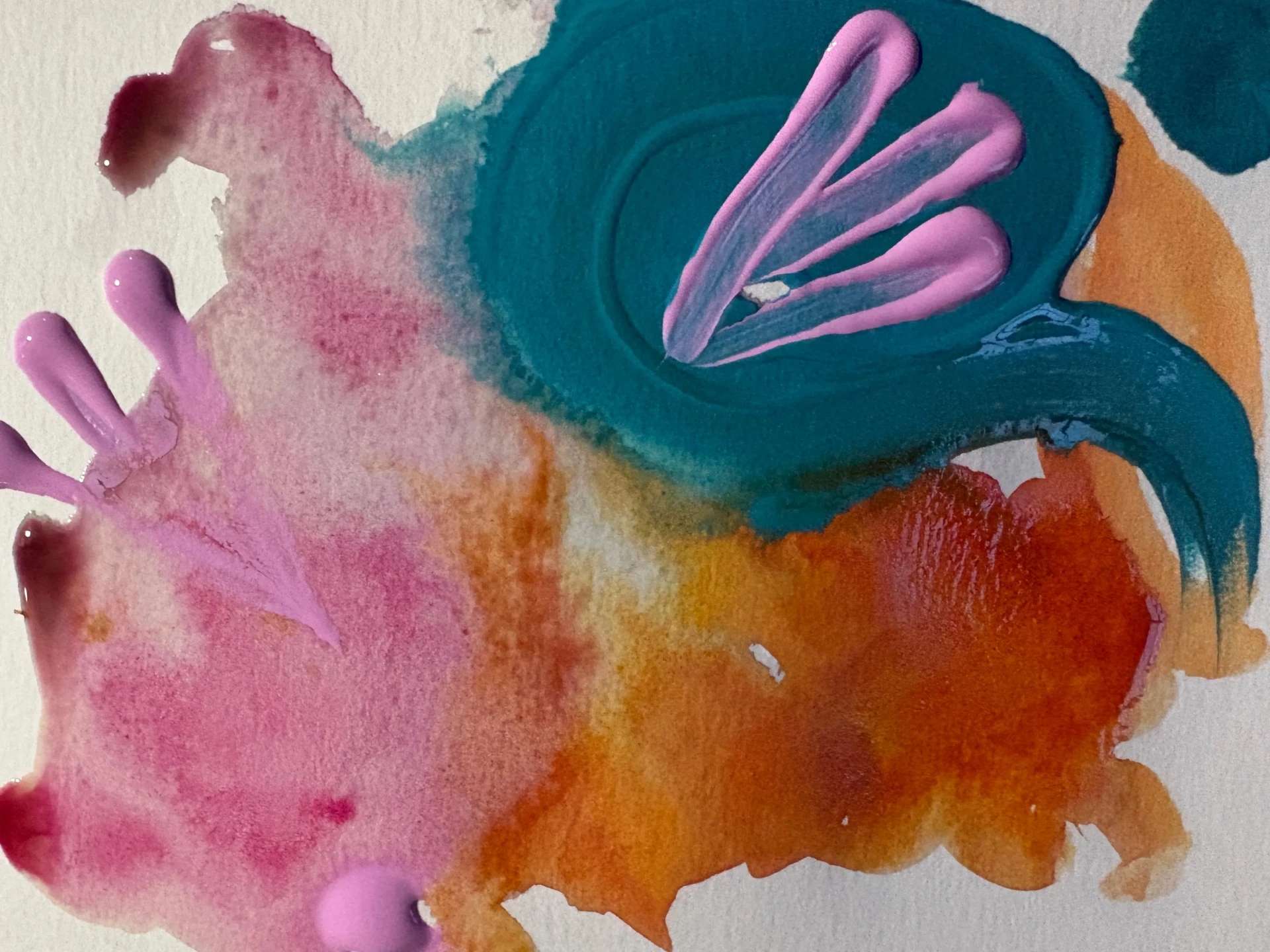
Art schools and painting classes devote most of their teaching to methodical painting, color theory, composition rules, and other principles necessary for good formal representation. However, it is equally important to leave room for free exploration, where creativity flows from feelings to the brush.
Hello and welcome to this new article devoted to painting techniques and methods! Today, we're going to explore what intuitive painting is, an approach that does not seek representation, but rather pure interaction with the material.
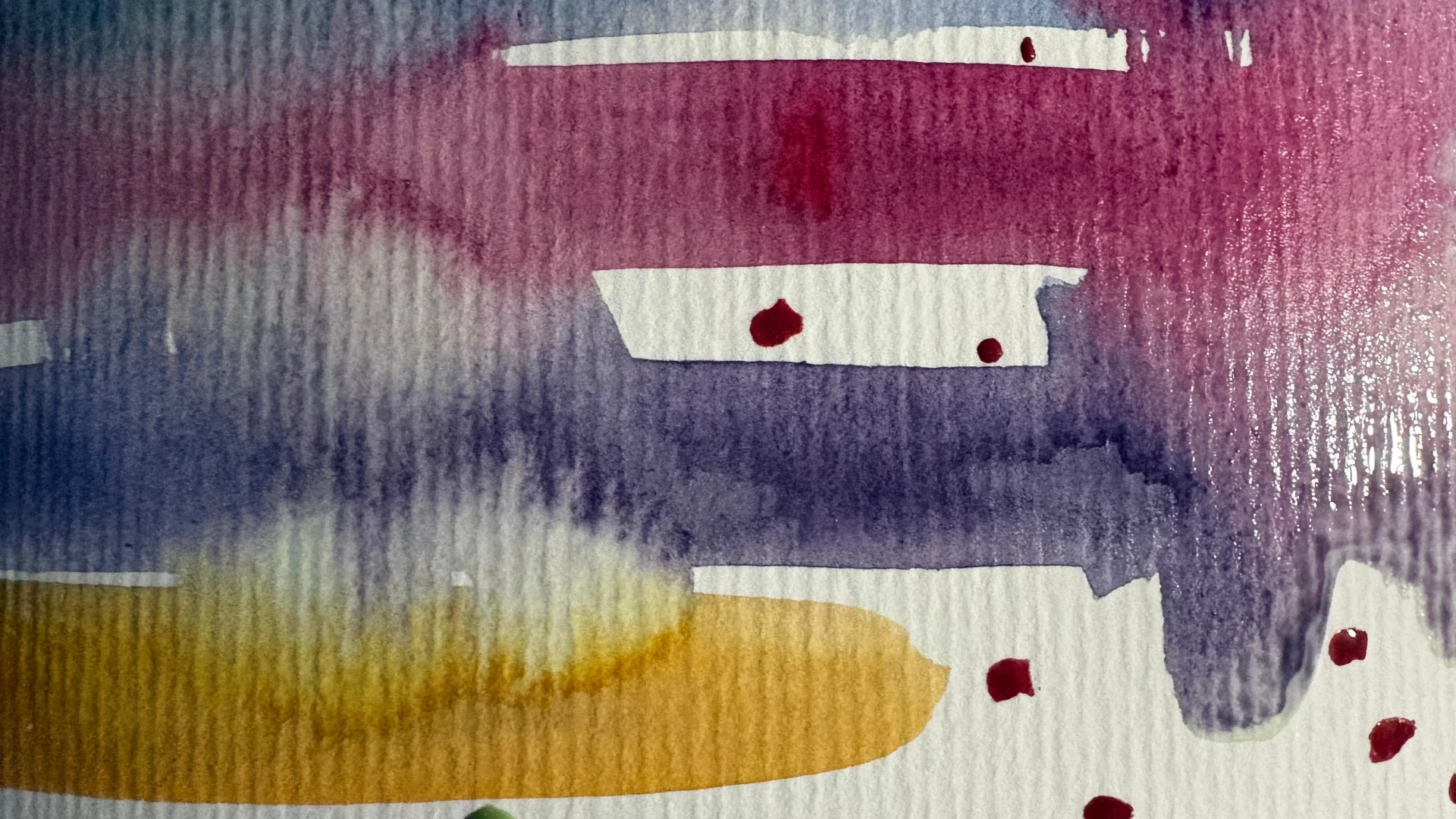
Objectives and principles of intuitive painting
Before getting started, it is important not to confuse abstract art, in its many forms, with intuitive painting. It might be more accurate to say that intuitive painting is a form of abstraction more related to art training than to art for display, similar to urban sketching or anatomy studies, which are essentially learning exercises.
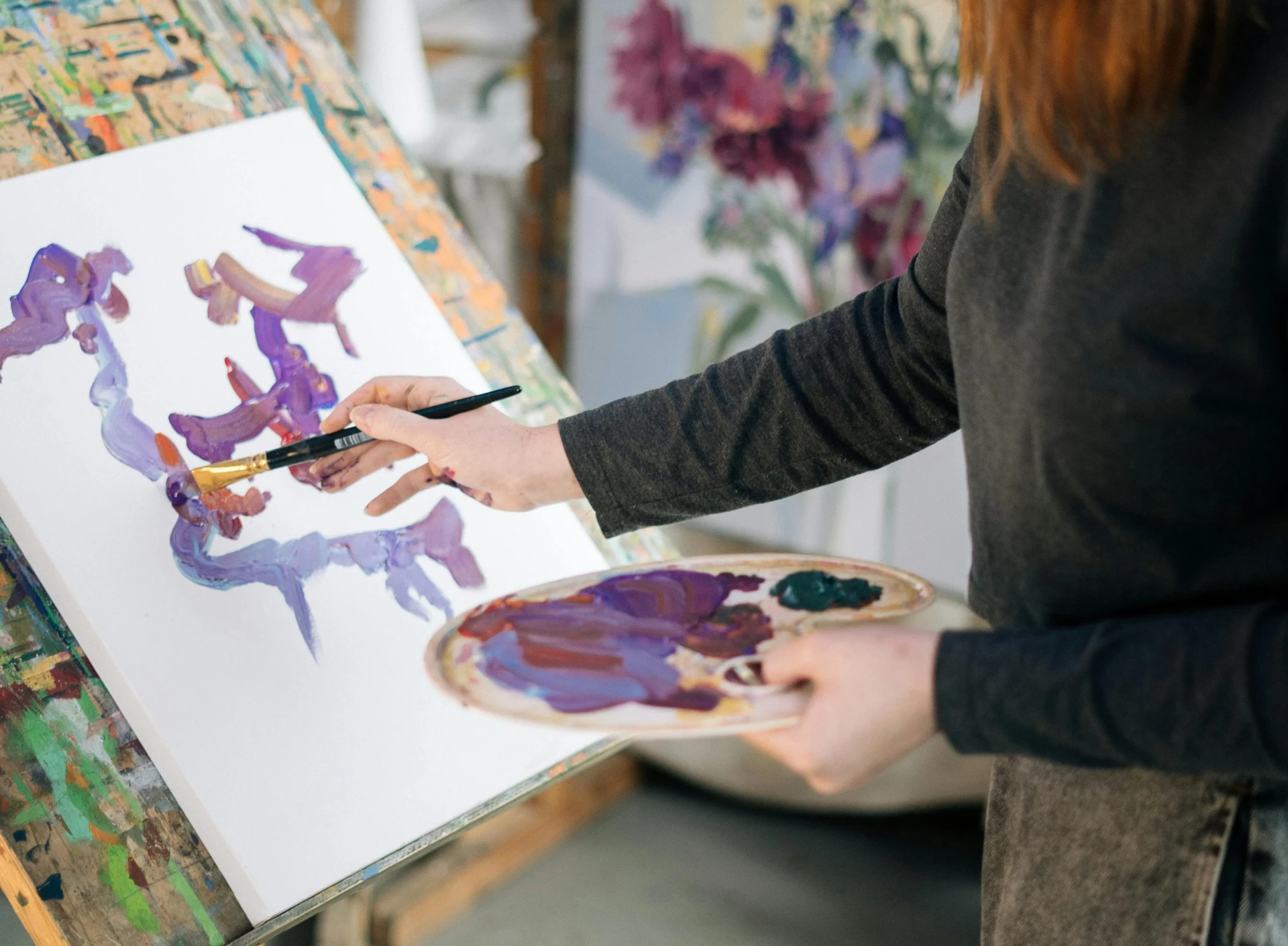
The idea is that the work progresses on its own and we are just there to shape it. It's an exercise where we make immediate decisions by observing what happens on the canvas. Specifically, this means:
- Creating without having a specific goal in mind.
- Painting following what the work suggests to us.
- Letting yourself be led by the process.
- Letting the unconscious express itself.
Why practice intuitive painting?
Since this is a learning technique, regular practice helps to strengthen certain essential skills in painting. It's also an excellent exercise for exploring a new material. Here's what this practice helps to work on:
- Real-time error management: once the line is drawn, you observe and adjust if necessary, without compromising the final result.
- Mastery of color: as you paint, you progress by directly applying theory into practice.
- Accepting the process: by letting the work become what it wants to be, you often achieve results that exceed your expectations.
- Strengthening movement: by setting aside the rules to focus on expression, your painting action naturally develops.
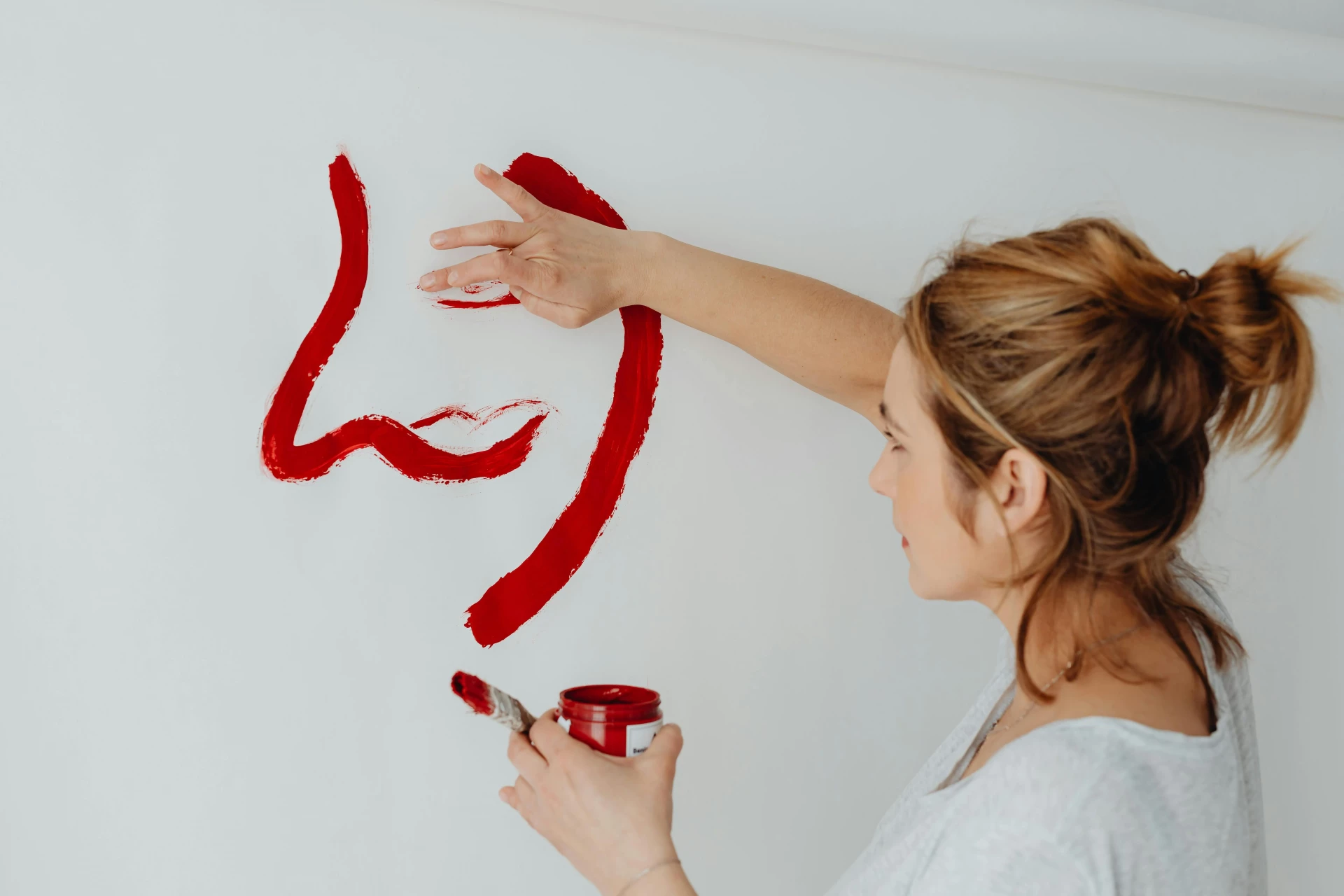
What material should you choose based on your objectives?
Each material has its own characteristics and its own way of being worked. Therefore, the choice of paint type depends directly on what you want to experiment with:
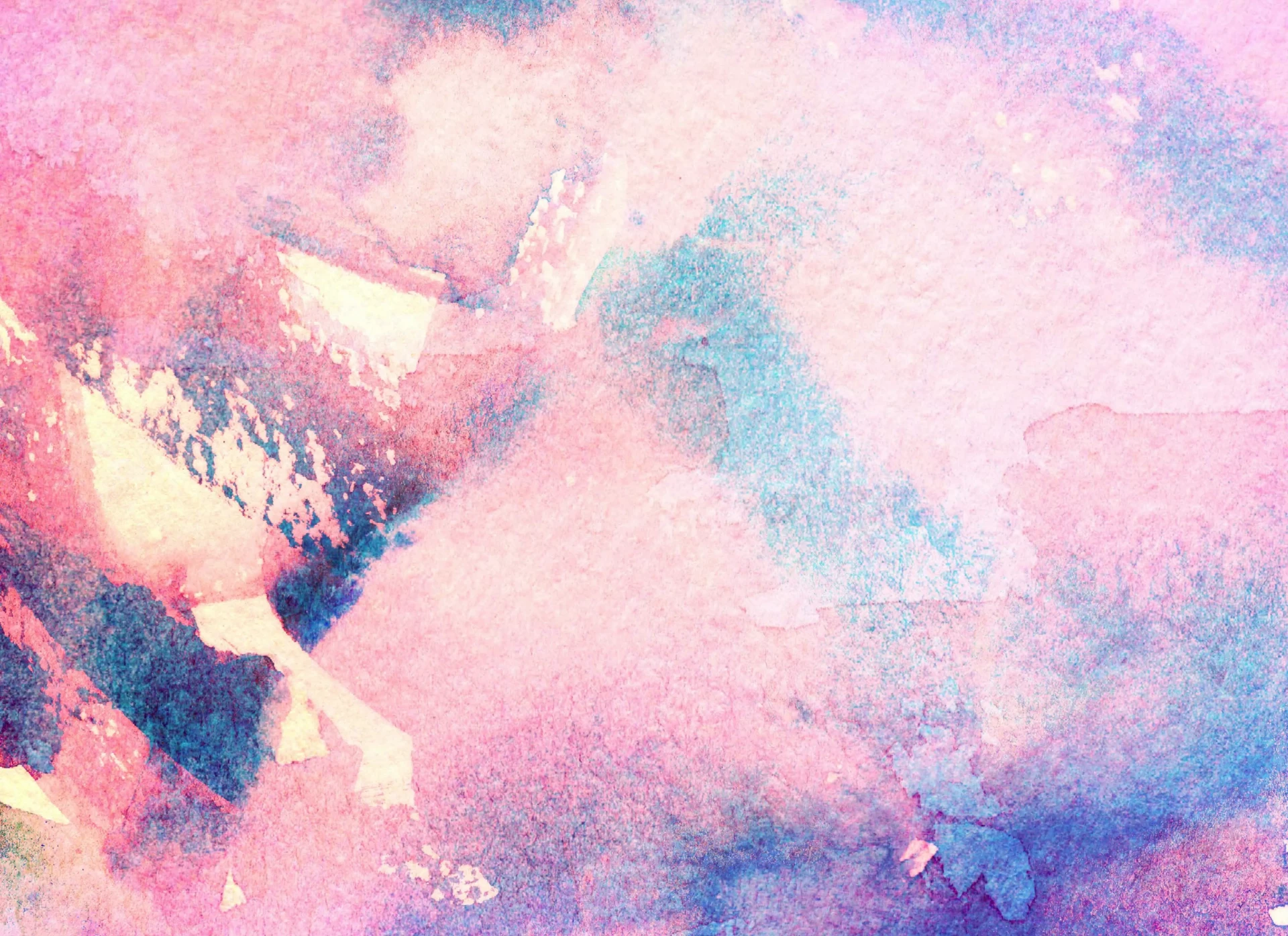
Watercolor
This technique is extremely dynamic and literally fluid. Allowing yourself to be led by the lines and vibrant colors is therefore an excellent approach if you want to learn to follow the movement, like water.
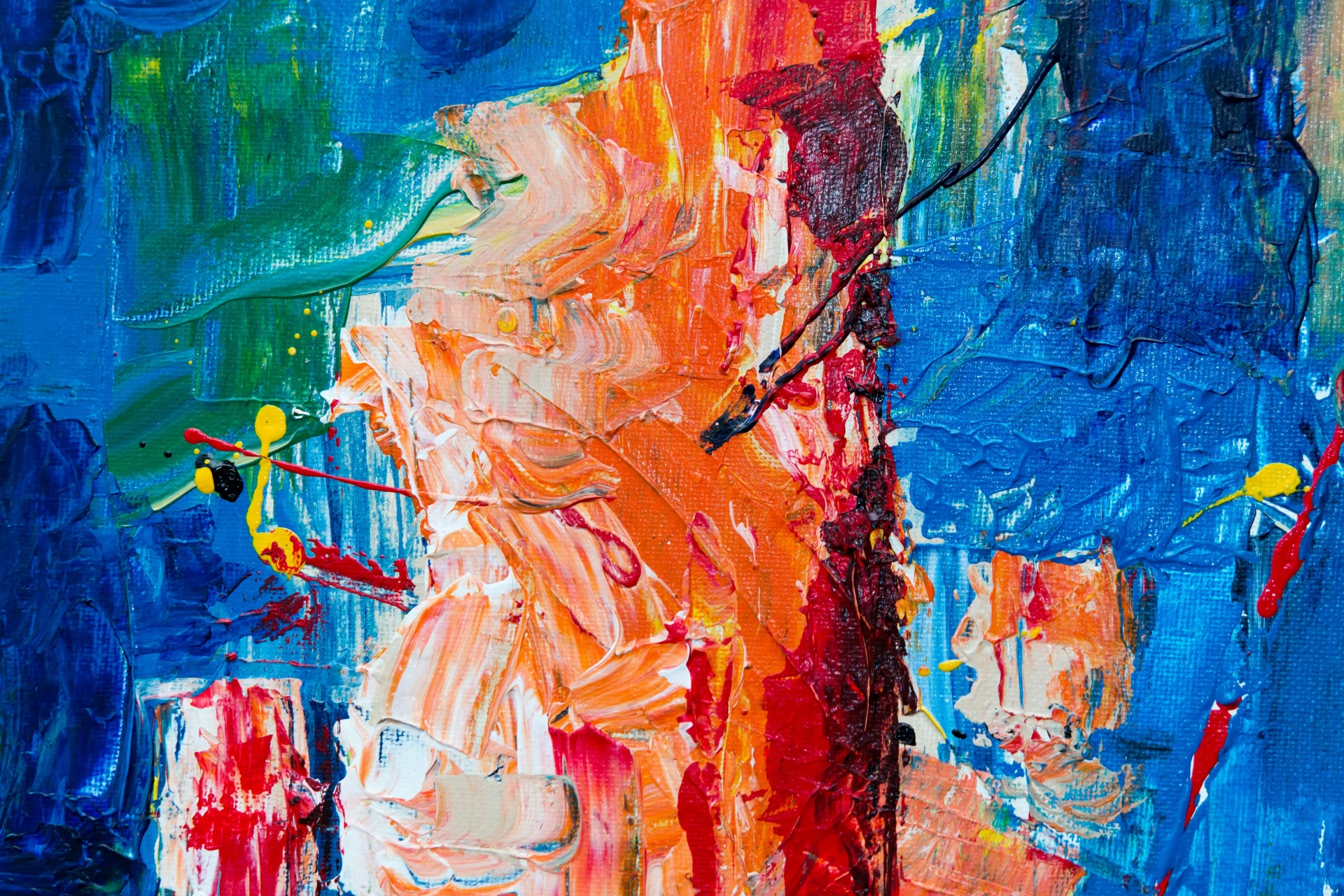
Acrylic
This type of painting is distinguished by its strong expressiveness, versatility, and intense textures. Its quick drying time and opacity allow for easy layering, almost without leaving a trace of previous layers. Therefore, it is ideal for learning to make decisions and change directions.
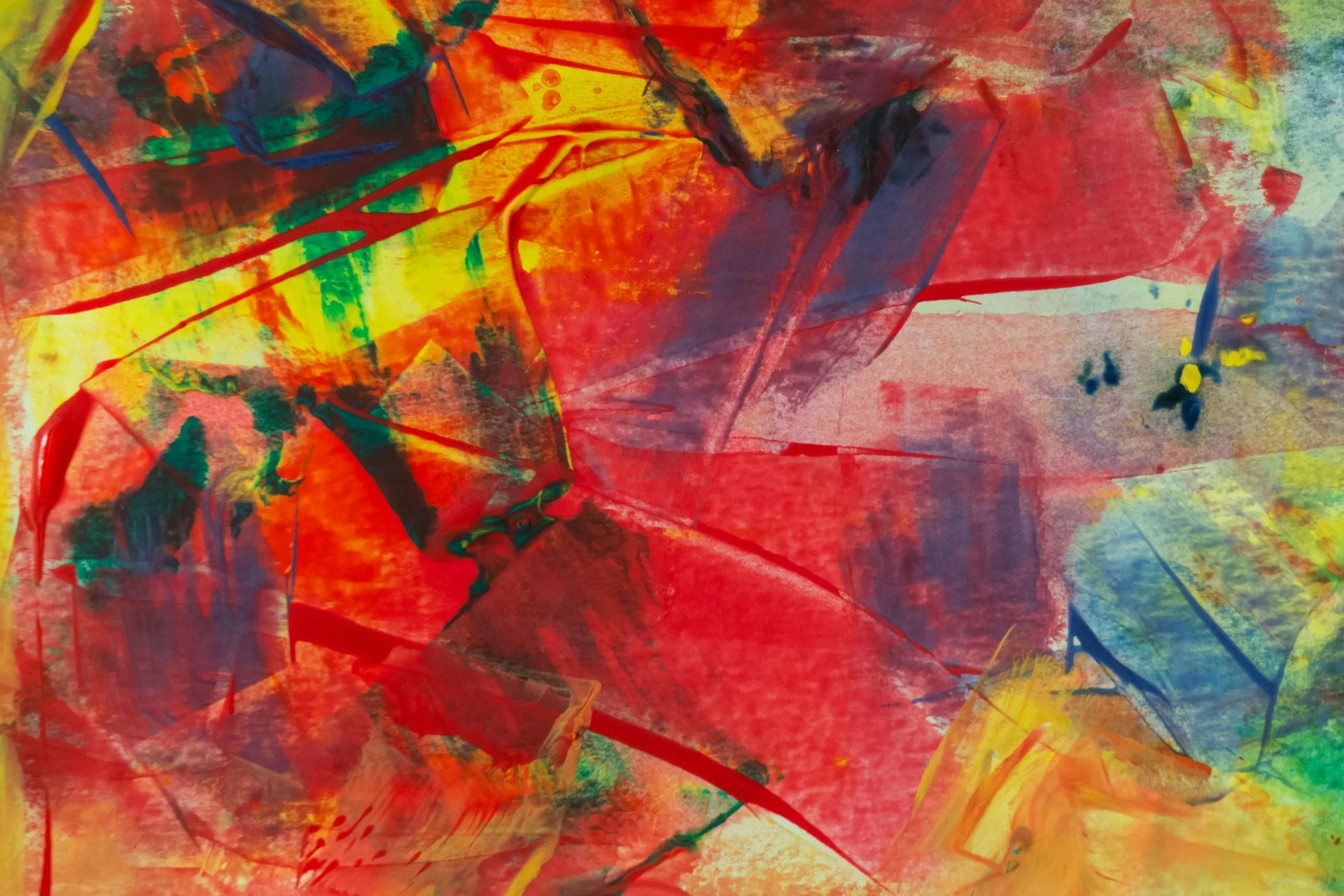
Gouache
Its texture and technique are similar to those of watercolor, but with a matte and opaque effect. Its feeling of softness and solidity encourages you to think of painting in an almost sculptural way. Practicing this technique helps with learning to paint by defining shapes and forms.
Exercises for intuitive painting
To guide your practice, here are some activities that can help you progress:
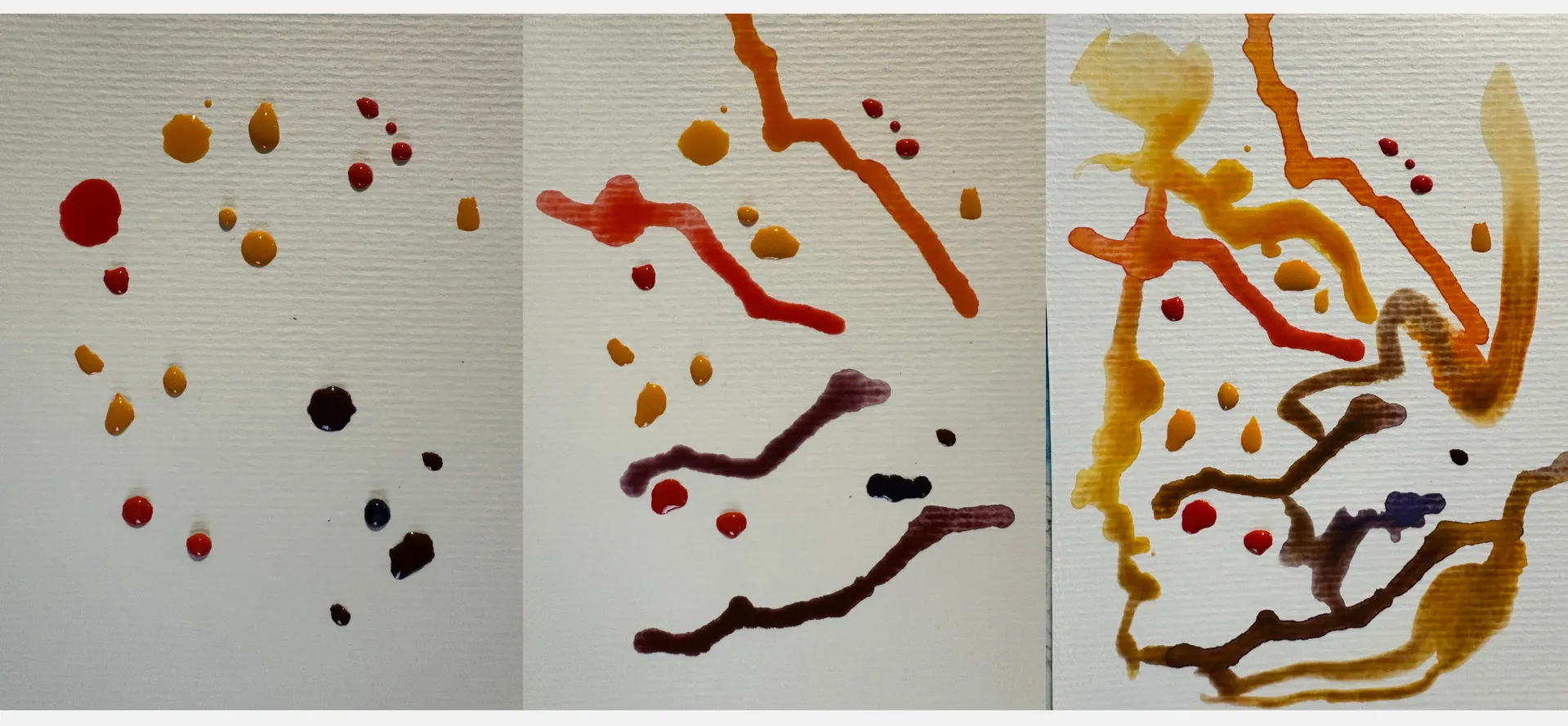
Let the paint guide the movement. Pour a few drops of paint on your surface, tilt it so the color moves freely, then begin your exploration based on what you observe.
Paint with the non-dominant hand. If you feel like trying something different, use your non-dominant hand. Your strokes, even if they are less confident, will reveal other possibilities to you.
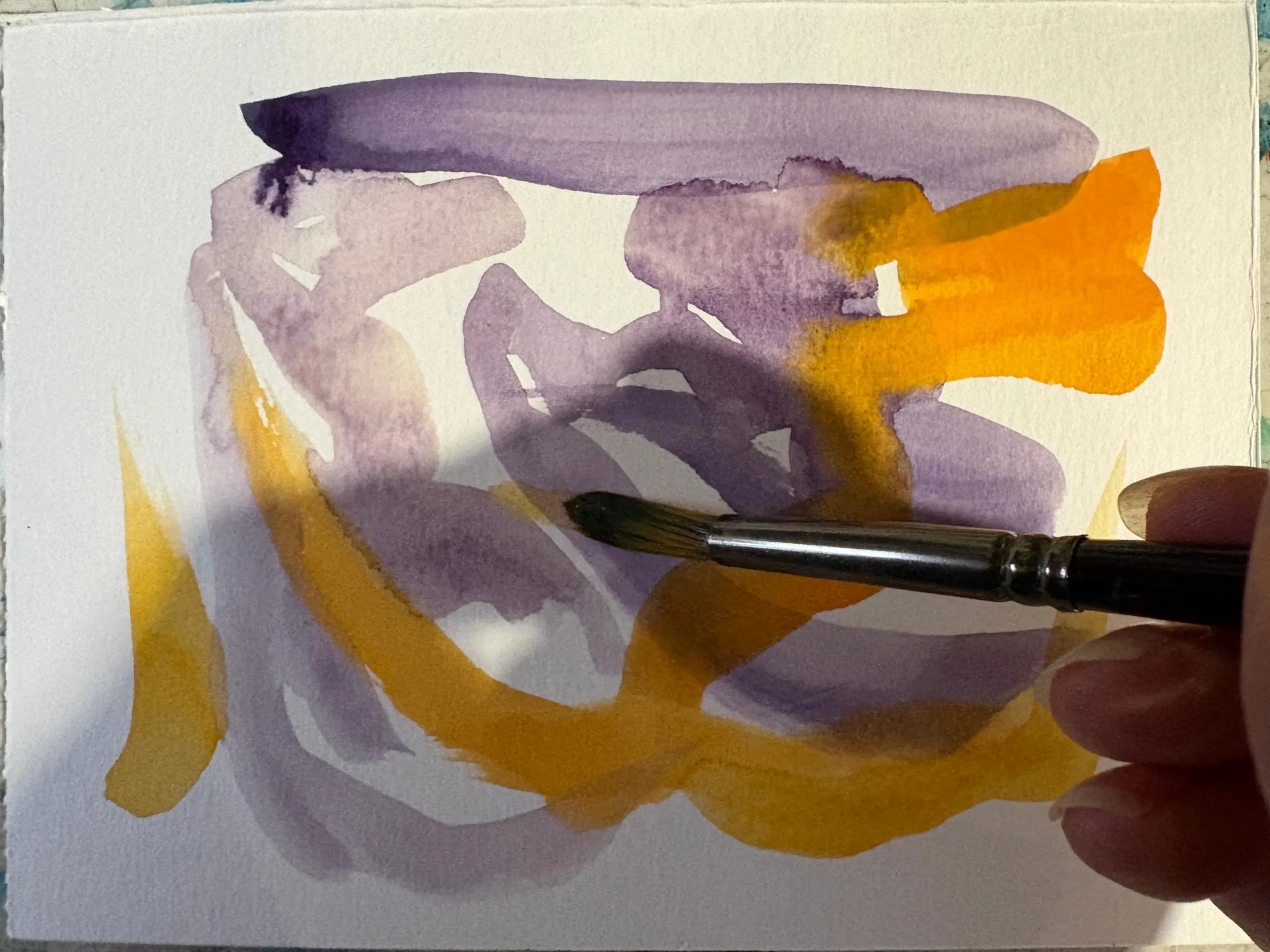
Paint with your eyes closed. It's an excellent way to feel the movement and density of the paint. Focus on the experience and let yourself be surprised by the outcome.
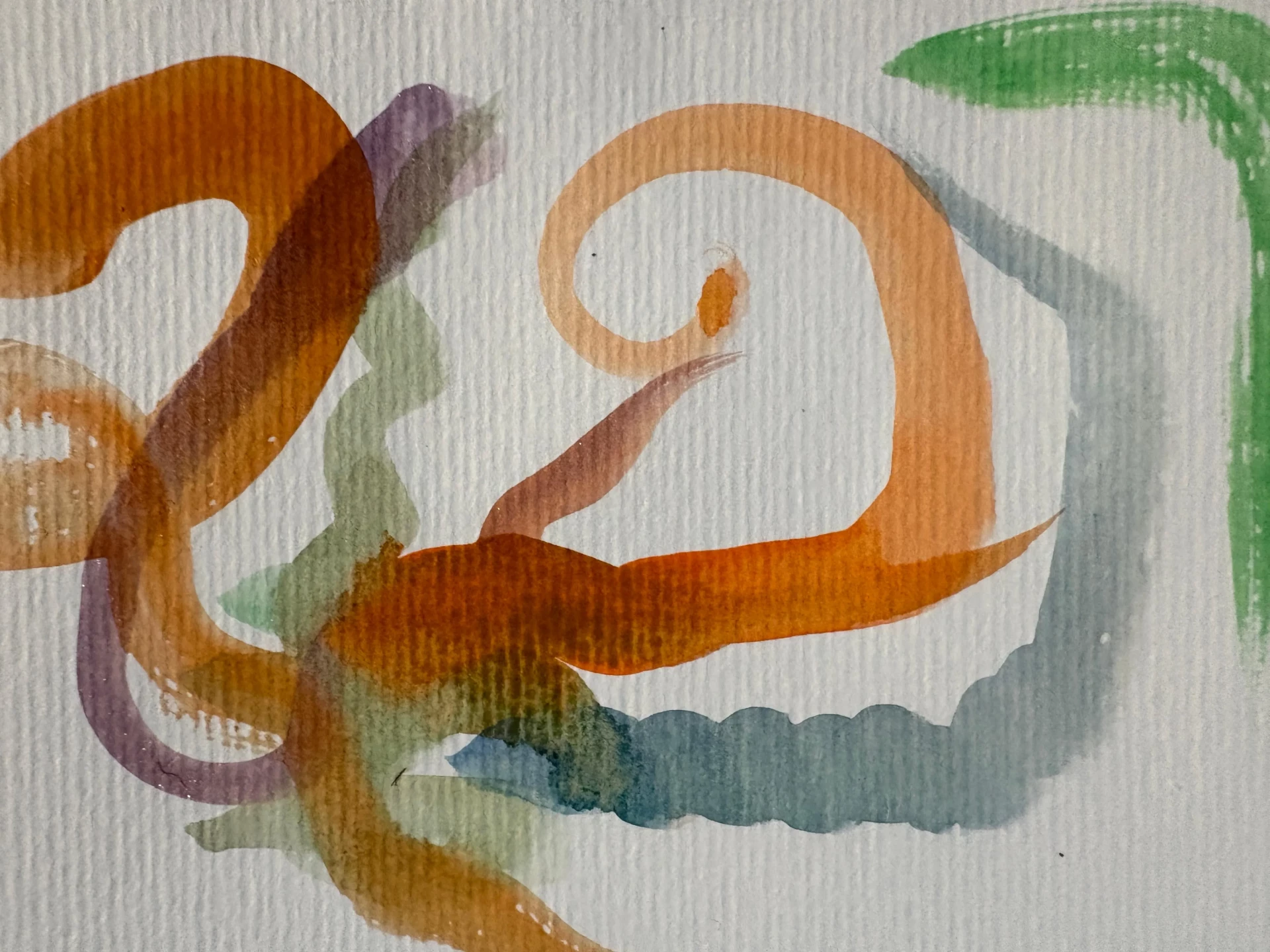
Follow the rhythm of music. Put on a song you like and let the rhythm guide your brush. This will create compositions full of movement and energy.
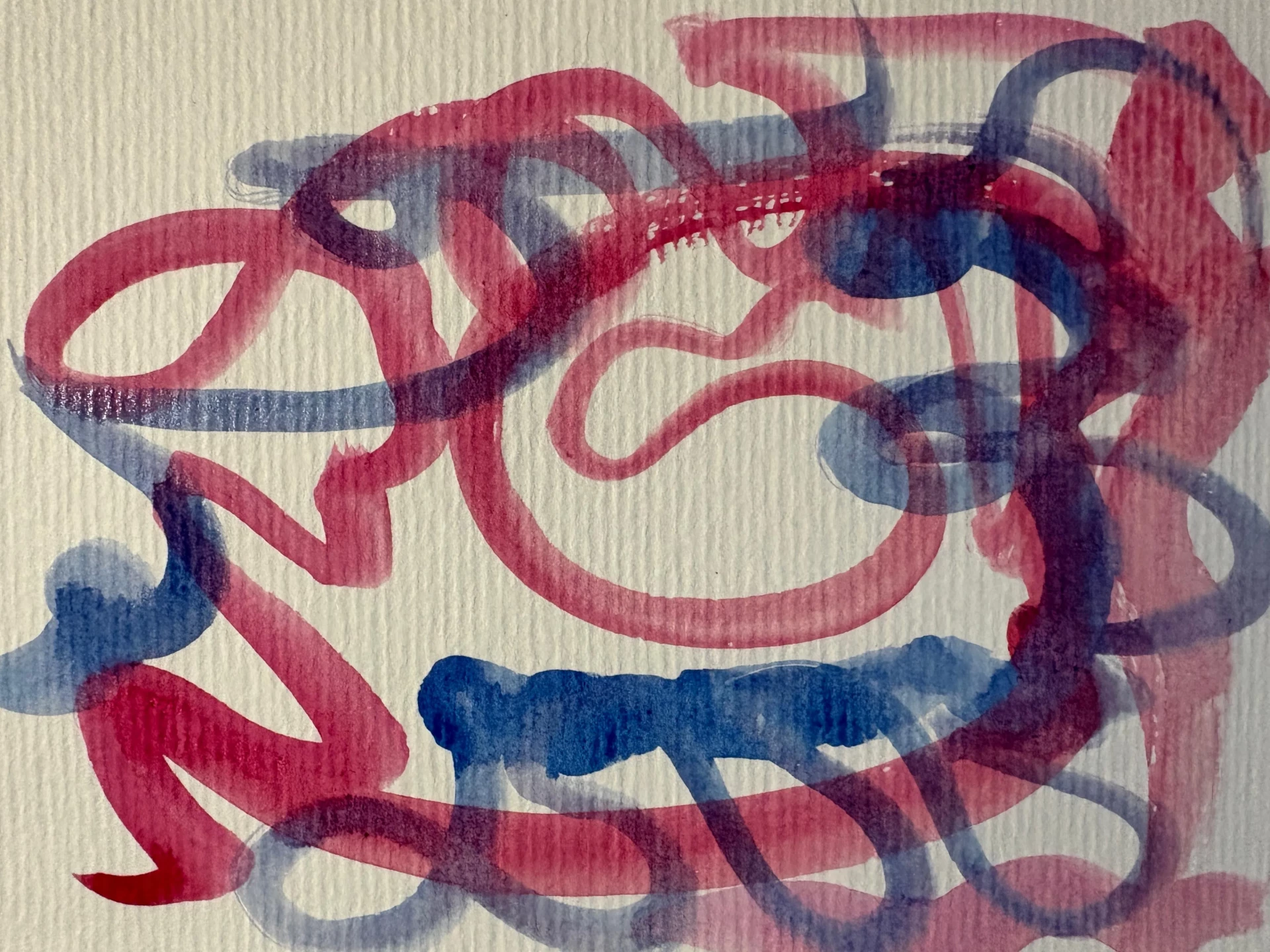
Explore other tools. Go beyond the brush: try sponges, rags, or any other objects to apply the paint, and observe the textures they create.

That's it for today! Remember that art is not only about rigor and perfection. It is also important to give yourself moments of creative freedom and experimentation, as this will also help enrich your artwork.
Now that you are familiar with this approach, I encourage you to practice these exercises in order to progress your painting skills.
Discussion
Thank you very much for this article; it relieves the pressure of having to do everything perfectly!