
How to Paint With a Knife
In painting, the tools we choose greatly influence the result. A painting knife is a good example: often set aside in favor of the brush, it nevertheless offers some really interesting possibilities. In this article, we will explain what it is, how to use it, what techniques it can be used with, and how to look after it.
What is a painting knife?
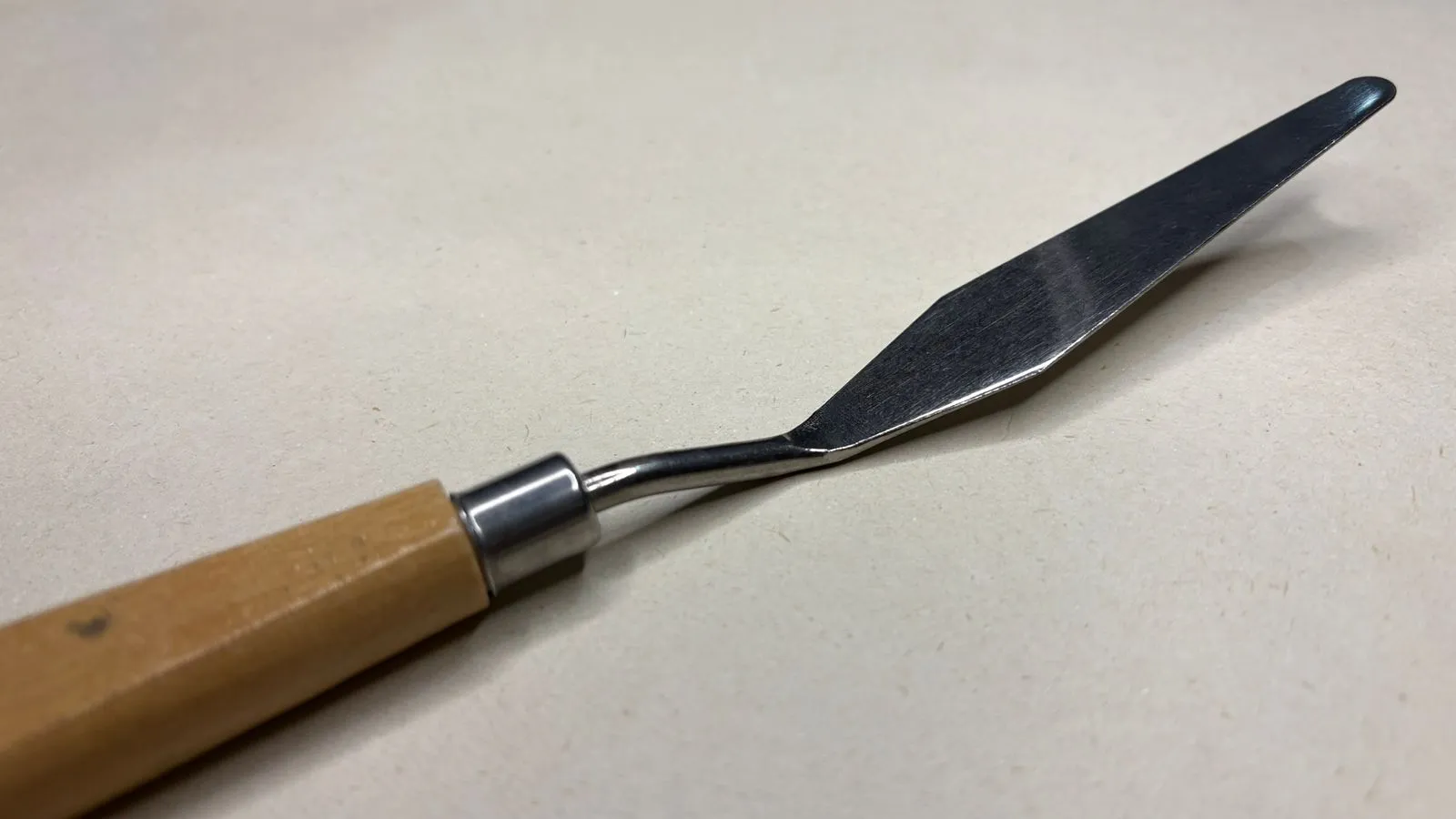
It is a simple tool in its design: a flat, flexible metal blade attached to a wooden handle. What distinguishes it is the way it applies the material with firmness and dynamism, allowing for the creation of textures and volumetric effects that are impossible to achieve with a brush.
Types of knives
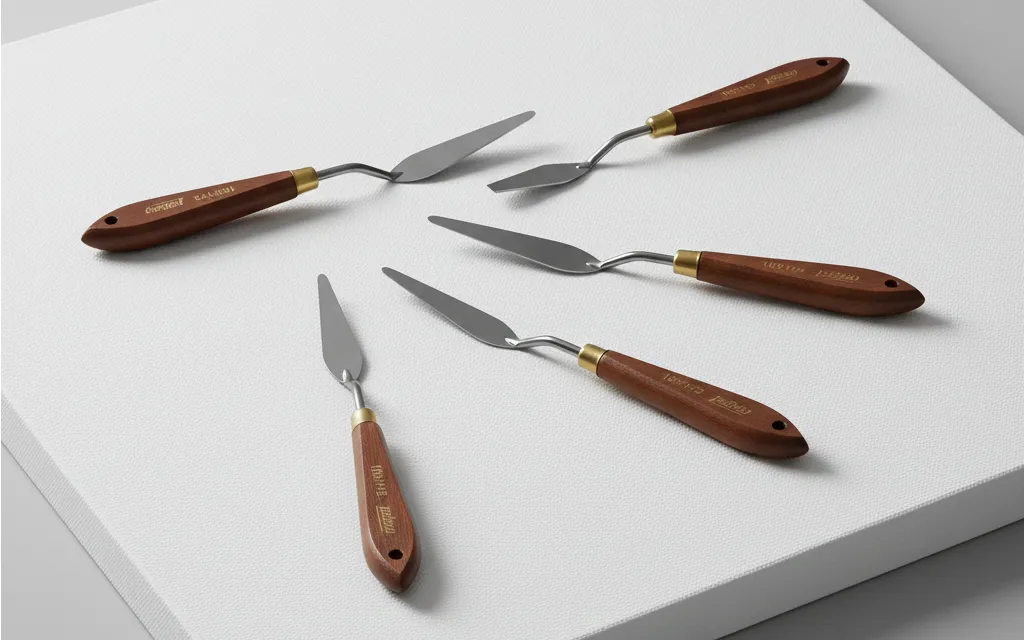
In painting, there are two types of tools. The first is the palette knife, used for mixing colors and cleaning your palette. The second is the painting knife, whose shape enables you to apply paint neatly without directly touching the canvas. Here are some common shapes in this category:
- Diamond-shaped knife: its short and pointed shape makes it particularly versatile.
- Elongated knife: its shape makes it easy to create long, straight lines.
- Rectangular knife: thanks to its larger surface area, it allows you to cover large areas with paint.
- Rounded knife: it enables you to apply paint without leaving edge marks, which makes it easier to create gradients.
Knife painting techniques
Here are some of the most commonly used techniques, but the best way is still to explore the tool yourself in order to discover everything it can offer you:
Impasto
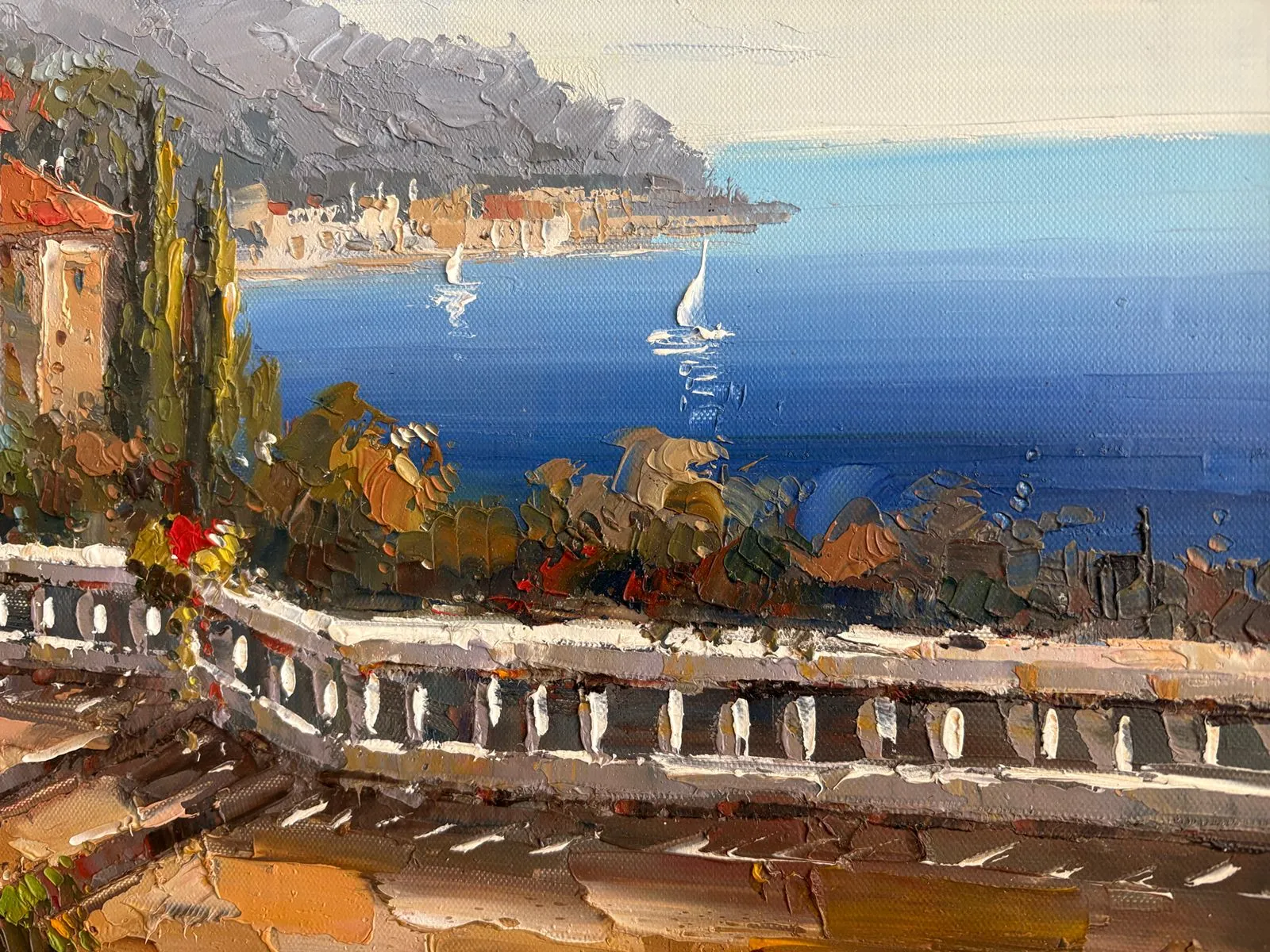
A very common technique in oil painting, this involves applying thick layers of paint to create relief that gives the work a lot of presence and texture.
Scumbling
Use the flat part of the knife to spread the paint with small, short strokes. This brings out the texture of the surface in a very expressive way.
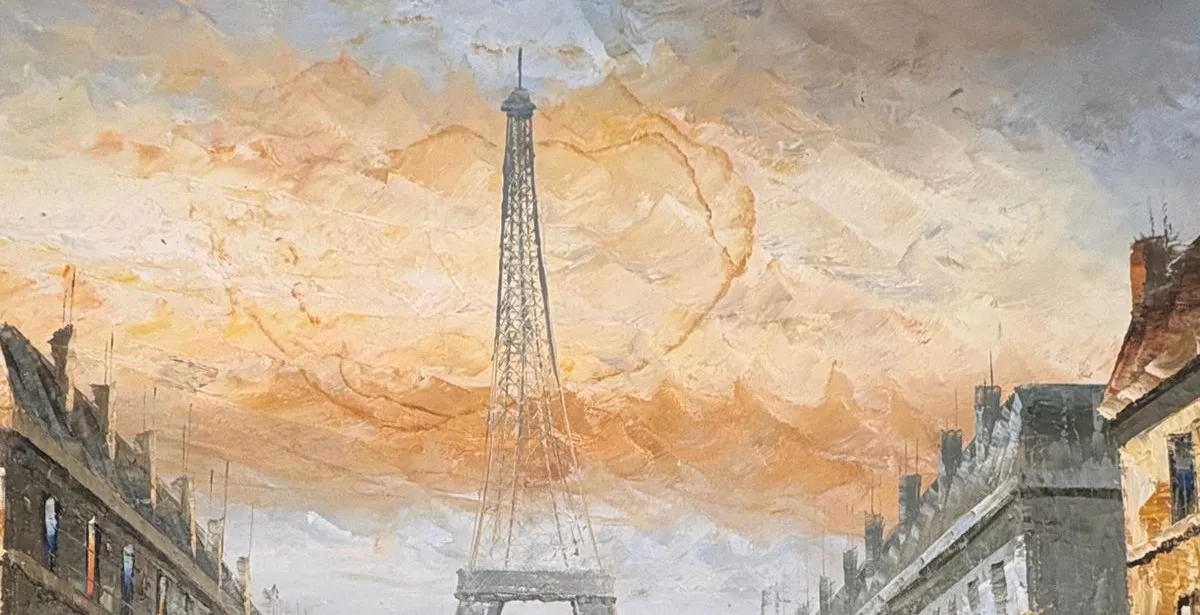
Sgraffito
The knife is a fine and durable tool, which enables it to be used to remove paint from the canvas. For this technique, we draw with the tip or edge of the knife, which creates lines, deep details, and reveals the underlying layers.
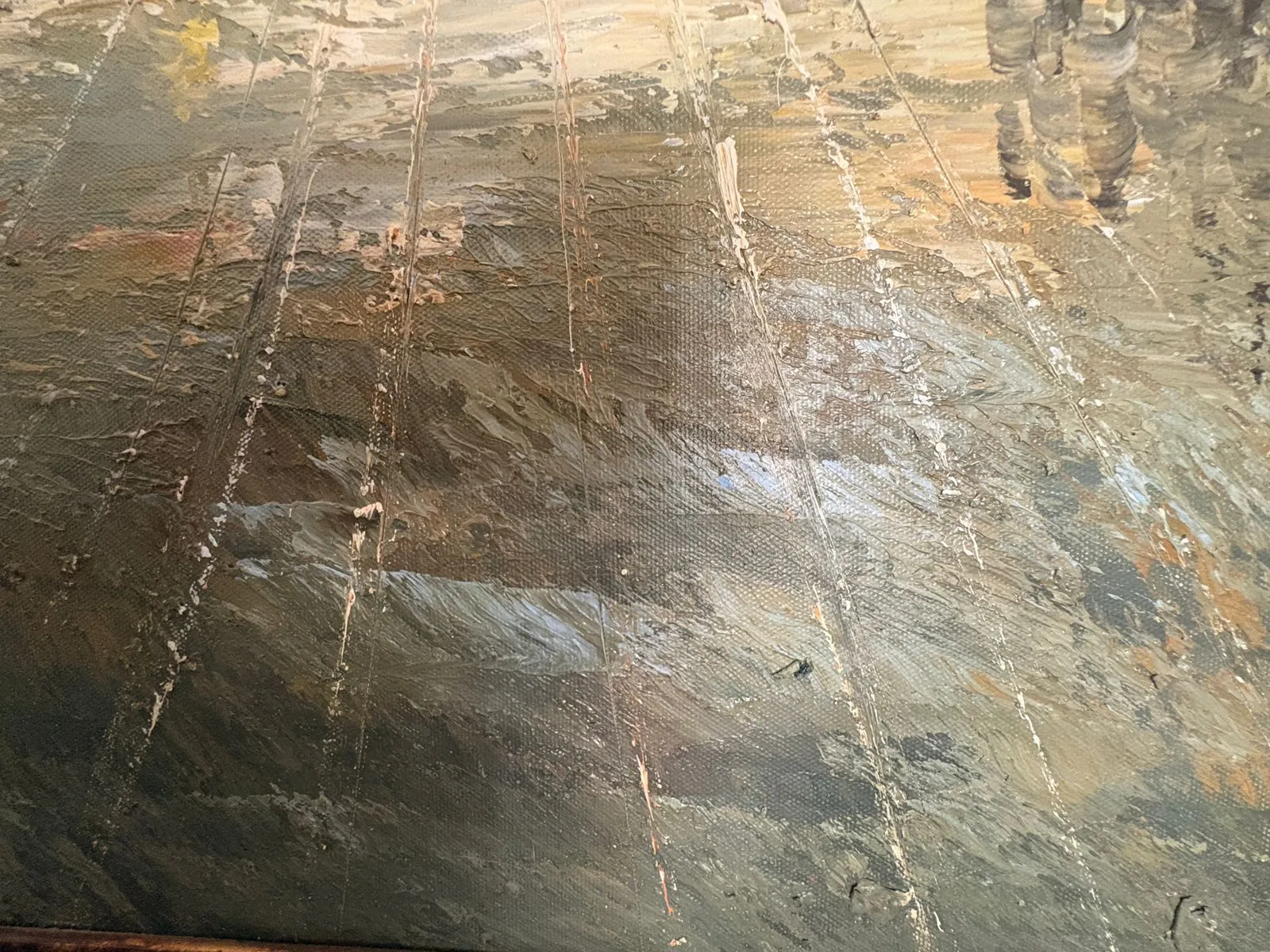
We can also use the knife as a kind of eraser. Similar to the sgraffito technique, it allows us to remove paint from the canvas in areas that we don't like, of course, as long as the paint is still fresh.
Even though its use is mainly associated with painting, it can also be very useful in sculpture. With the knife, we can shape the material by taking advantage of its different forms, but also smooth the surfaces with precision.
Exercises to learn how to use it
There is nothing better than practice for mastering this tool. Prepare a sturdy surface and some paints; oil paint is ideal, but acrylic or gouache also work very well.
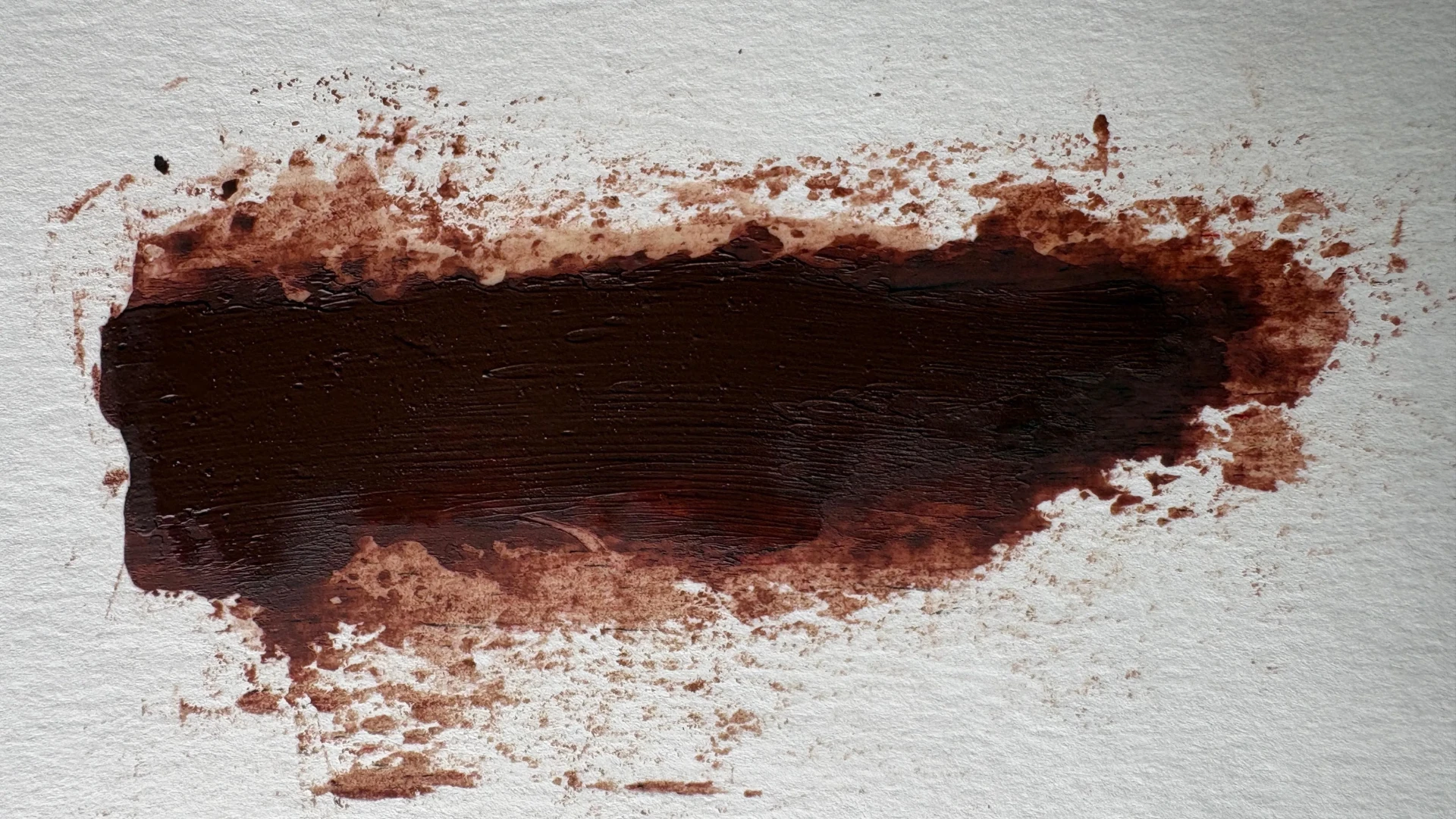
Drag and spread out the paint
Spread a little paint with the knife, aiming for a smooth and uniform surface.
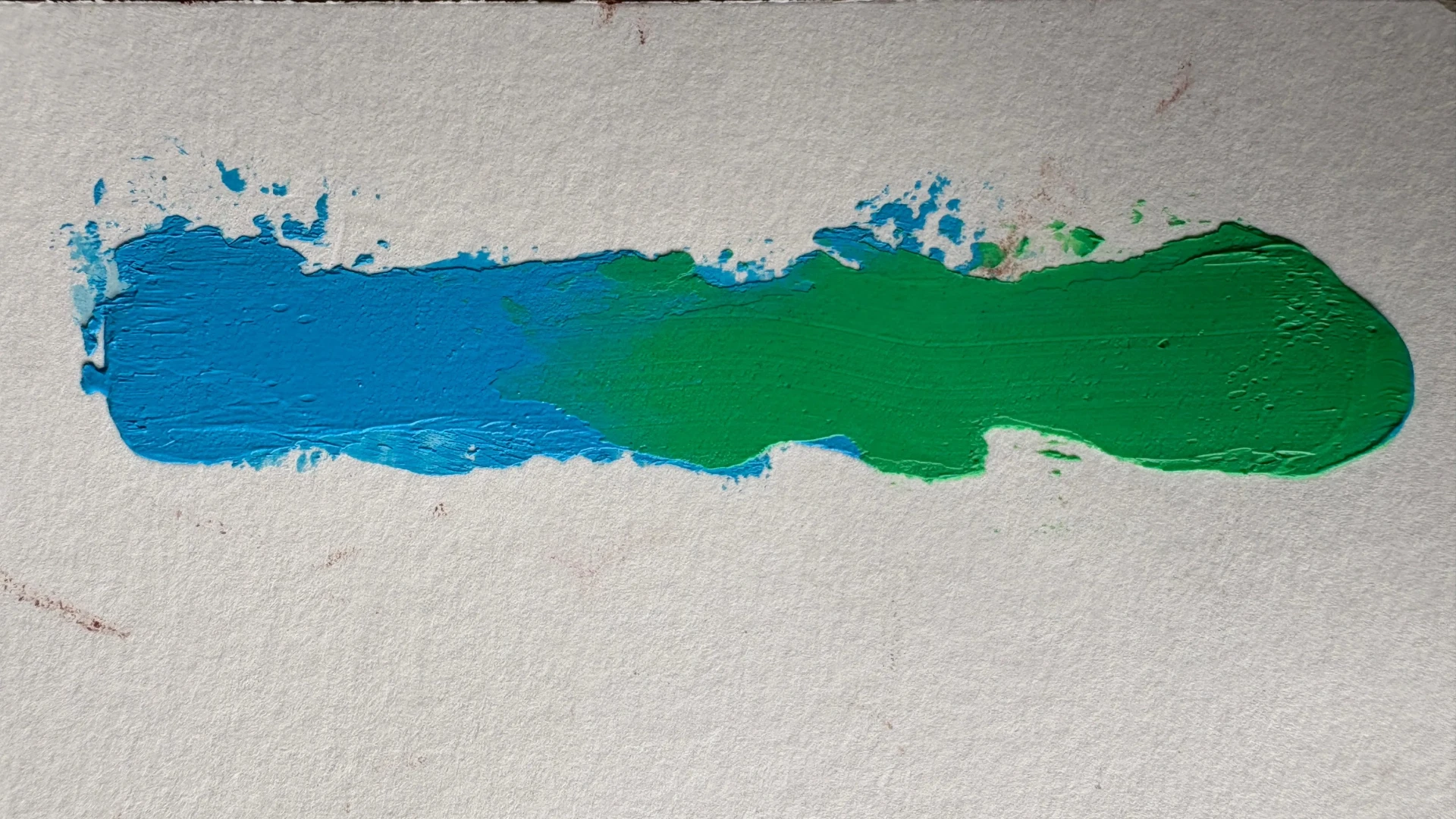
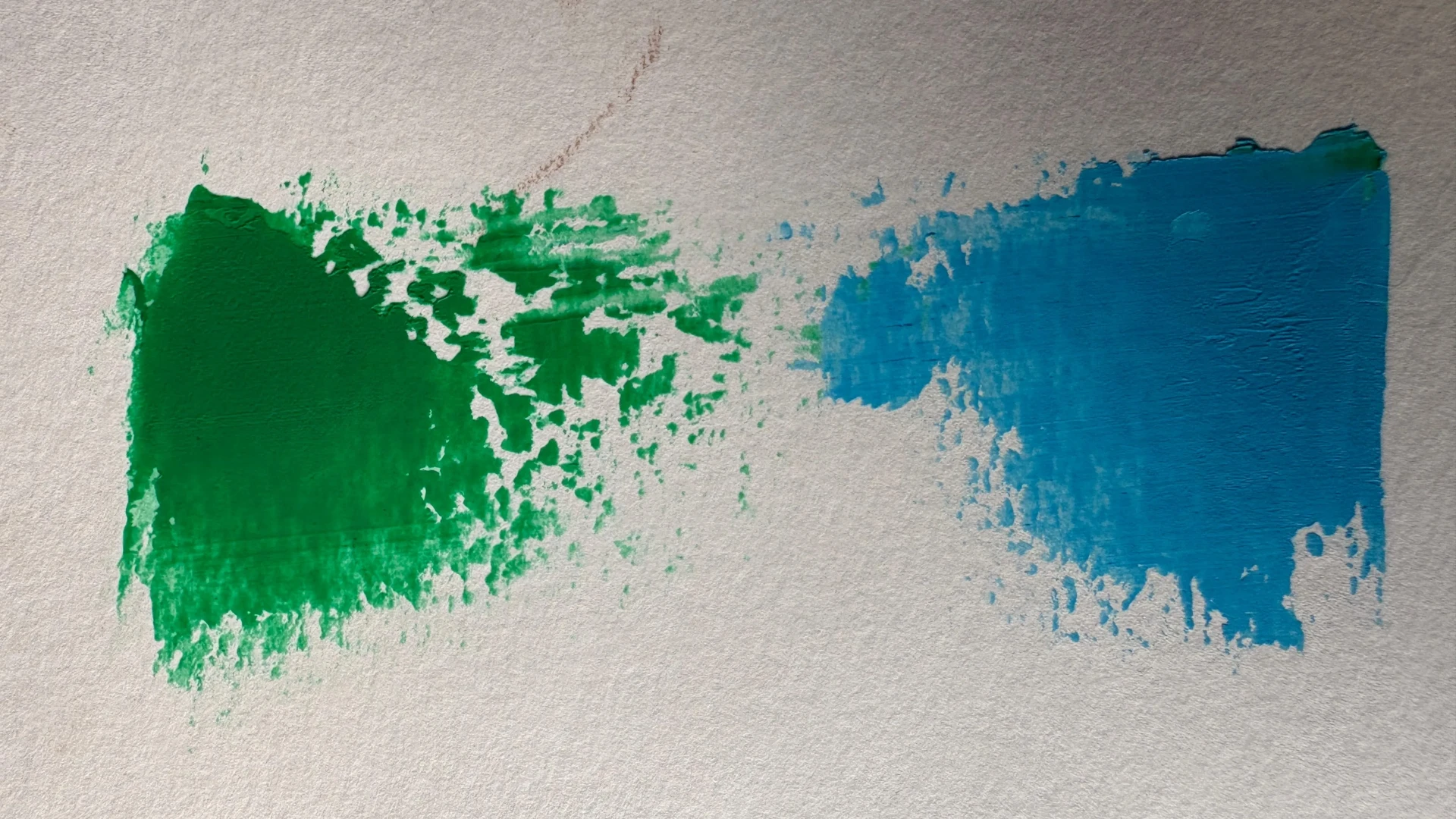
To explore further, place two colors on opposite sides and create a transition by playing with the movements.
Earthy texture
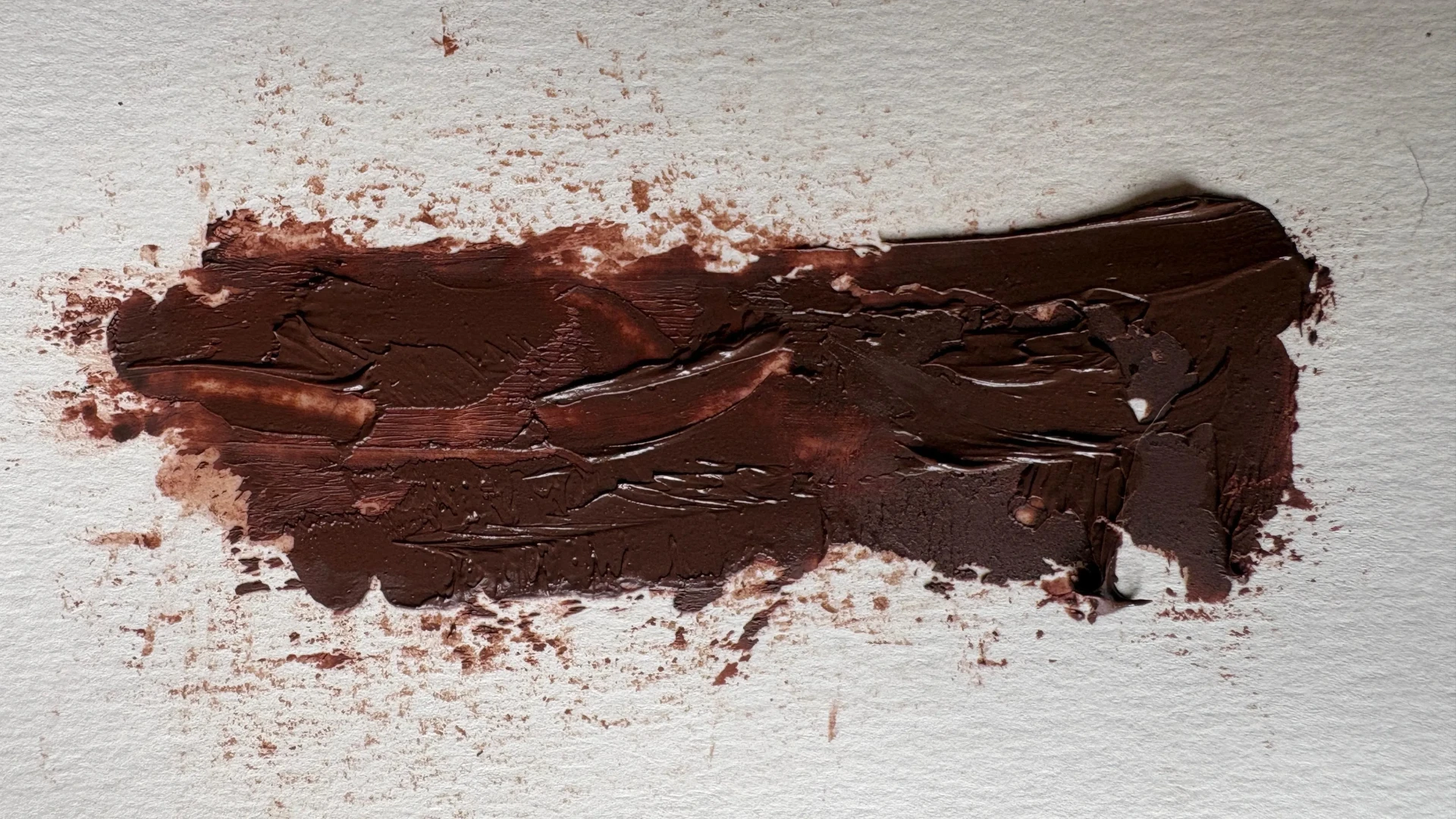
Lightly load the edge of the knife and apply the paint in a long, vertical stroke, spreading the material as much as possible with a single movement. Repeat the exercise several times to get used to the tool.
Layers upon layers
First, apply a smooth even layer. Then, add large strokes with the flat side, making sure they don’t blend into the layer below. The texture of the knife’s edge will naturally create volume and substance.
Field of flowers
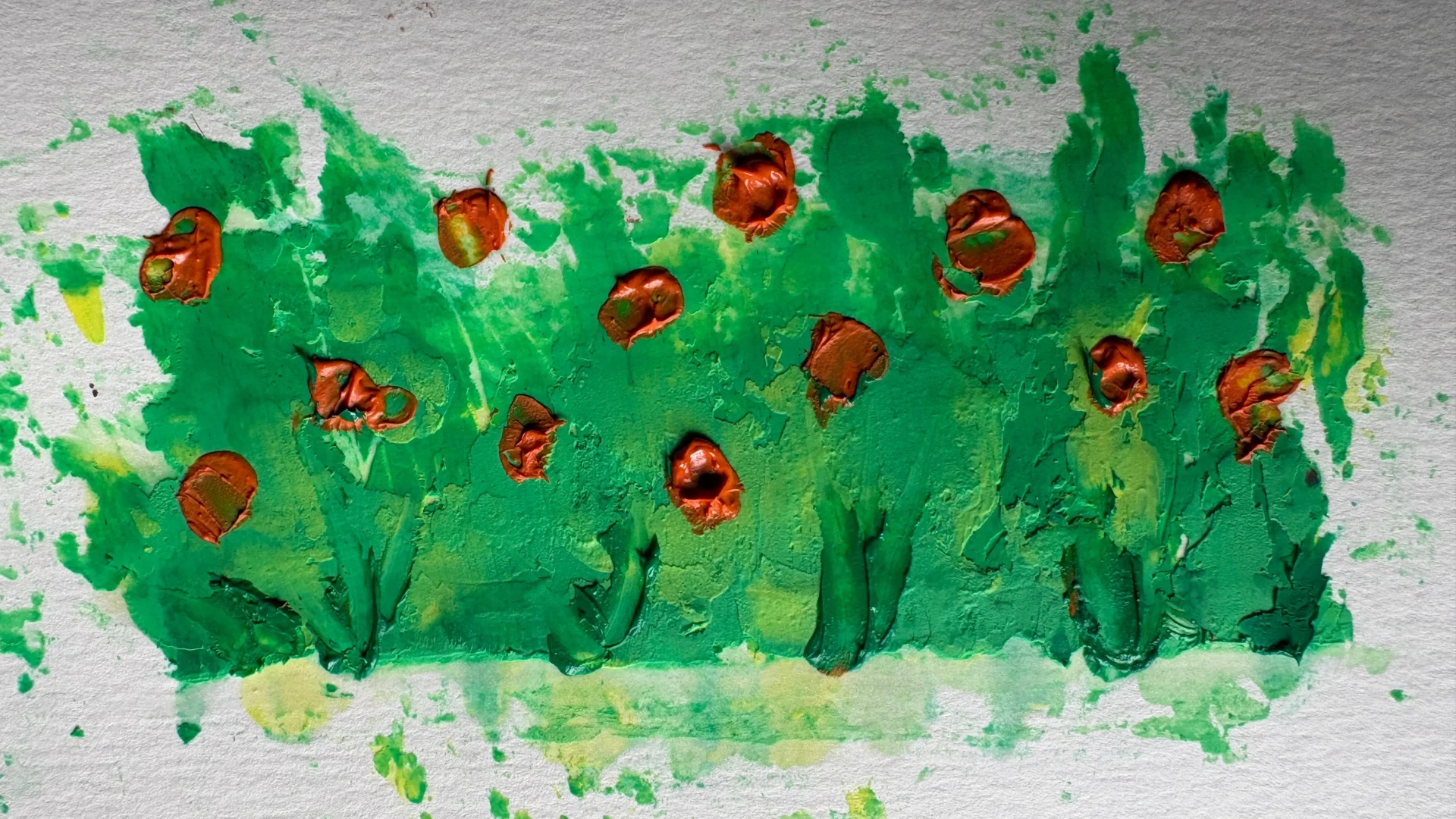
Start with a base of green tones to simulate a meadow. Using the tip of the knife, apply small amounts of paint to create flowers of various sizes and shapes. This is an excellent exercise for learning how to accurately control the amount of material used.
How to properly look after your painting knife
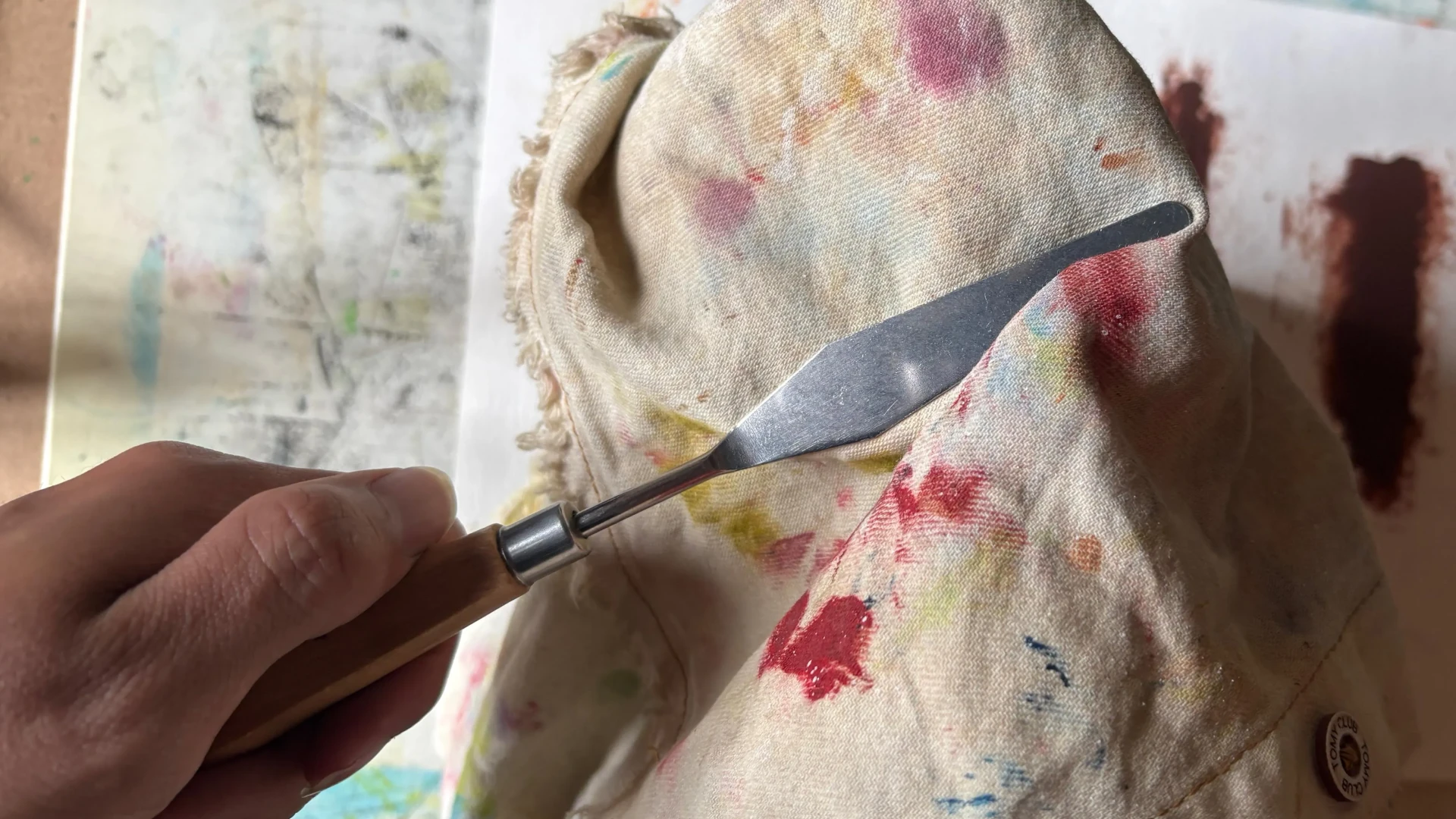
A few simple steps are enough to keep them in good condition. Wipe them with a cloth each time you change colors and dry them carefully to prevent rust. Before buying one, remember to check the flexibility and strength of the blade: that’s what really makes the difference in use.
The painting knife is a tool that definitely deserves a try. Once you start exploring it, you’ll discover effects and textures that no brush can reproduce. Over to you!
Discussion
Very interesting article. I particularly liked the sgraffito, it gives a very beautiful result. I will definitely try it one day, especially since it works with different kinds of paint ð
This article is an excellent introductory base, clear, accessible, and well-structured, but it remains very superficial on certain important technical aspects. The article briefly touches upon the importance of impasto mediums (gels, mortars) that are essential for acrylics. It lacks details on the angle of inclination of the knife in relation to the canvas to achieve the desired effects, and on the size of the knives, and it fails to mention that the knife requires a rigid support (wood panel or very tightly stretched canvas). Finally, the article states that acrylic or gouache "also work very well" for impasto. This is misleading: gouache will crack and split if applied in a thick layer. As for standard acrylic, it loses volume as it dries. Therefore, it should be specified that for acrylic, it is essential to add a gel or texture medium to maintain the relief of the knife after drying.