
The Watercolor Wash Technique: When and How to Use It
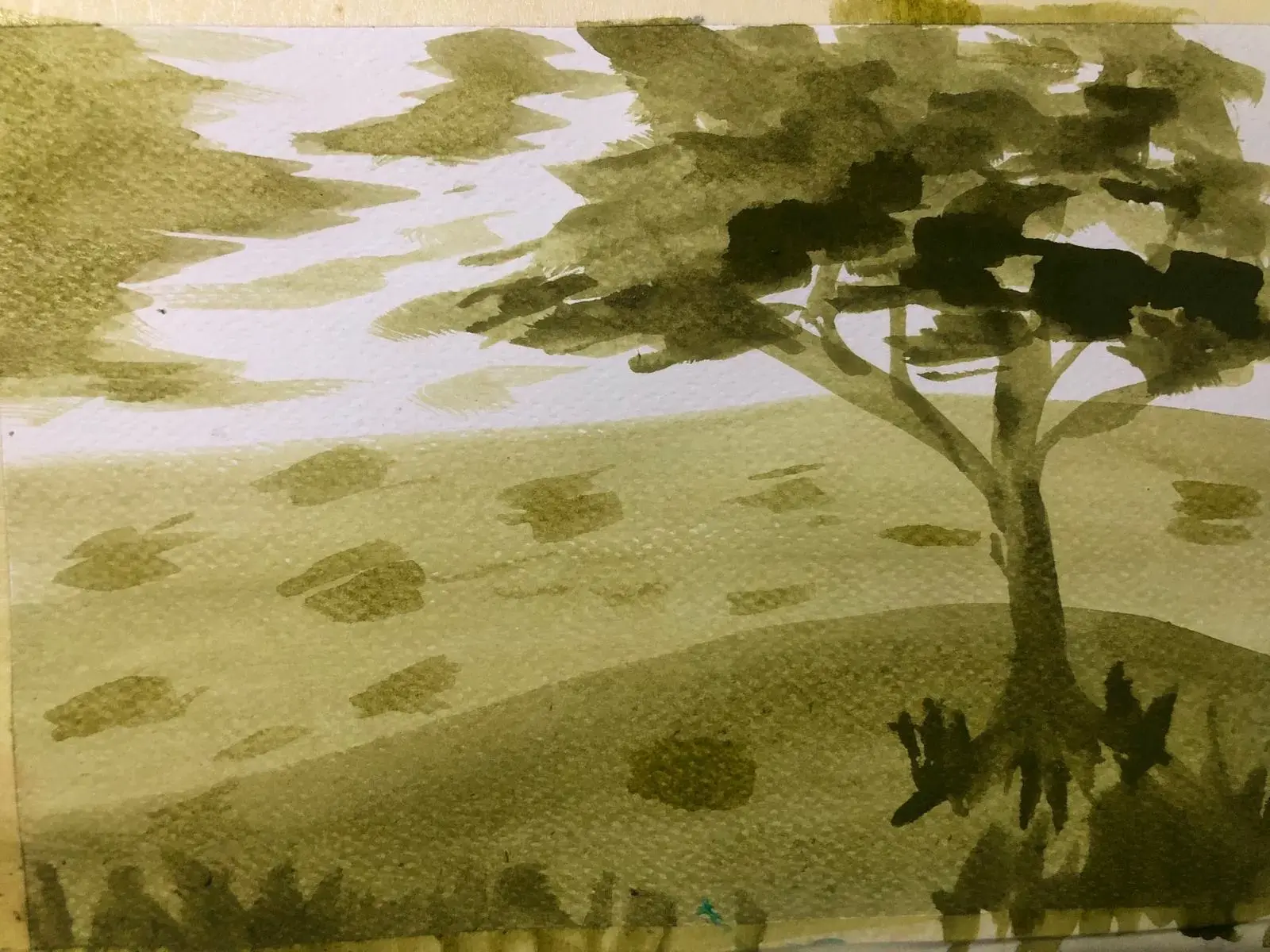
If you are just starting to use watercolor, you will soon hear about many techniques and approaches. Understanding them and learning to master them is essential in order to fully appreciate and explore this medium.
Hello and welcome to this article dedicated to watercolor wash painting: let's explore together what this technique involves and how to apply it effectively.
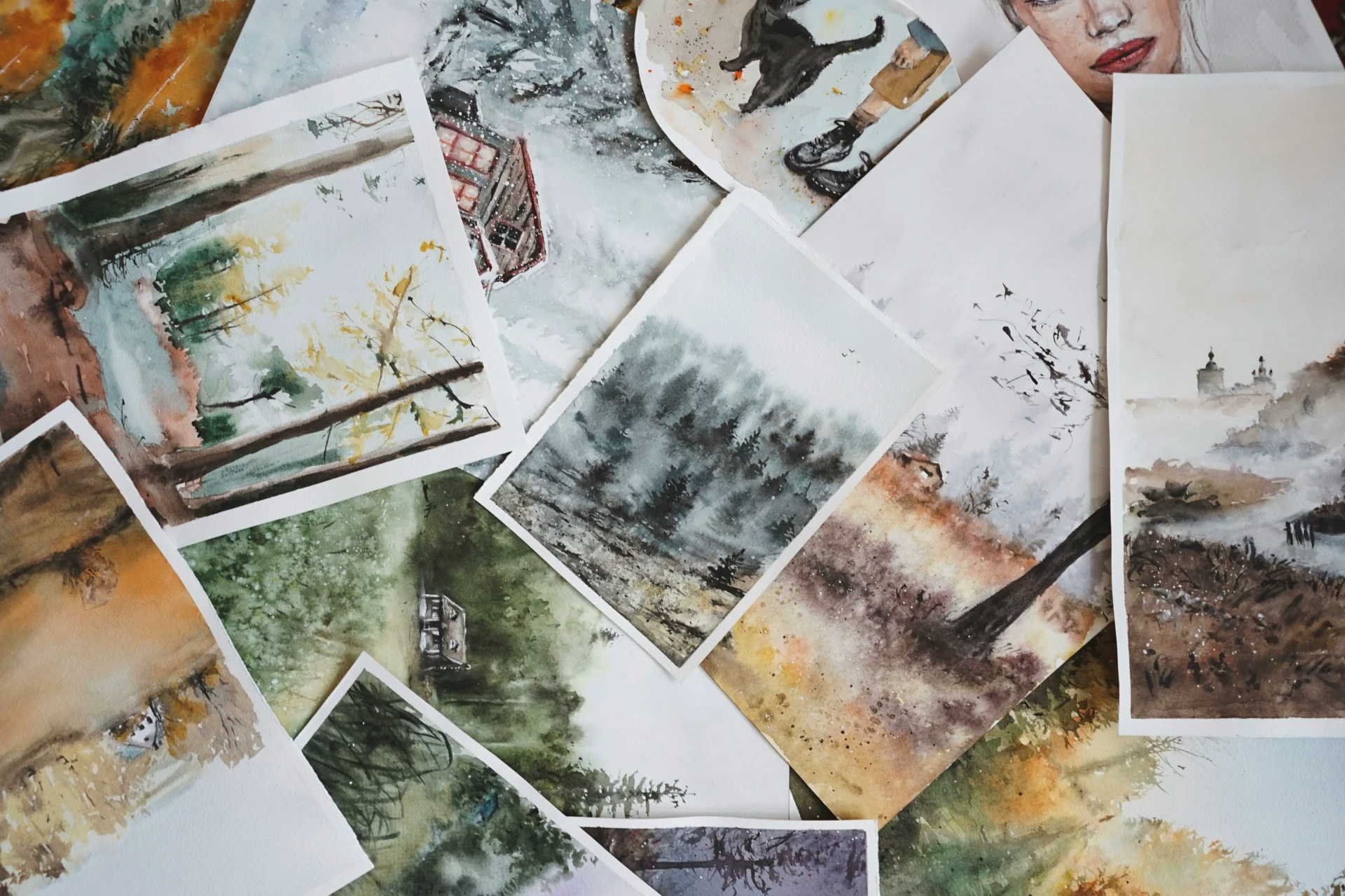
What is watercolor wash painting?
Wash painting is a method of applying watercolor that involves diluting the paint in water until it resembles a mixture similar to ink. This technique enables the artist to cover large surfaces uniformly or with a gradient, while maintaining a soft and light appearance.
Generally, it is used at the beginning of a painting because it enables quick creation of harmonious backgrounds with an attractive and balanced appearance.
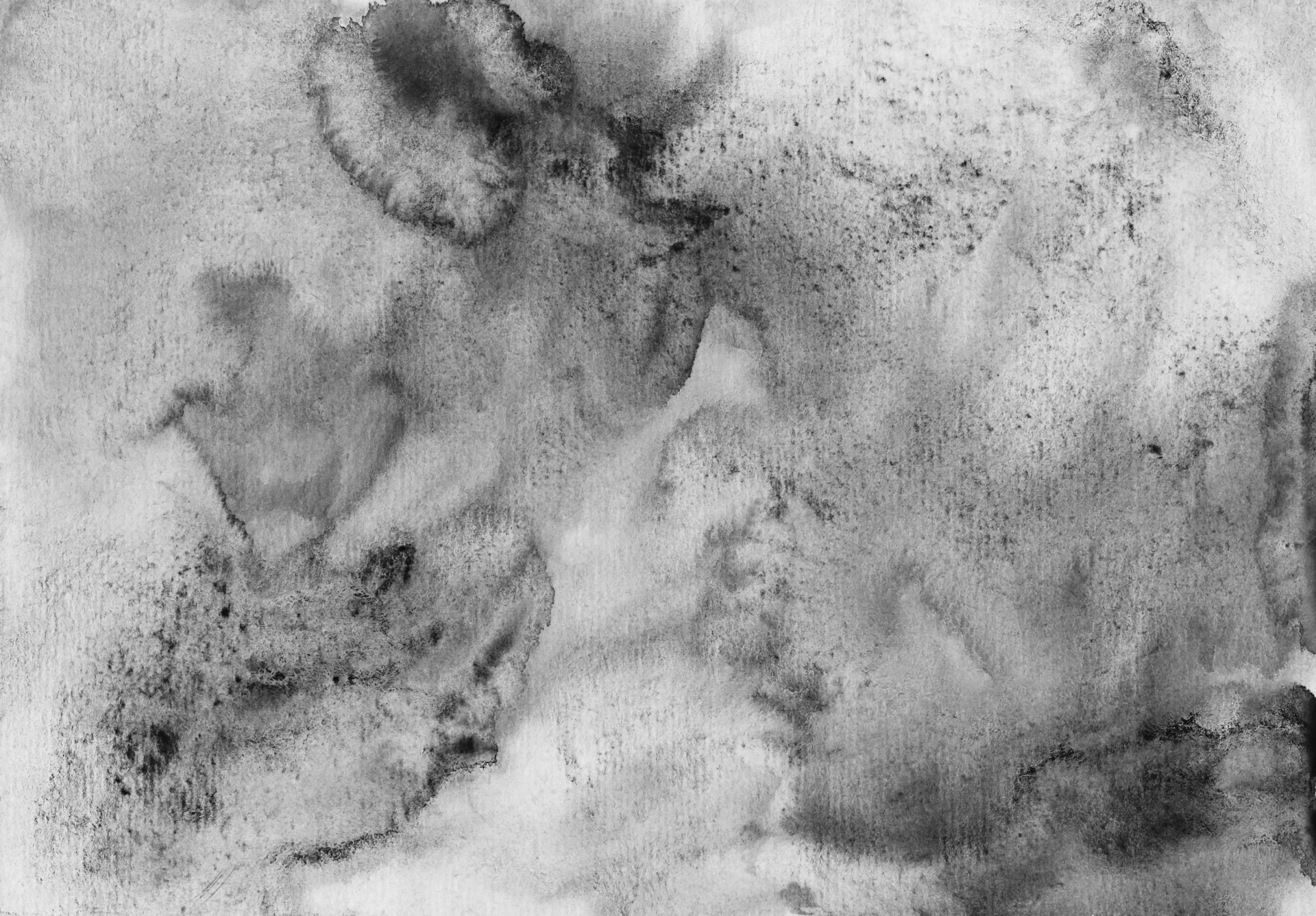
How to use the wash technique
Here are some tips for getting better results with this technique:
Use large soft brushes: they hold more water and enable smooth and even application.
Tilt your sheet slightly: this facilitates the flow of water and speeds up coverage of the surface.
Work without interruption: when using washes, time is precious. You need to paint continuously to avoid marks or lines.
Conduct color tests: you can obtain several intensities from a single shade, depending on the amount of diluted pigment. Conduct a few tests on scrap paper to check the values.
Remove excess paint: use a dry brush to absorb the surplus and avoid unexpected splotches.

Variations of the technique
If you are already familiar with some watercolor techniques, these two wash variants will seem familiar to you:
Uniform wash (wet on dry)
Also called "wet on dry", this method enables you to create a uniform layer of color without visible marks. Dip your brush in the mixture and apply it directly onto dry paper, as the name suggests.
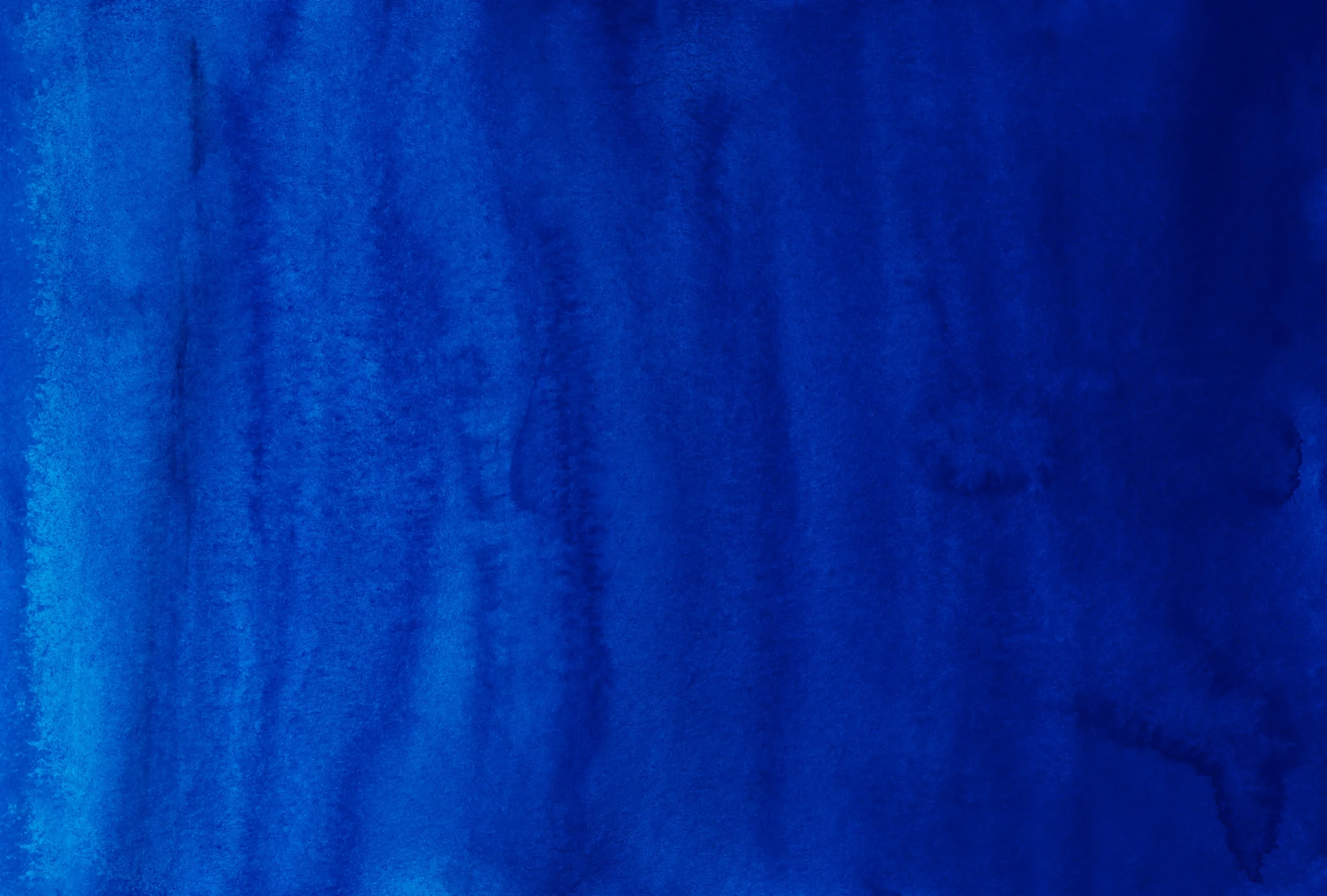
Gradient wash (wet on wet)
Also known as "wet on wet," this is the ideal technique for blending multiple colors or different values of the same hue. It involves moistening the paper before depositing the diluted color: the pigments then naturally diffuse, creating subtle transitions.

Some examples of artists
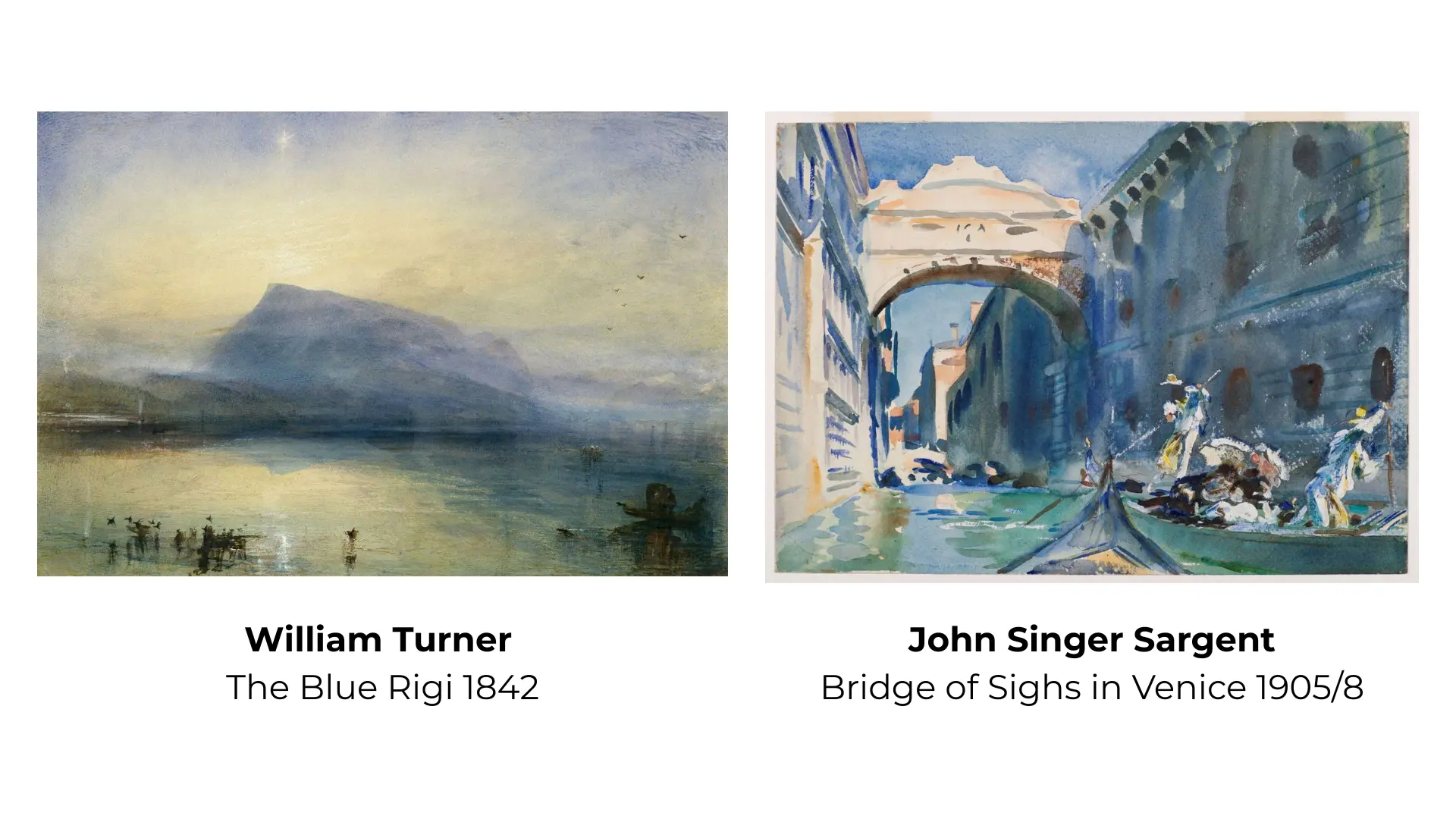
Here are two famous artists who have mastered the use of wash in their watercolors:
William Turner
You might be familiar with this name. This British master of Romanticism is considered to be the artist who elevated watercolor to the status of major art. His works are distinguished by their luminous atmosphere, built through layering multiple washes.
John Singer Sargent
This American artist, a figure of realism, produced watercolors of great vitality. In his works, washes are evident in dynamic backgrounds, made of quick and bold brush strokes, sometimes similar to Impressionism.
Apply the wash technique
Finally, let's explore step by step how to use a watercolor wash to get the most out of it:
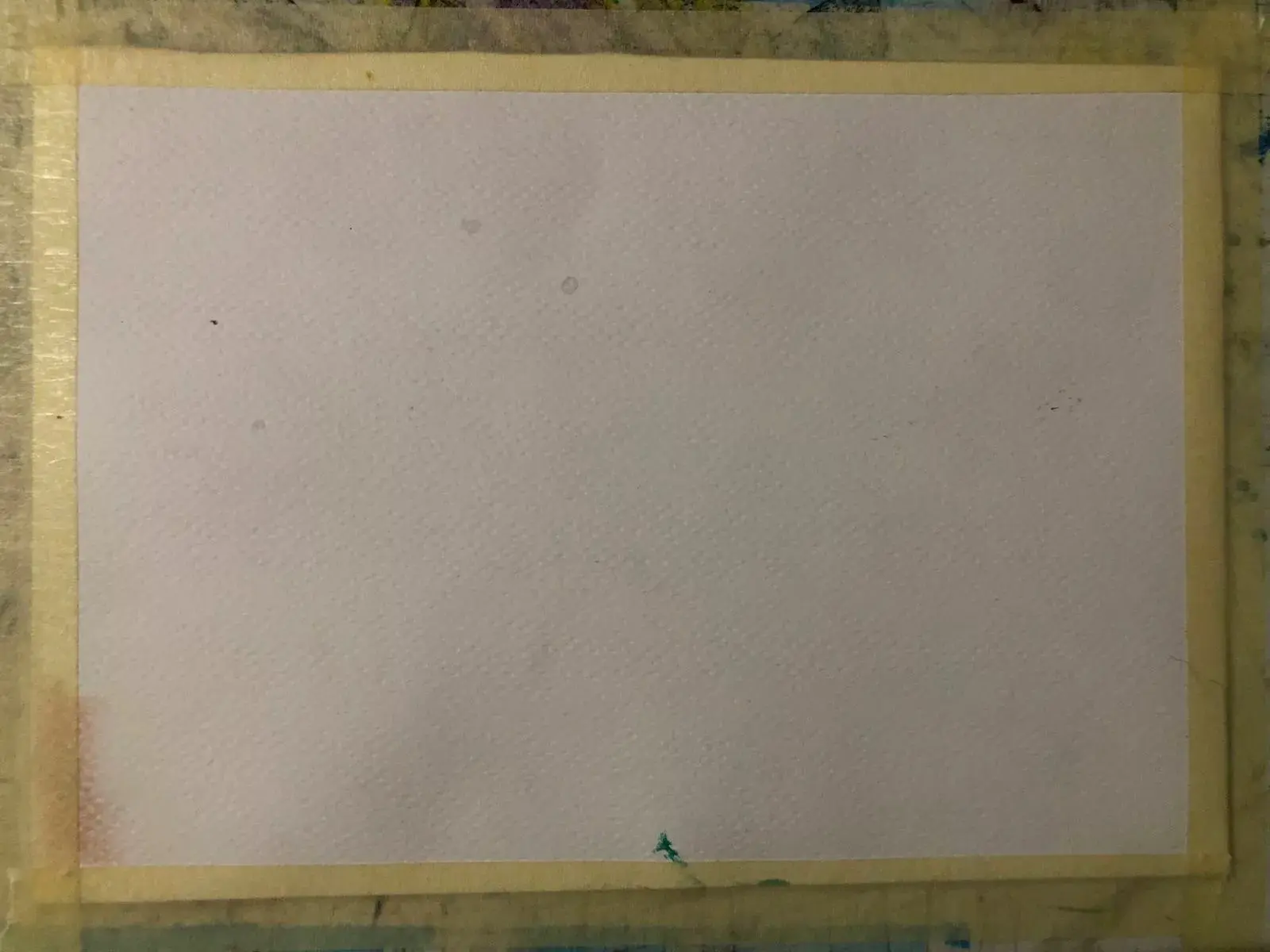
Prepare your paper. This step is crucial for all watercolor painting. Start by "preparing" the paper: moisten it or briefly immerse it in water, then let it dry before taping it to a flat surface to prevent warping.
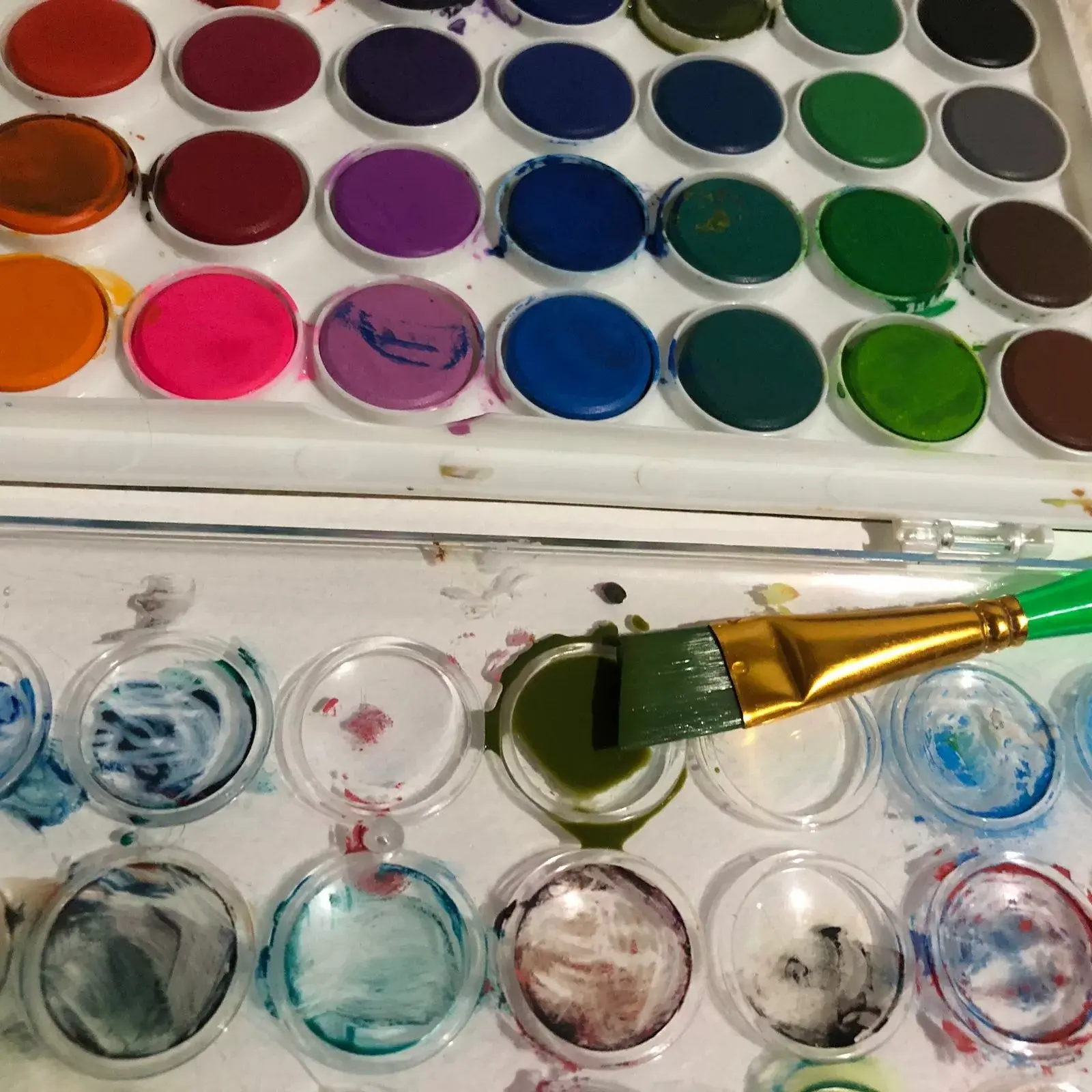
Create the color blend. The goal is to achieve a consistency similar to ink. Pour a little water into your palette or a small container, then gradually add the pigment while stirring. Test to ensure the shade matches the desired effect.
Apply horizontally. Dip the brush into the mixture and paint with long, steady strokes from one edge of the paper to the other, gradually moving down until the desired area is covered. Choose a uniform or gradient wash, depending on the effect you want.
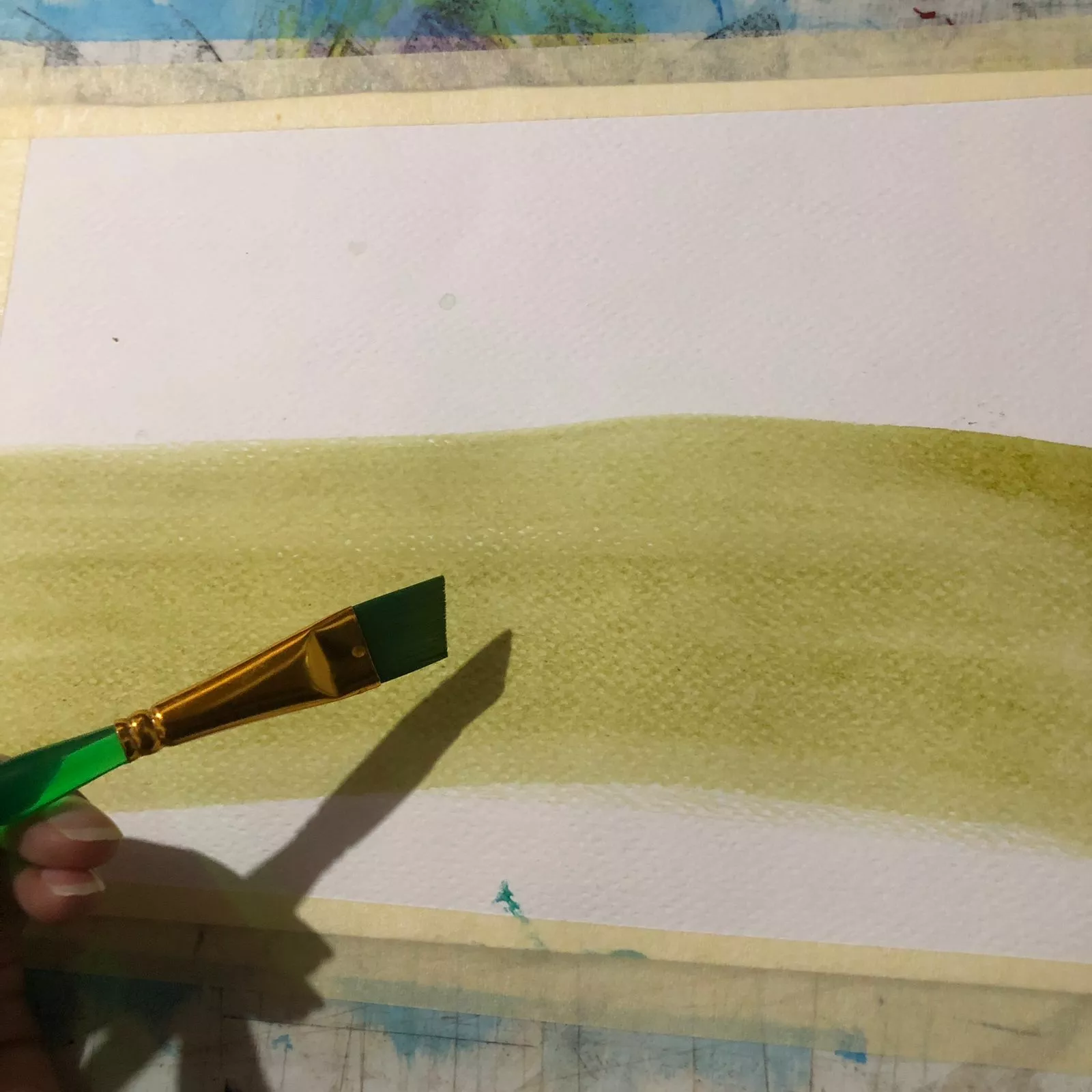
Exploit the "bead". When the brush moves across the paper, there is often a thin accumulation of water called a "bead". To avoid marks or lines, use this bead to connect your brush strokes: place the brush on it and continue painting without stopping.
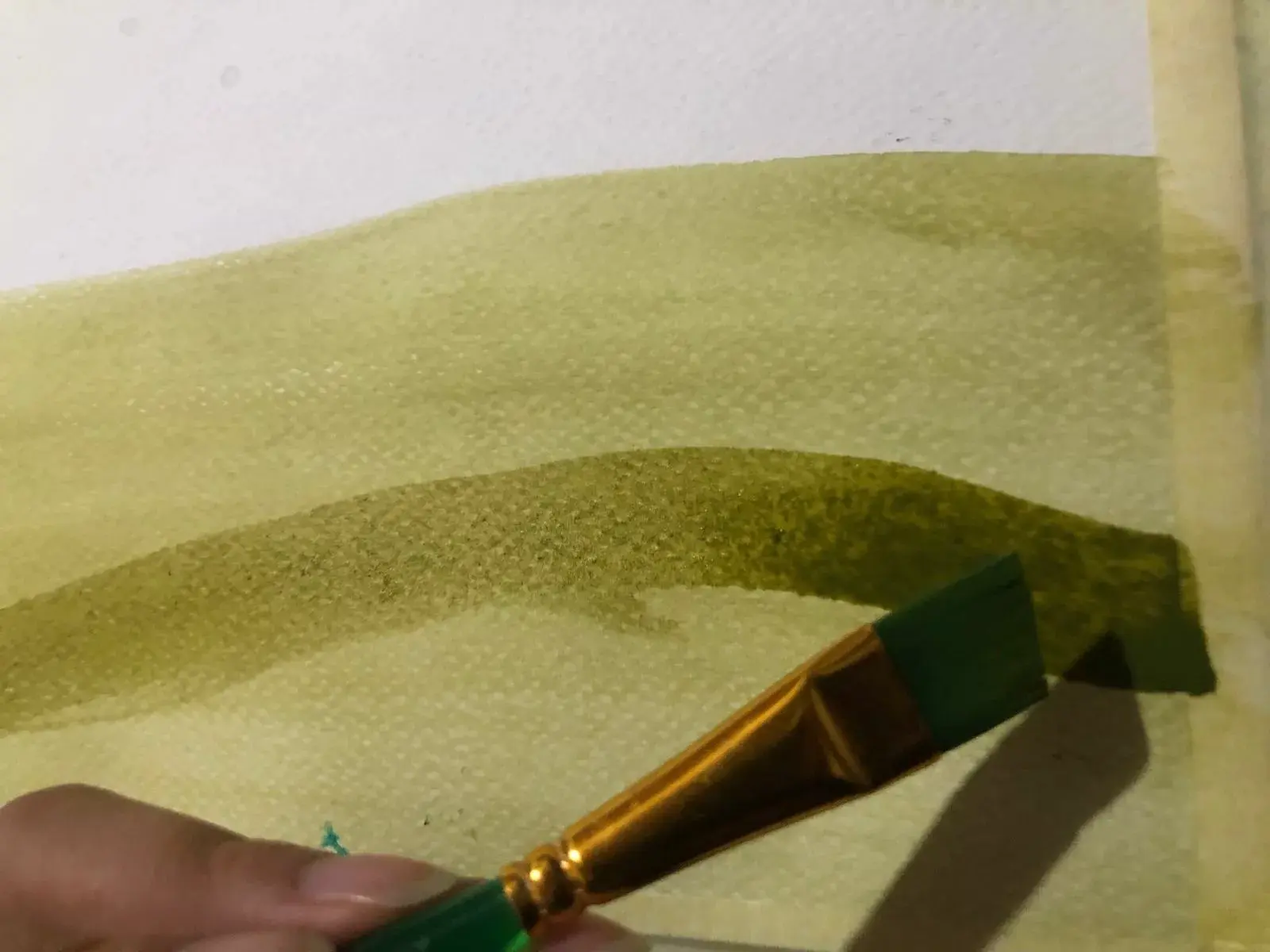
Work in transparent layers. By applying several successive washes, you will achieve a rich and nuanced atmosphere. Let each layer dry before applying the next one.

Combine with other techniques. The wash is often the foundation of a piece, but it should not be a limitation. You can combine it with other watercolor processes to refine details, create movement, and enrich the visual composition.
There you have it! You now know what the wash technique is and how to apply it to watercolor painting. I hope this article has helped you better understand this concept and its many possibilities. Feel free to experiment, layer, and explore the full richness of this wonderful medium that is watercolor.
Popular Articles
Discussion
I love watercolor but it is very difficult I tried anyway and I would like to have an opinion