
Why Use Black Chalk in Drawing?
Throughout the history of art, great masters have used all kinds of materials, and among them is one that is often not well known today: black chalk. Less popular than graphite or charcoal, it is still used in art academies and some drawing sets, and for good reason. In this article, we will explain what it is, its properties, and how to use it.
What is black chalk made of?
Even though it is now found in the form of a pencil, like graphite, black chalk used to be found in the form of raw stone from which pieces were extracted for drawing. Contrary to what its appearance might suggest, it is not a natural stone like coal, but a material produced from carbonated clay and coal, sometimes soot, to which a binder with a waxy texture was then added.
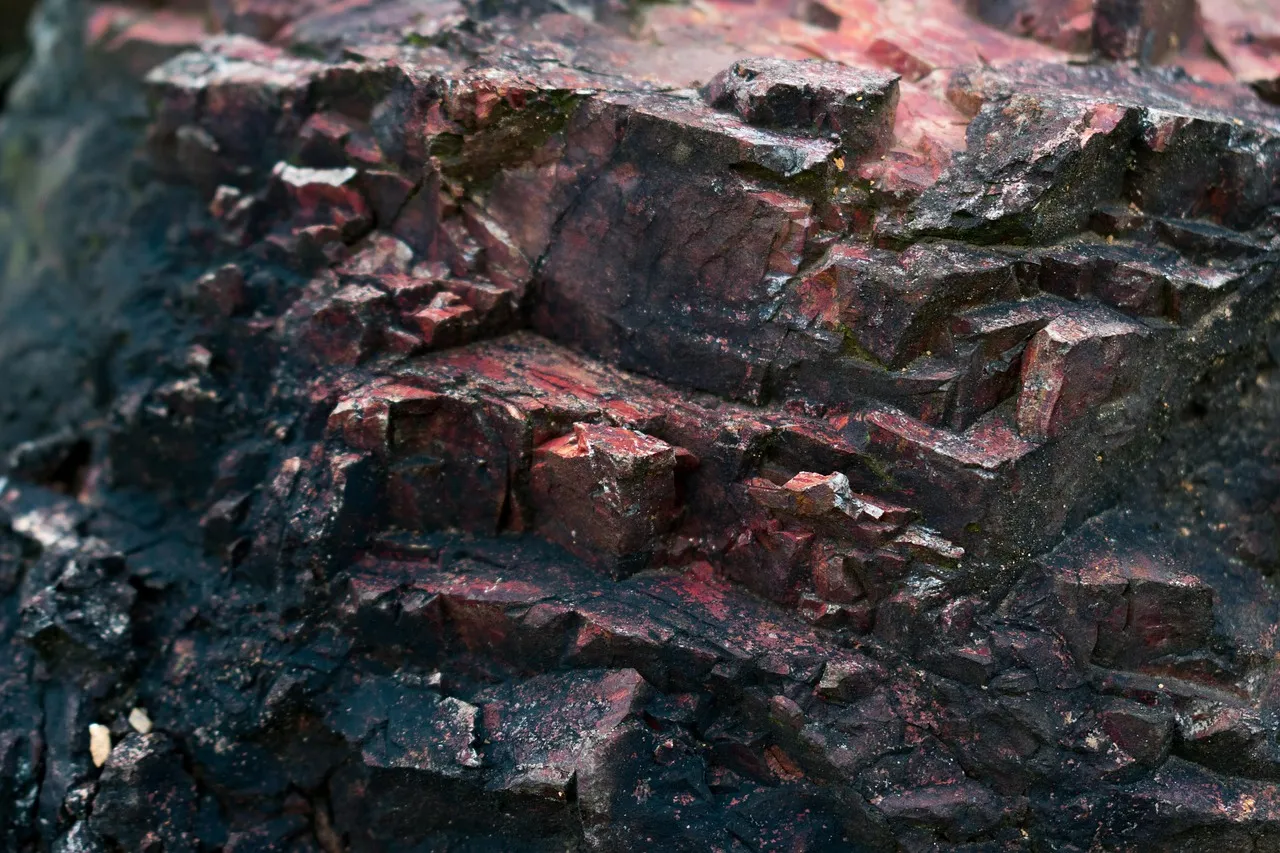
The qualities that make black chalk unique
Here’s what sets this material apart from its close relatives, to help you choose the right tool based on your needs.
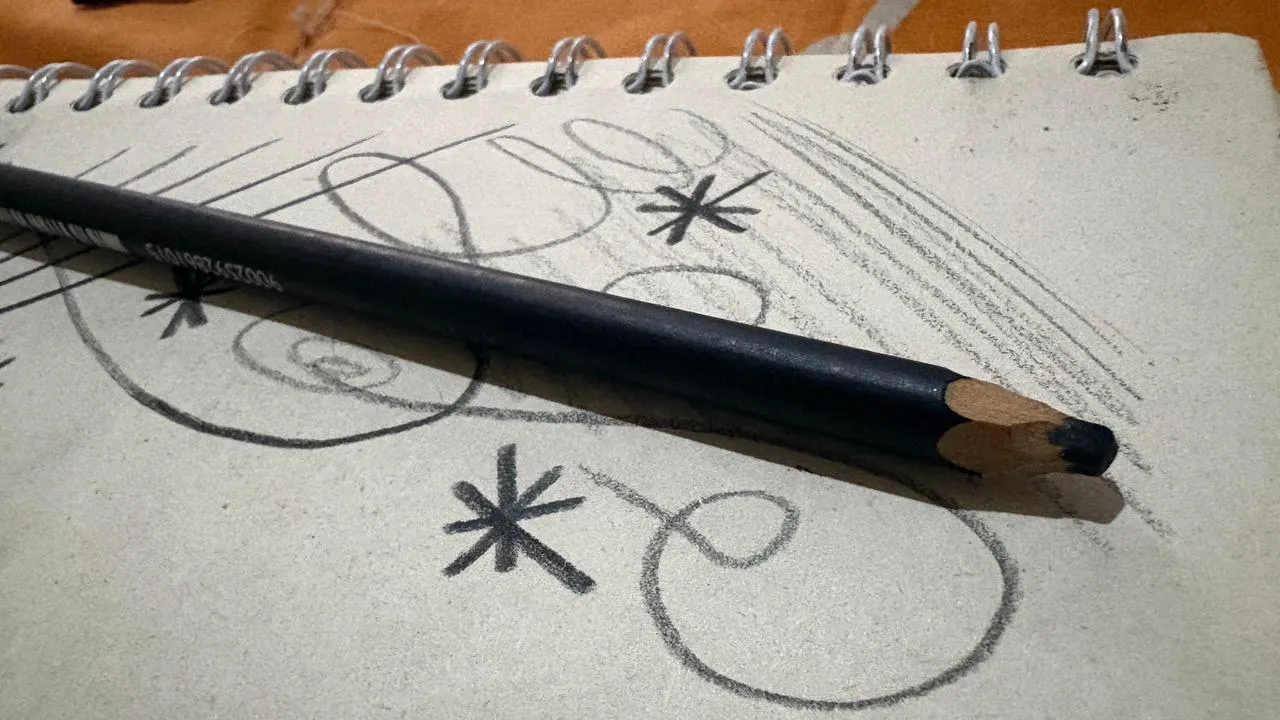
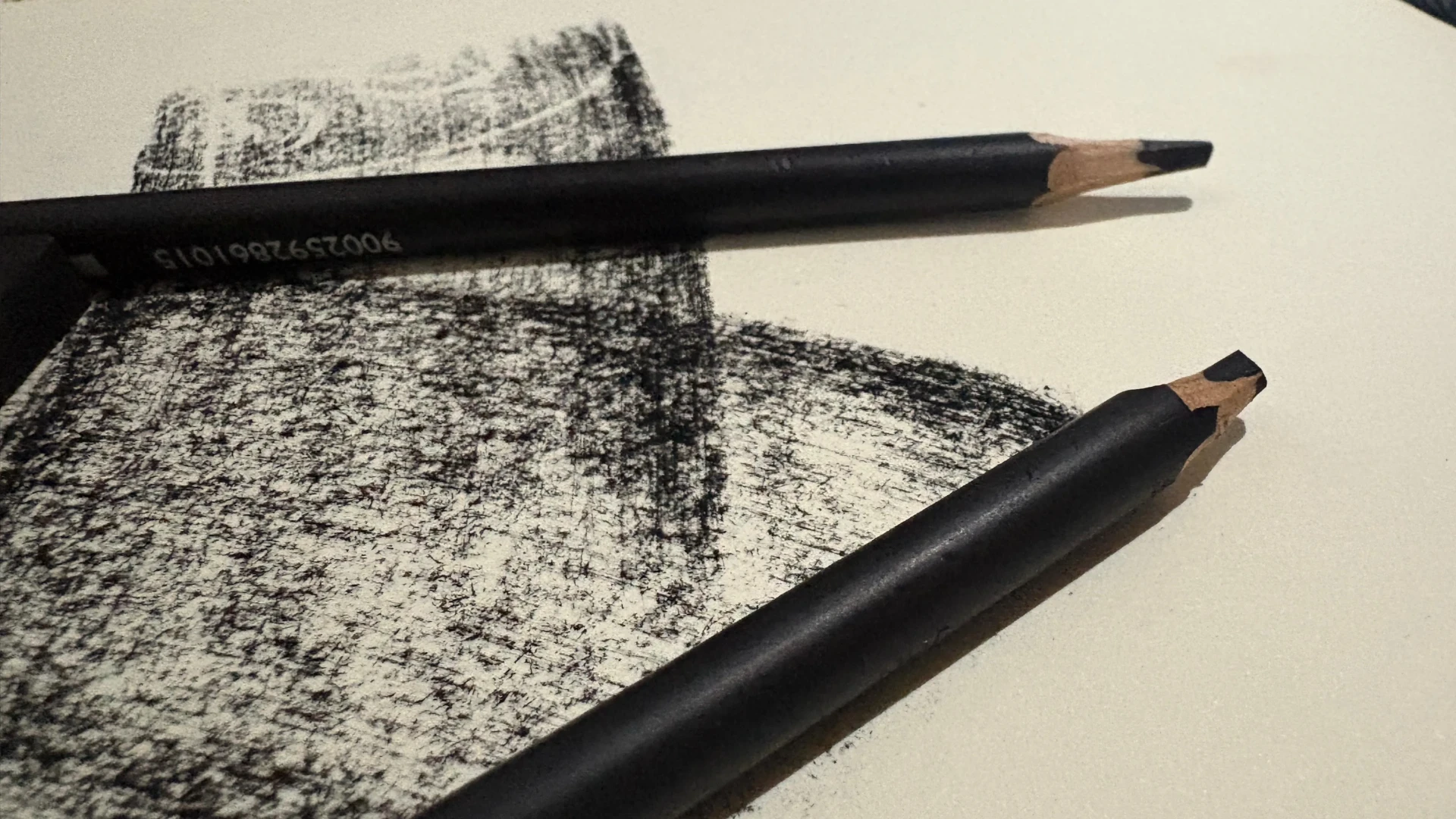
Its finish is matte; it reflects almost no light, which makes it possible to achieve blacks that are deeper than those of the darkest graphite pencils.
It doesn’t fade or wear away easily. Its features are much more durable and permanent than those of other materials, which is a significant advantage for drawings that you want to last.
It also offers excellent mechanical resistance: you can sharpen it to a very fine point without it breaking easily, which makes it ideal for fine and delicate details.
Black chalk, graphite, and charcoal: what are the differences?
When used with graphite: graphite produces a shiny, metallic effect due to its chemical composition. Black chalk, with its matte effect, corrects this drawback and provides much deeper and richer blacks.
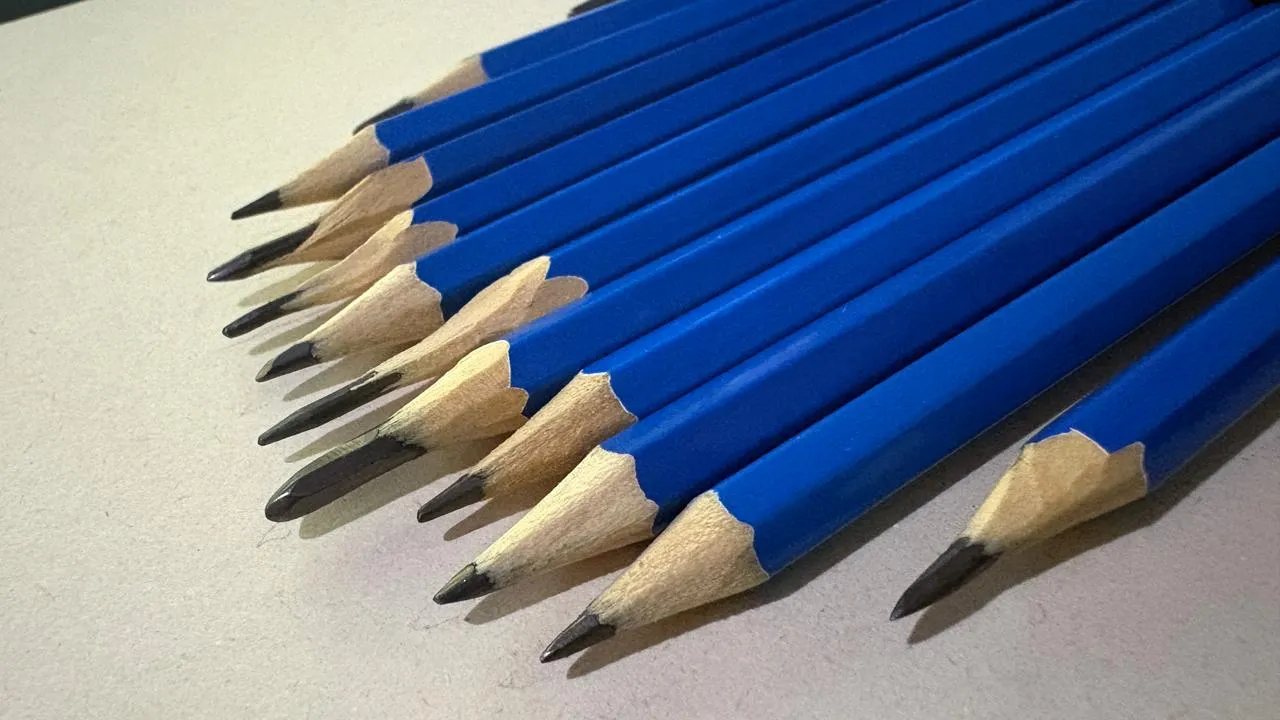
Compared to charcoal: charcoal is also capable of producing deep blacks, but it adheres poorly to the surface, which makes it relatively easy to erase. It also releases a lot of dust. Black chalk is more resistant and adheres much more firmly to the paper.
How to use black chalk: compatibility and uses.
I will now focus on the different combinations that this type of material can be used in, which enable it to complement other techniques and achieve even more interesting results.
Black chalk can also be used on its own, particularly for creating portraits, studies of models, or highly contrasting drawings. Its ability to produce matte and deep blacks makes it easy to work with values, gradually transitioning from light grays to the darkest shadows. It is therefore useful for both sketches and more elaborate drawings.
The three-pencil technique
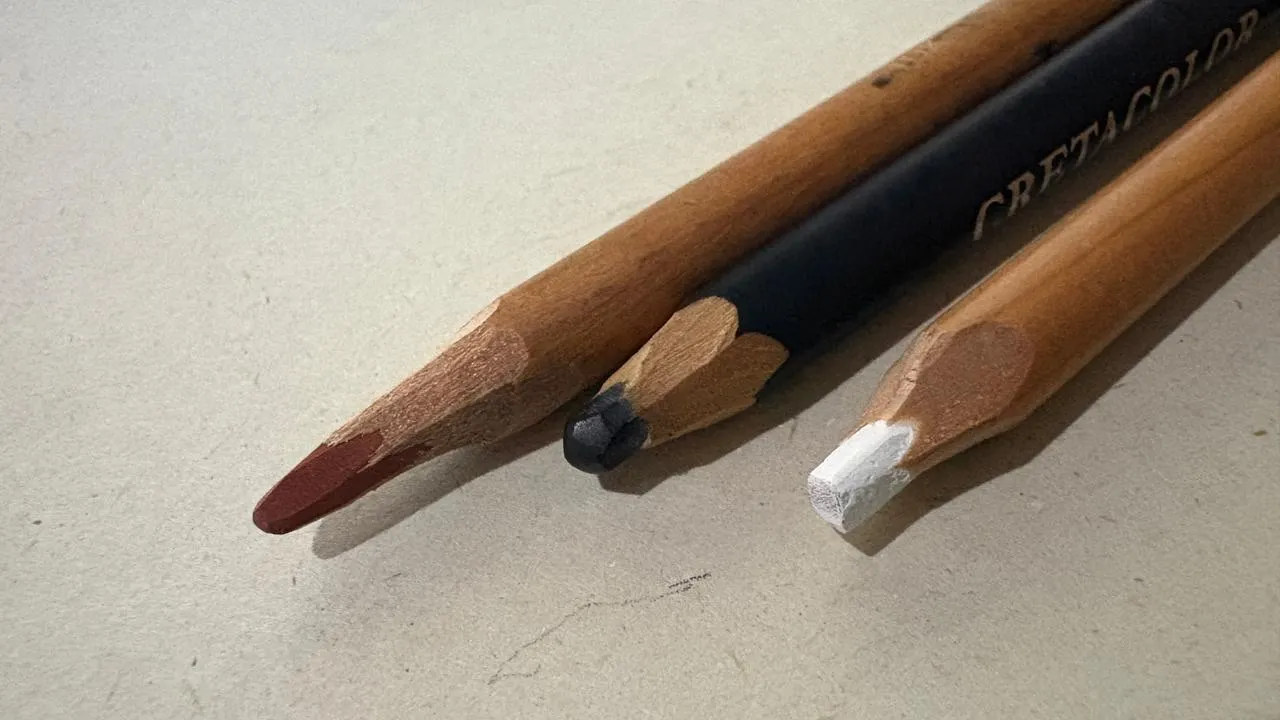
This is a classic method used by great masters throughout history and is particularly effective for studying light and the temperature of the skin. The principle: use black chalk for the deepest shadows, sanguine for the middle tones and warmth, such as the pink of the cheeks, and white chalk for the highlights. Together, these three materials form what is known as the "trois crayons" (three-pencil) technique.
Details about watercolor
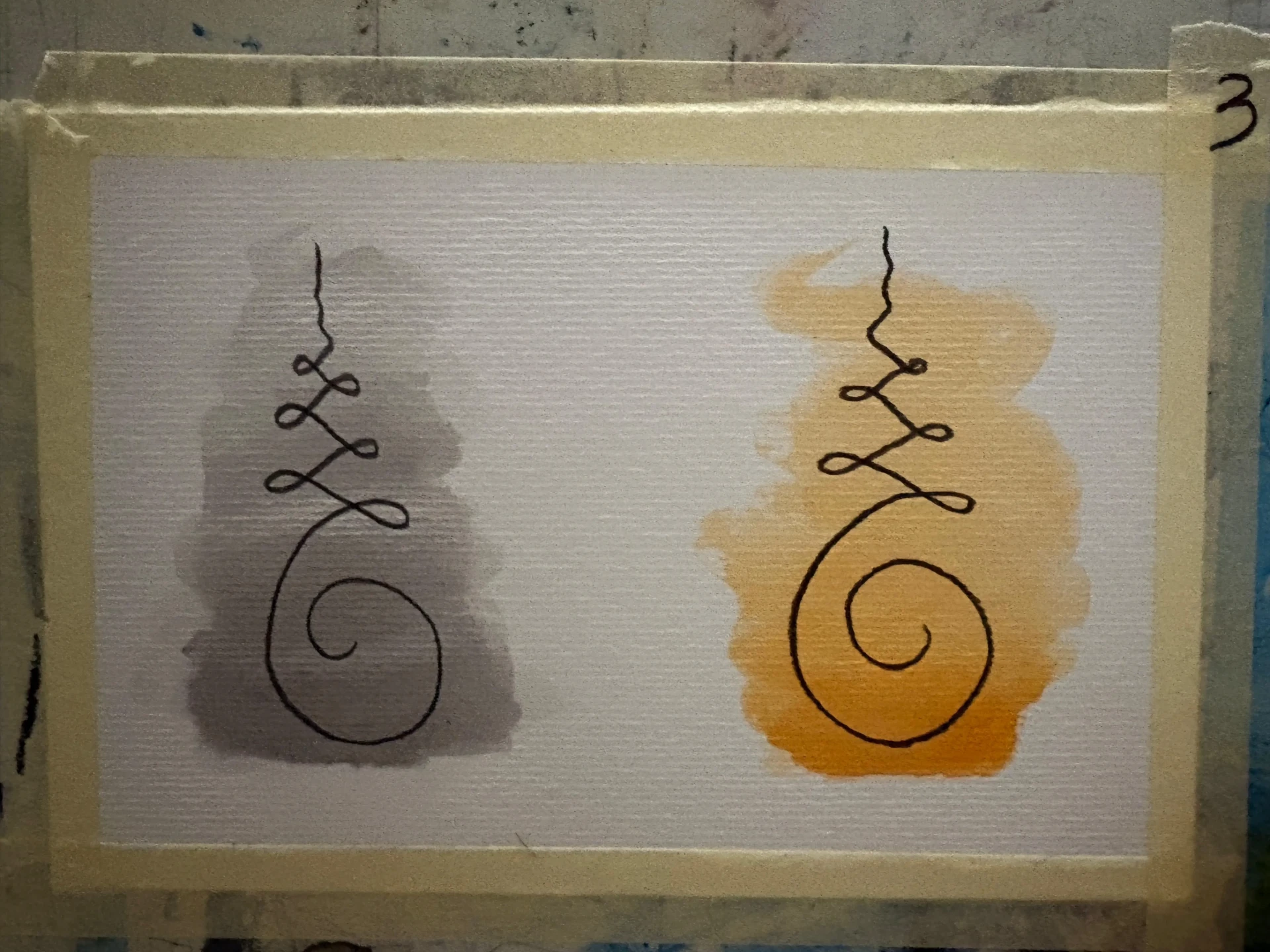
You have probably finished a painting before, wondering how to add sharp outlines without the brush letting you down. Black chalk is the solution: thanks to its composition, it enables you to trace outlines and precise details on watercolor without difficulty.
India ink and wash
Similarly, black chalk integrates very well into a piece using India ink. It allows for very fine and precise lines, and it even has an additional advantage: you can apply it before the washes, because it will not run when it comes into contact with water.
Black chalk and charcoal: a good combination
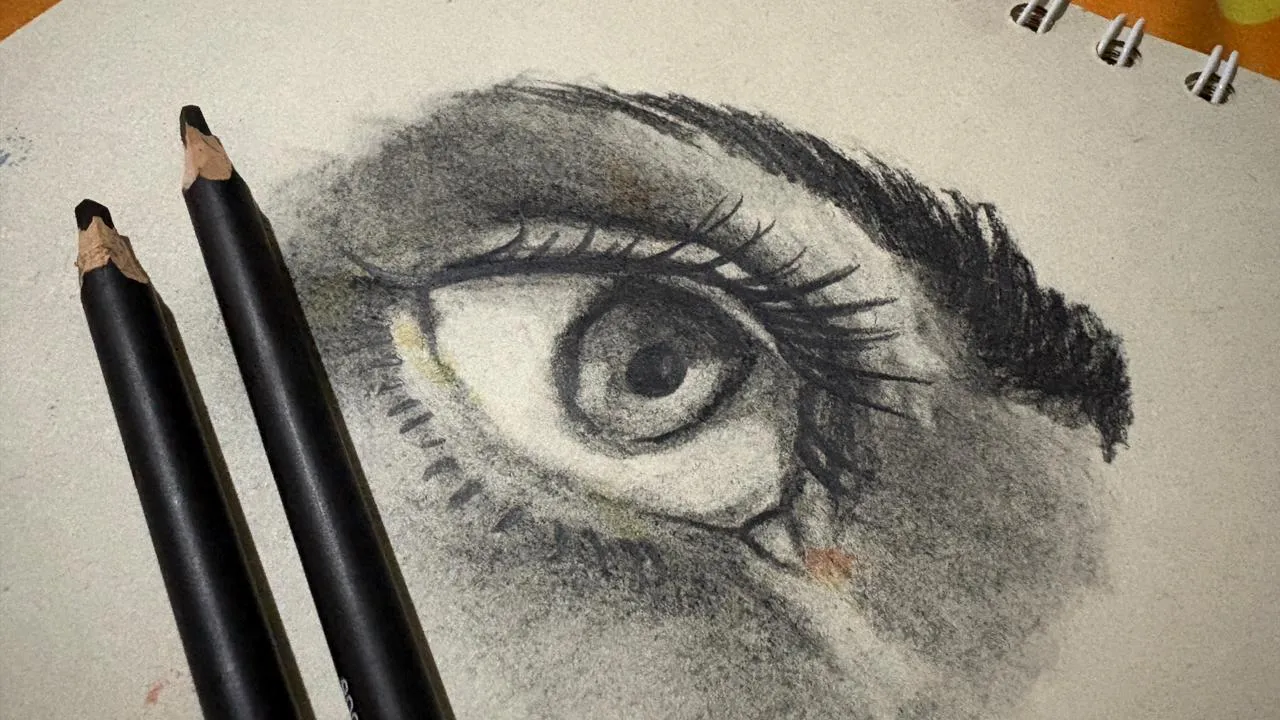
Even though they are often compared, black chalk and charcoal actually work very well together. Charcoal is used to create the overall shapes and large areas of shadow, while black chalk is used to define the details that you don't want to lose. Two different but complementary tools.
Our opinion on black chalk
Black chalk is a material characterized by its strength, firmness, and depth. It works well with both dry and wet techniques, making it a particularly versatile tool. It becomes even more interesting when combined with other techniques, and that is when it truly reveals all its qualities. In particular, it allows you to enhance contrasts and make certain elements of a drawing stand out.
If you haven’t tried it yet, now is the time to incorporate it into your practice. You might be surprised by the qualities it brings.
Discussion
I had never heard of the black stone and had never seen it anywhere. Thank you for introducing it to us.
I must admit that it makes me really want to find one.