
How to Draw a Lotus Flower
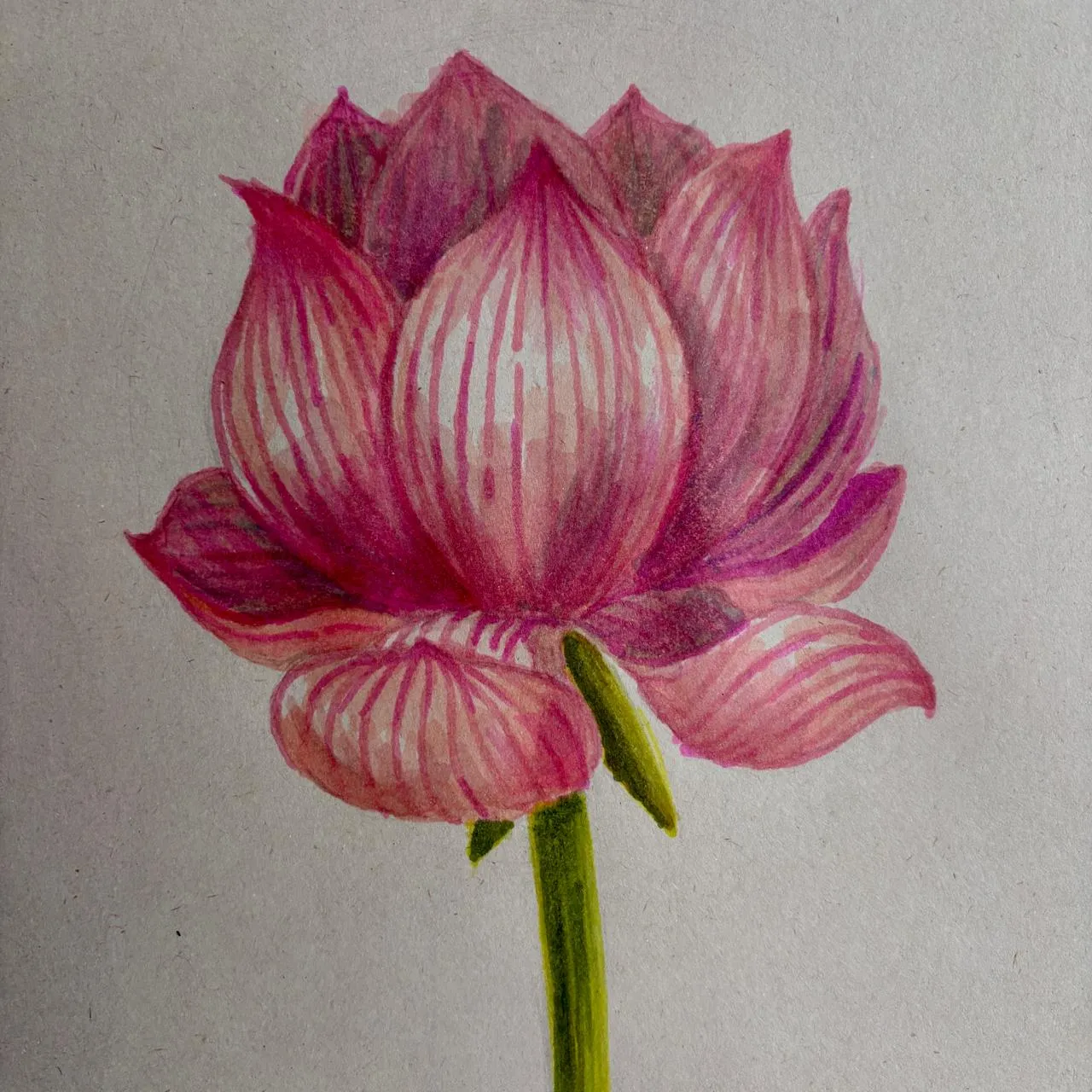
The lotus flower is a central symbol in Eastern thought. It embodies purity and spiritual enlightenment, and is often associated with religious figures such as Buddha or certain deities of Hindu cosmology.
Welcome to today's article: we are not just going to draw a flower, but learn how to depict one of the most powerful symbols of some of the world's major religions.
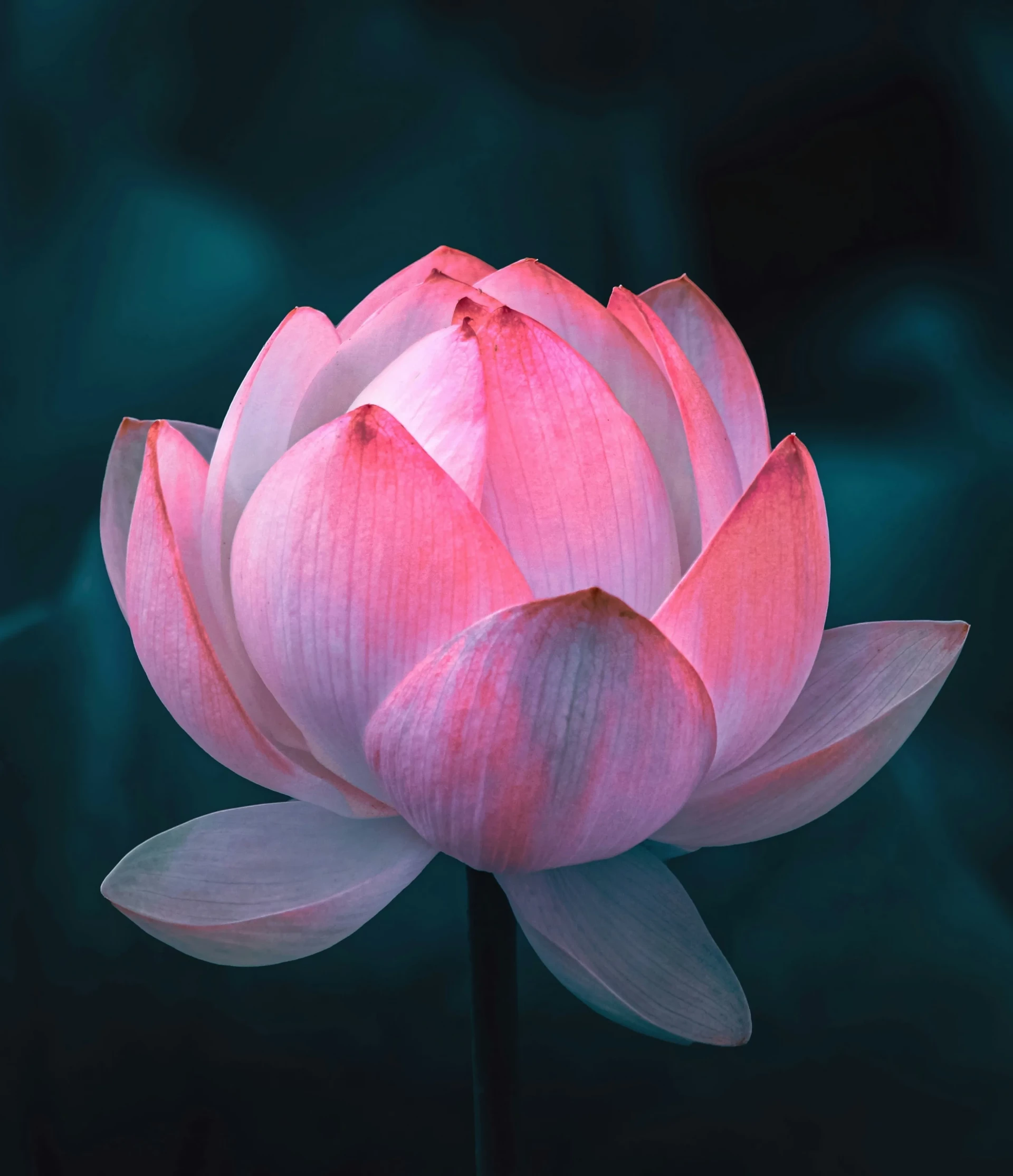
Characteristics and basic shape of the lotus flower
If we look closely at the composition of the flower, we notice a series of petals carefully arranged side by side, without overlapping or overlaying one another. Each petal has its own place in its row. We can also see that each petal has a wide shape, tapering to a point at the ends. They are thin and have a delicate texture, created by parallel lines that run vertically across them.

Draw a lotus flower step by step
Get your paper, pencil, and coloring materials and let's begin:
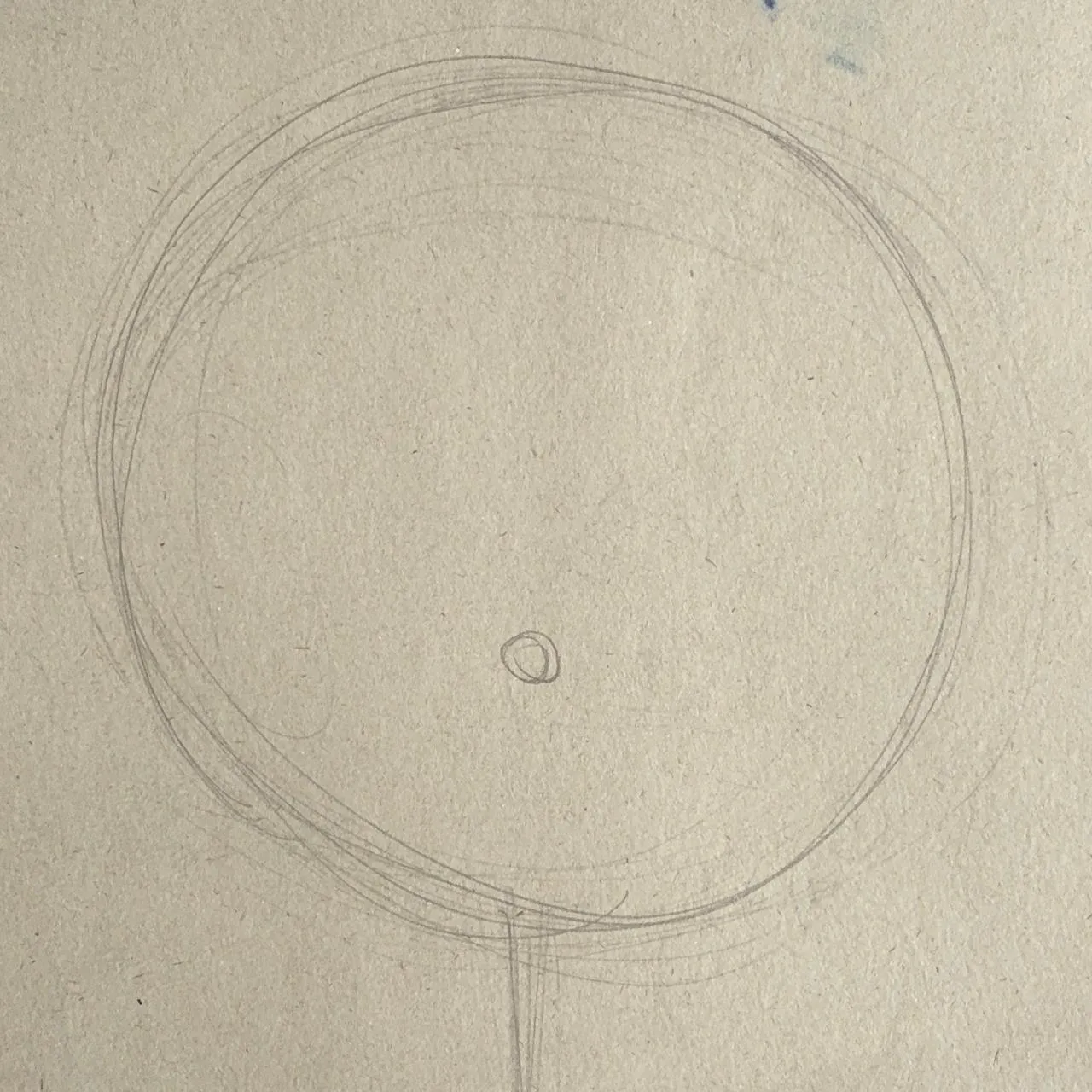
Draw a circle corresponding to the total size of your flower. Imagine that this is the diameter you will use. Then place a marker, a small reference point at the bottom of the circle. This will help you position your petals.
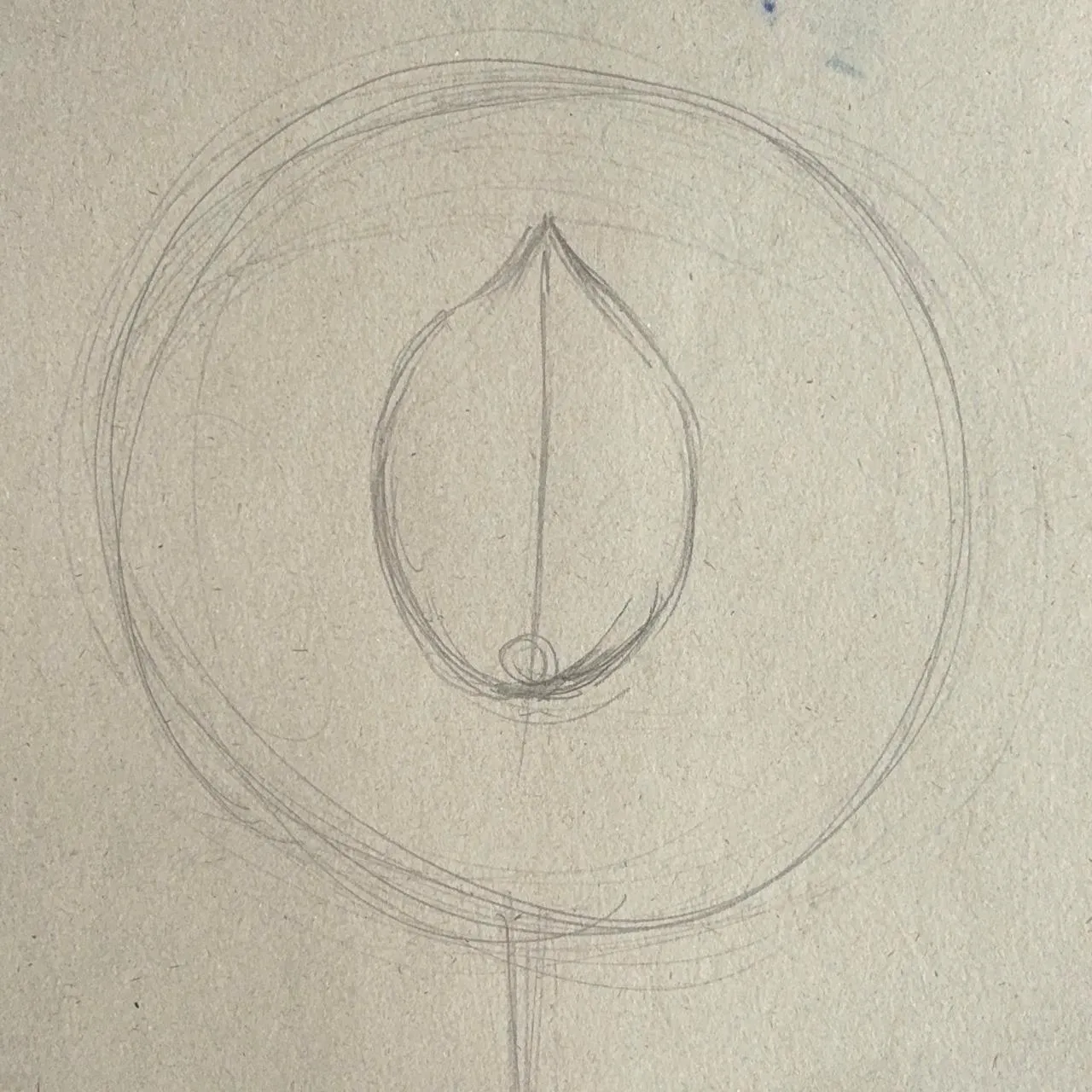
From this reference point, draw the first petal. Observe its dimensions carefully. You will notice that the space below and above the petal is almost identical, which places it exactly at the center of the composition. This is essential, as it will serve as a reference for the others.
Now draw a pair of petals on each side, seen from the side, bearing in mind that they pivot around the center of the flower. Important note: they do not need to be perfectly aligned. In nature, a slight irregularity creates harmony.
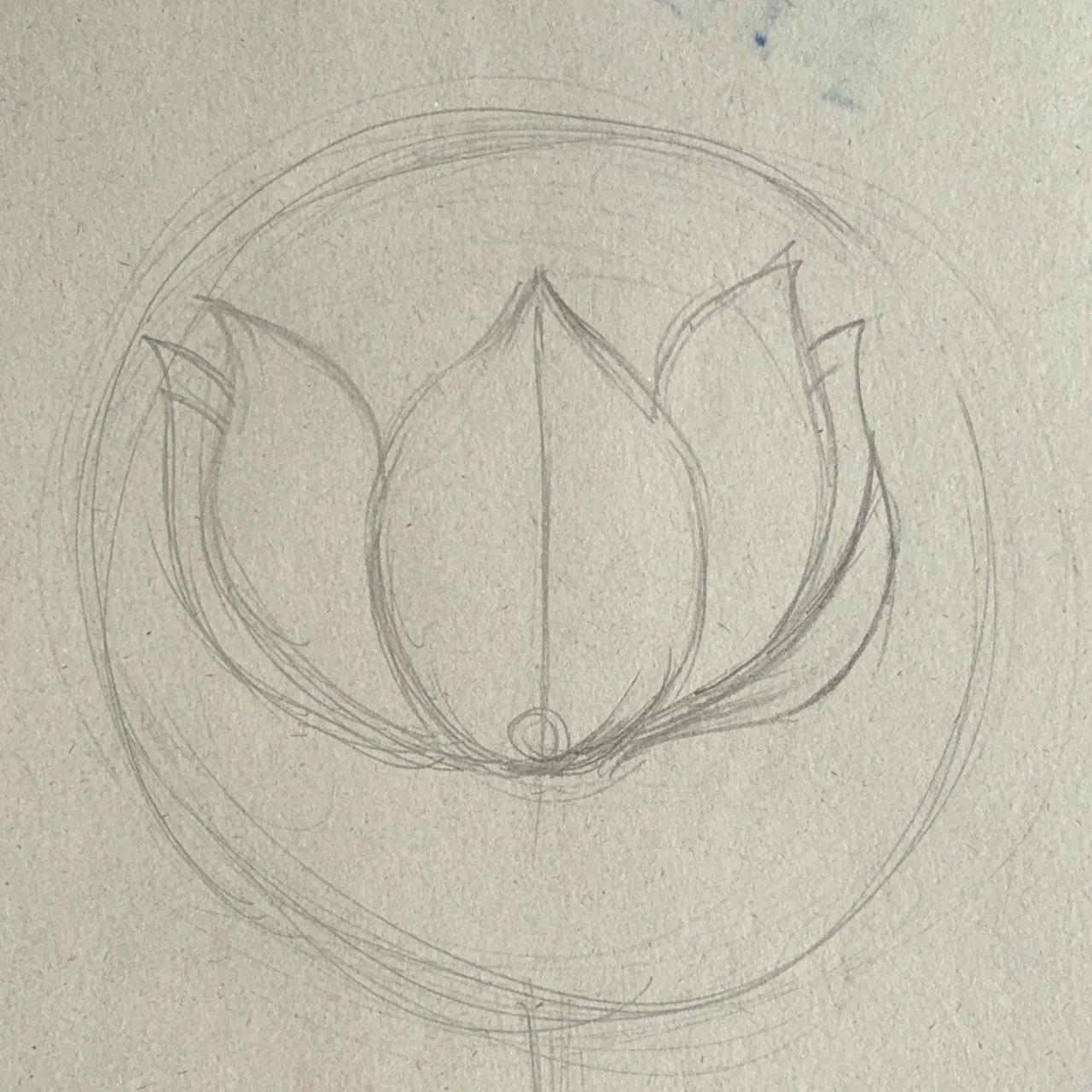
Then add some petals inside and at the back, drawing some tips above the first level that we drew. At the bottom, add more fully open petals so that they are seen from the front. In the example, I show you three different ways to represent them.
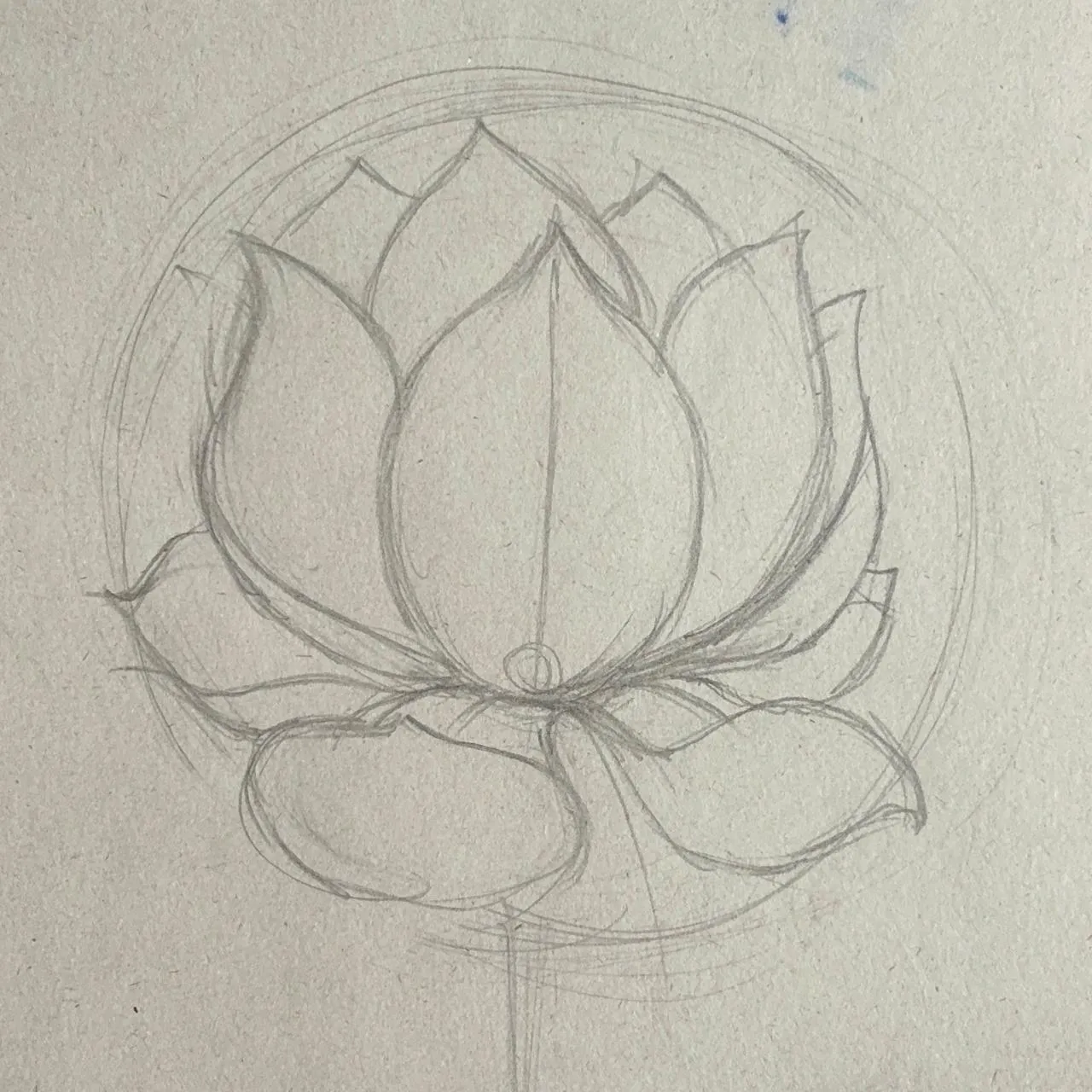
To complete the sketch, draw a straight tubular stem with a few leaves just below the flower. Also define the final lines needed for the coloring stage.
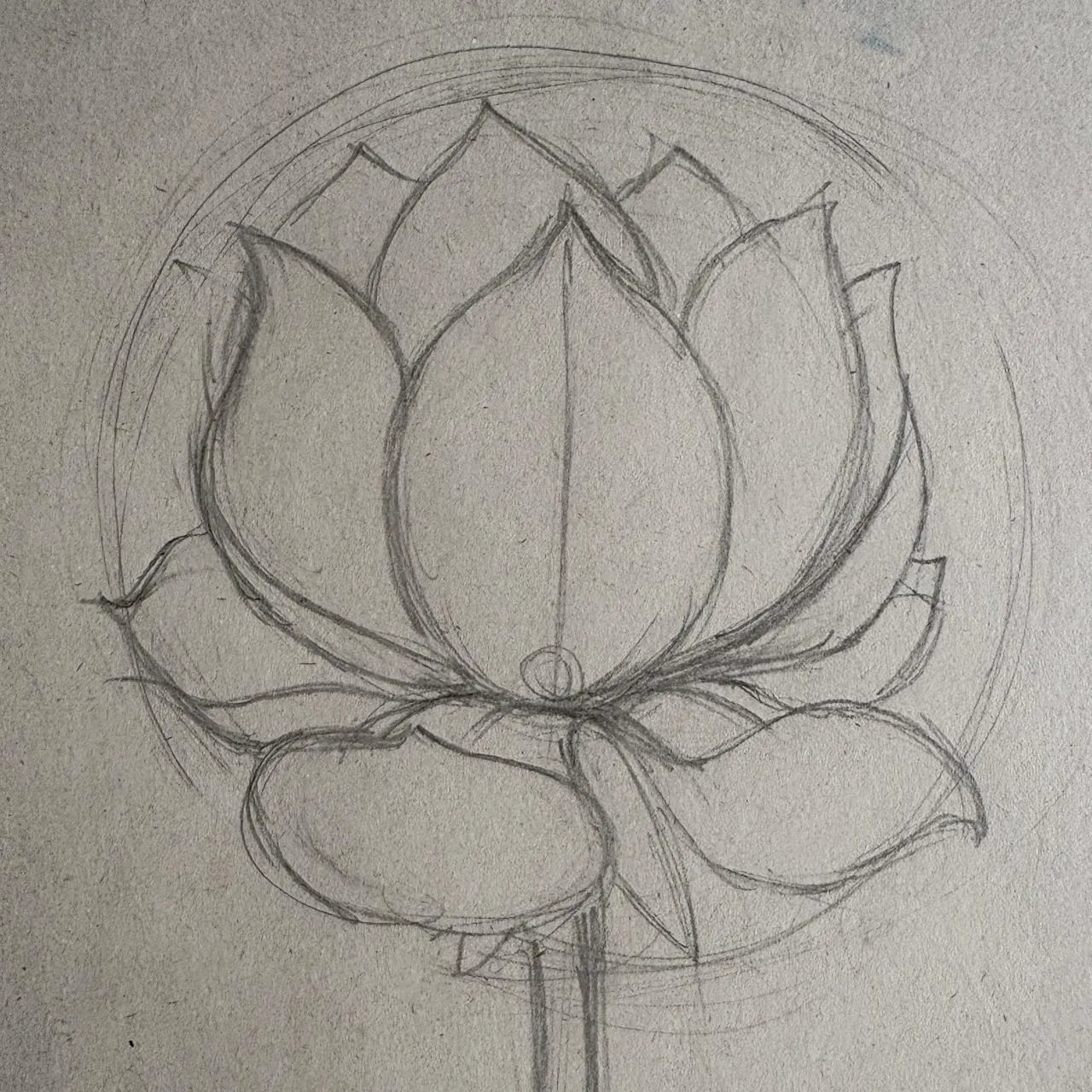
Add color
Let's start with the texture. For this, draw fine and incomplete lines along the petal. Be sure to use a slightly dark shade, preferably the darkest you plan to use. Also go over the contact lines between one petal and its neighbor to avoid any visual confusion.
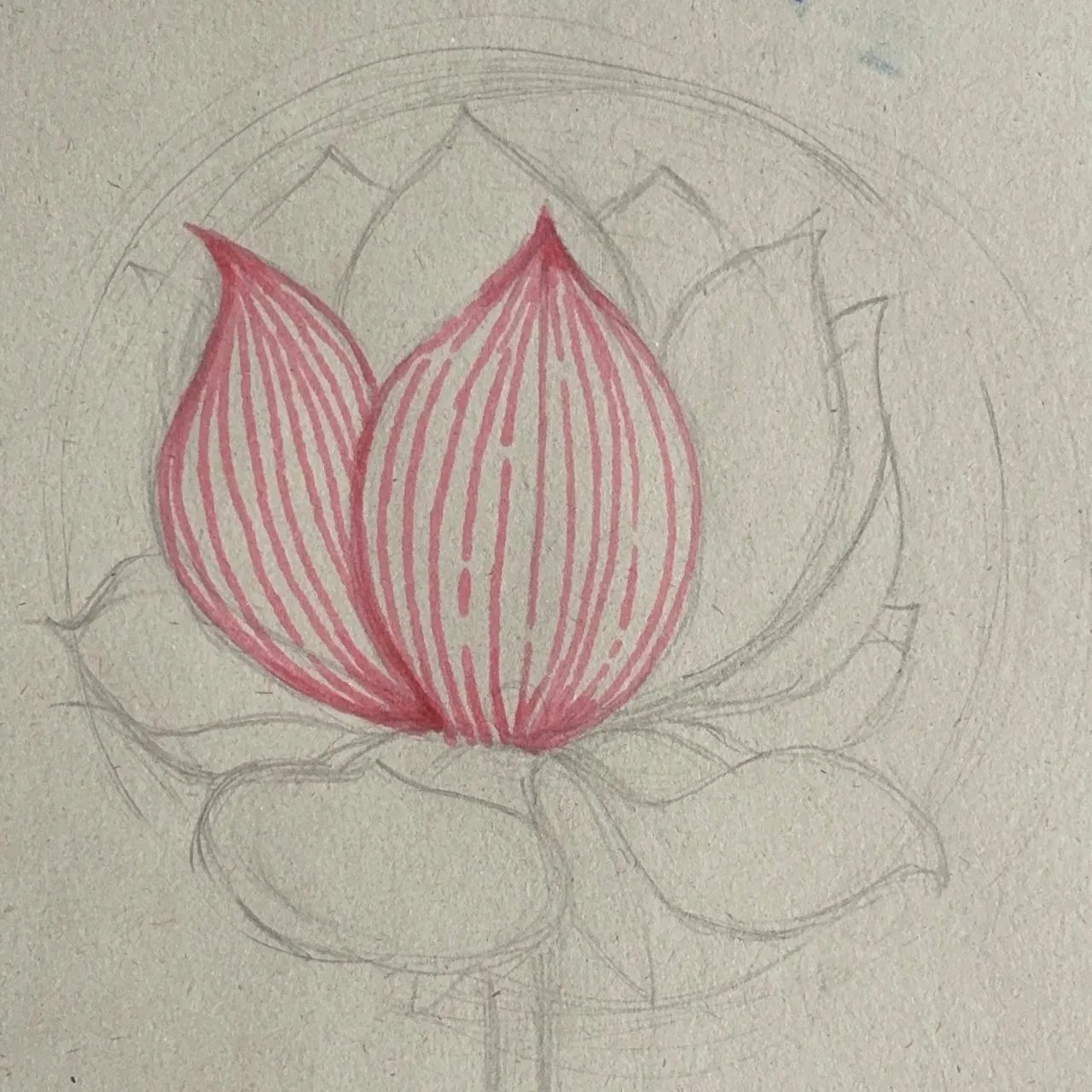
Once you have finished texturing all the petals, you can move on to coloring.
Start by applying a very light pink layer. In this example, I chose a peach shade as the base. Add color by making strokes from the edges, while leaving some white spaces to add brightness.
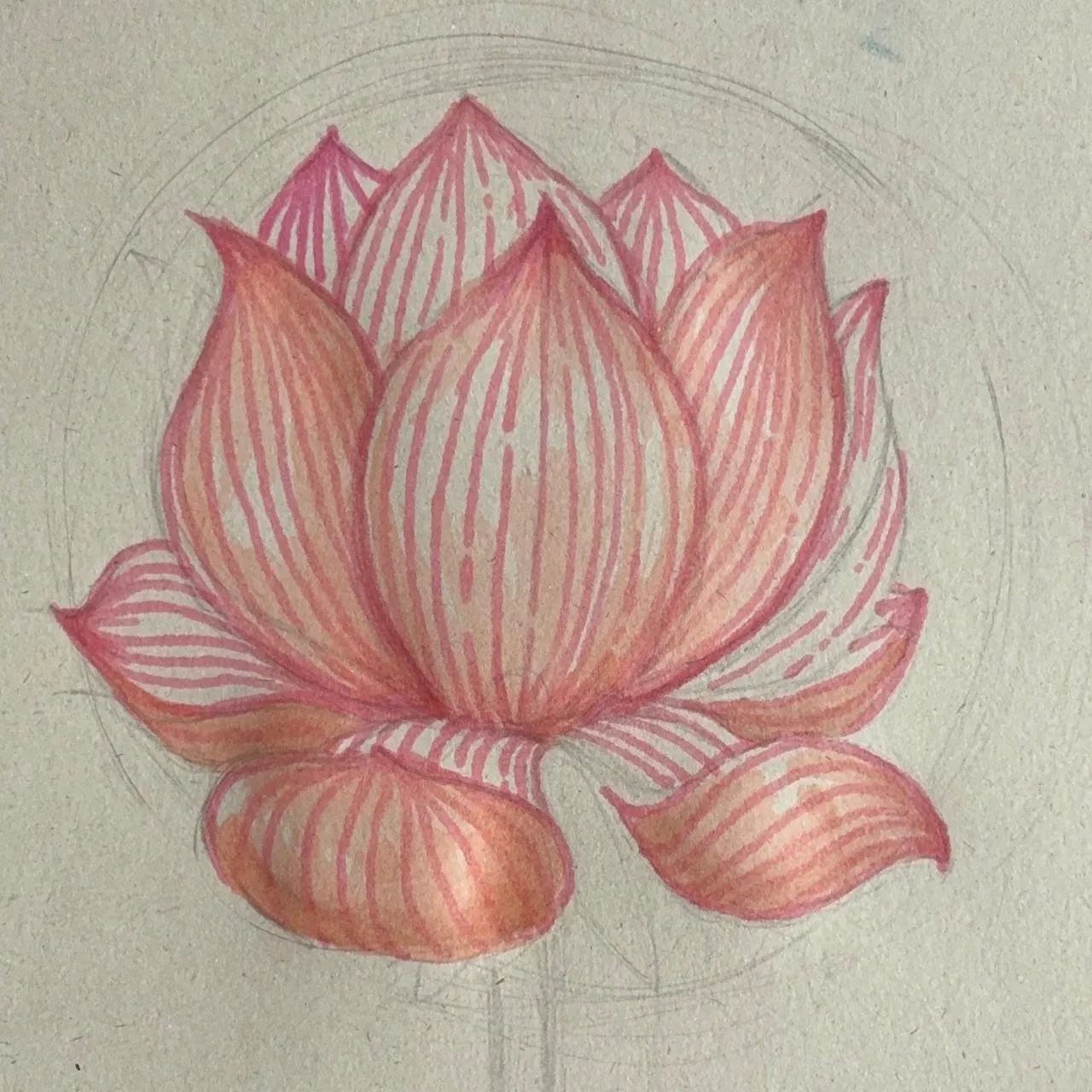
You may have noticed that, in the previous example, not all the petals were colored. This is entirely intentional. The other petals will be drawn in a slightly darker and more matte shade. If you don't have such a color, you can apply a very light layer of green. Since the base is pink, it is better to opt for a mint or aqua shade.
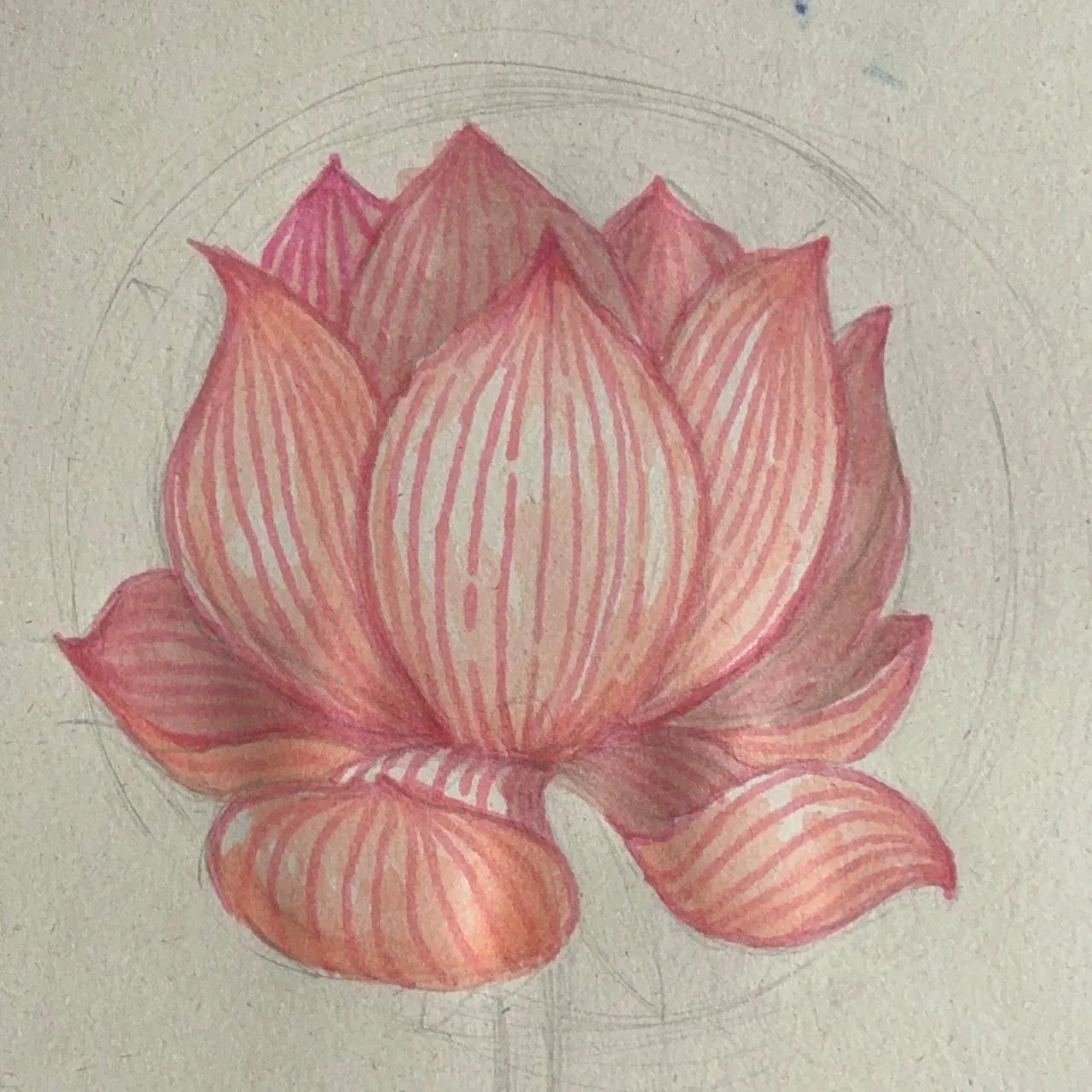
Finalize your drawing
It's time to add more depth. Use more saturated and darker shades to apply strokes in strategic areas to enhance the volume. Avoid completely covering the lighter areas.
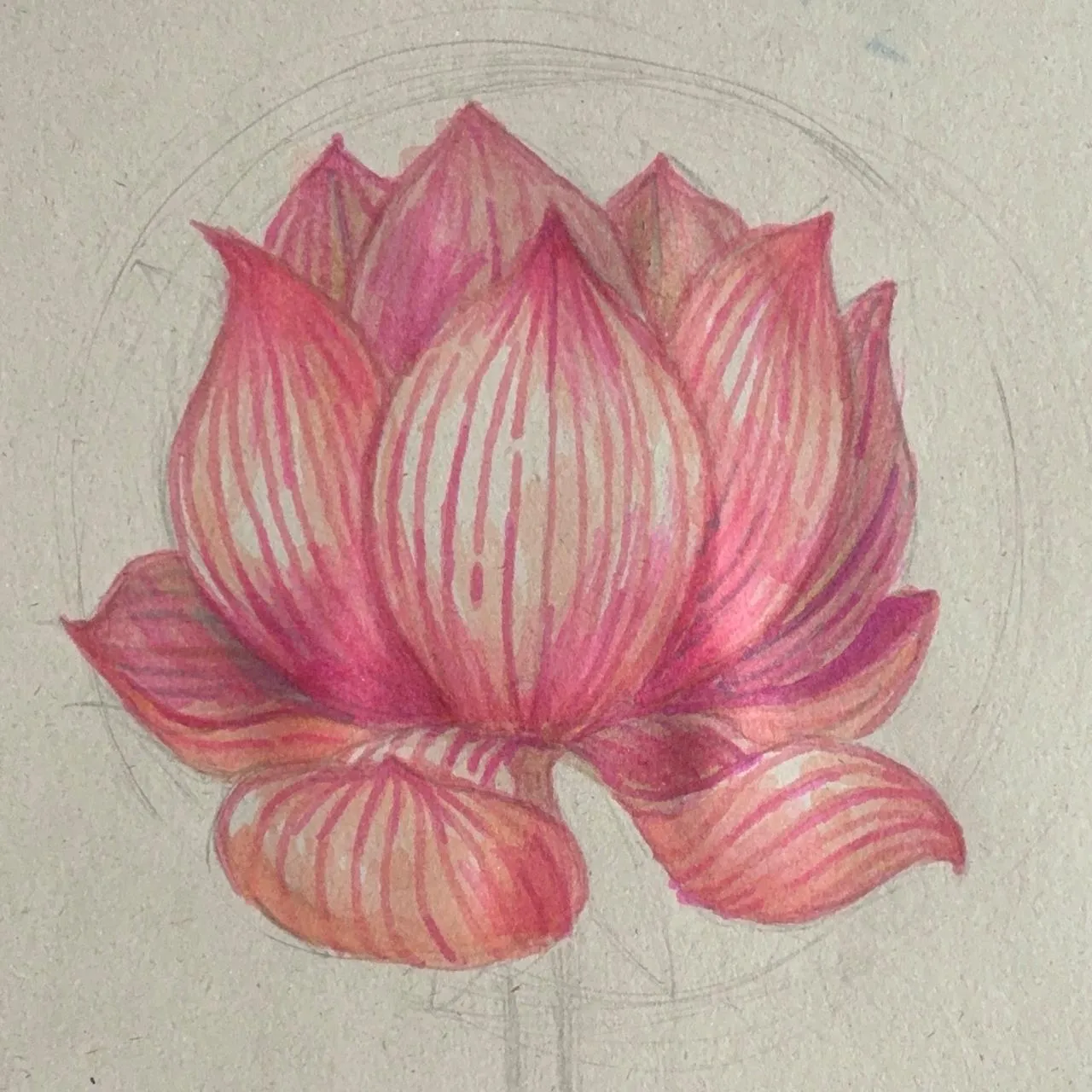
Finally, color the stem with unsaturated greens, so that they harmonize with the warm tones of the flower. Continue to add fine layers of different shades to create color variation and go over the contours if necessary.

Here is our lotus flower! Now it's your turn to create your own version of this unique flower.
Discussion
a beautiful flower thank you for this tutorial
😊 😊😊