
How to Draw an Optical Illusion
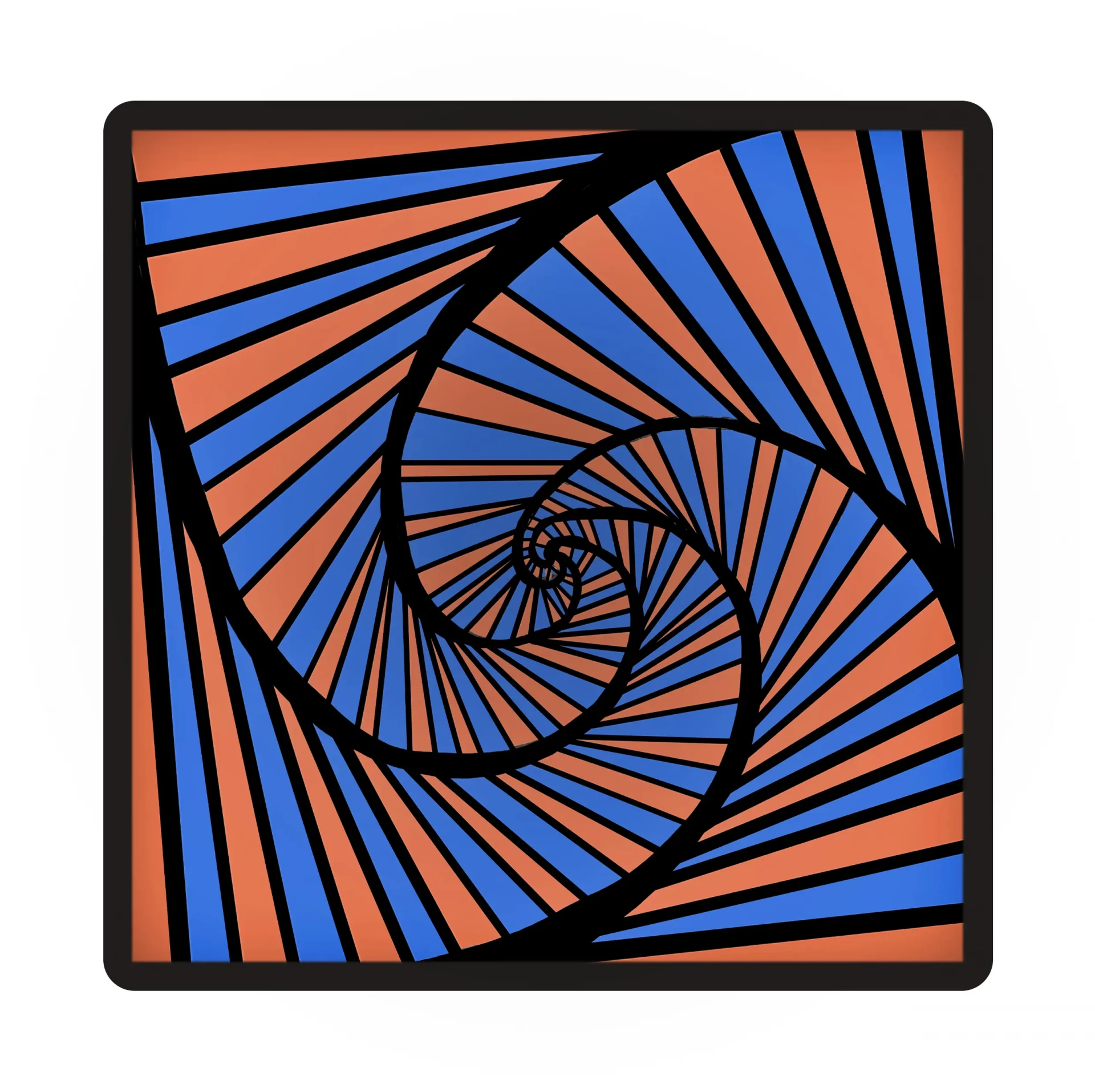
Today, we're going to explore a fascinating and fun topic together: optical illusions.
These drawings that deceive the eye and play with our perception are an excellent exercise to refine your observational skills, sharpen your technique, and, most importantly, understand how our brain interprets shapes, shadows, and volume.
Whether you're a beginner or already experienced in drawing, learning to create an optical illusion is, above all, learning to observe differently.
It's an interplay between what we see and what we think we see.
What is an optical illusion?
An optical illusion is an image that gives a misleading impression of reality.
It plays on our visual perceptions using contrast, perspective, symmetry, repetition, and the effects of shadow and light.
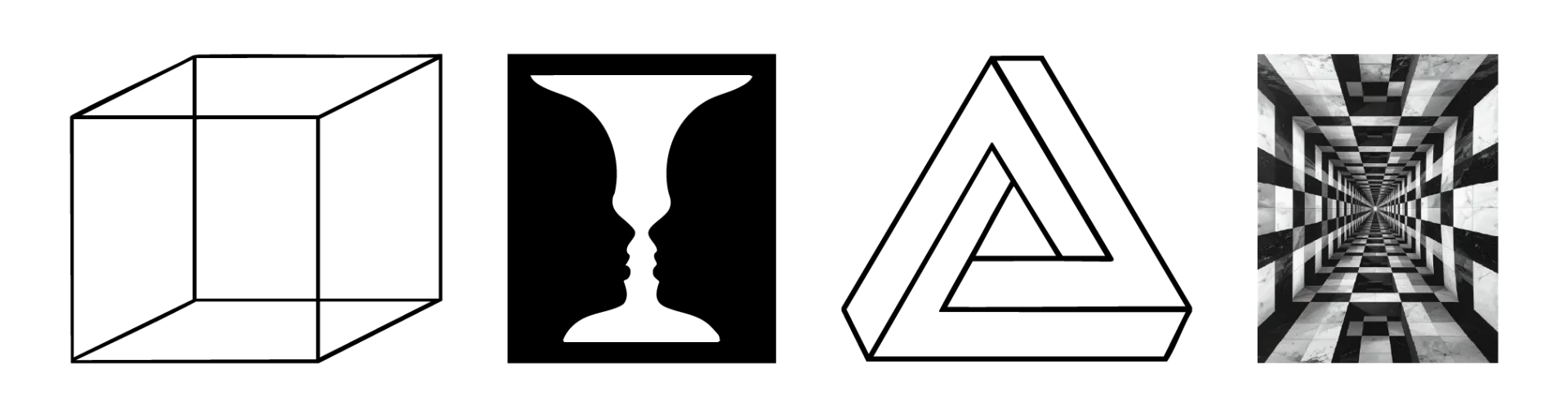
Here are some well-known examples in the images below:
• The Necker cube, which appears to change orientation
• Rubin's vase, which plays with our perceptions
• The Penrose impossible triangle
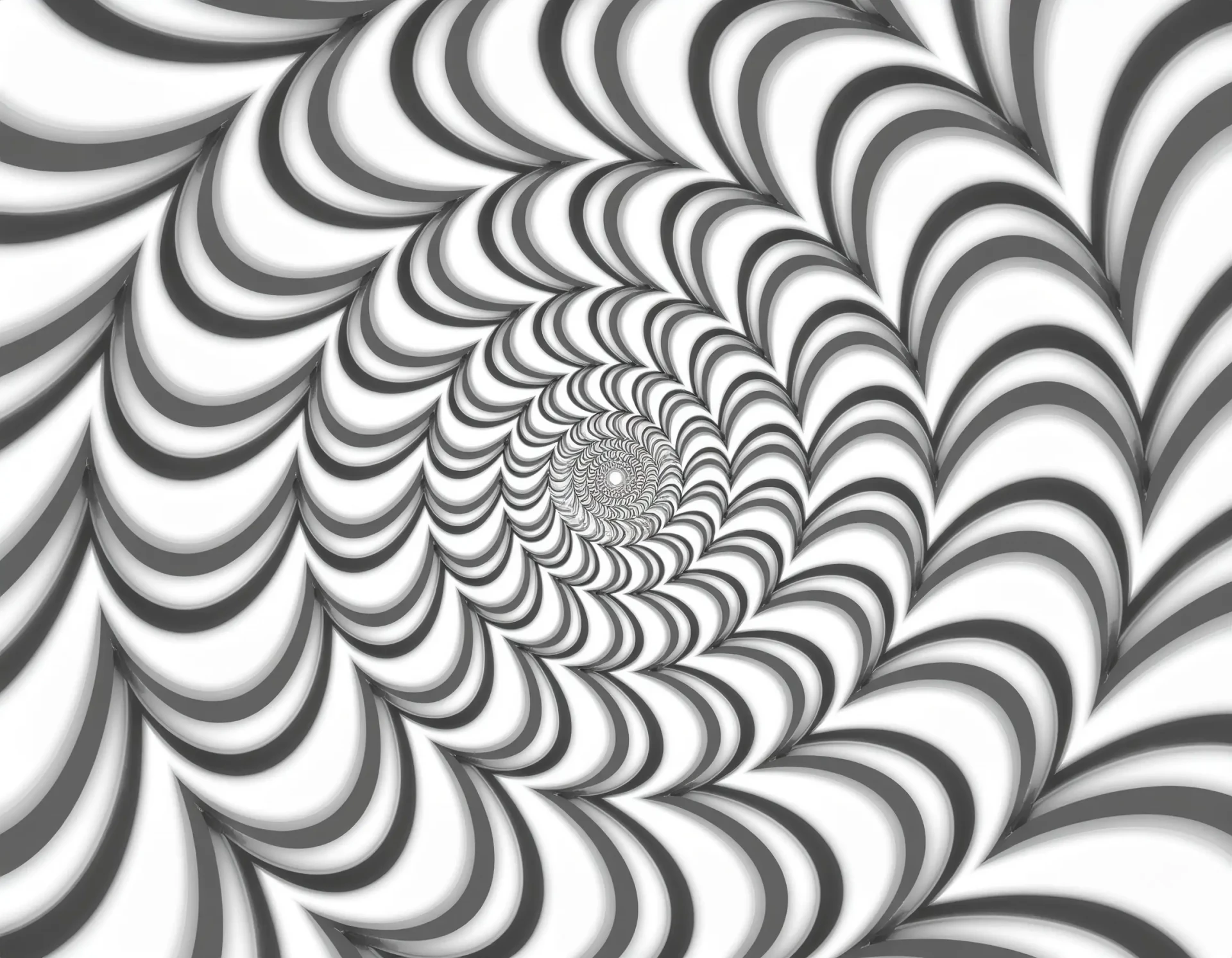
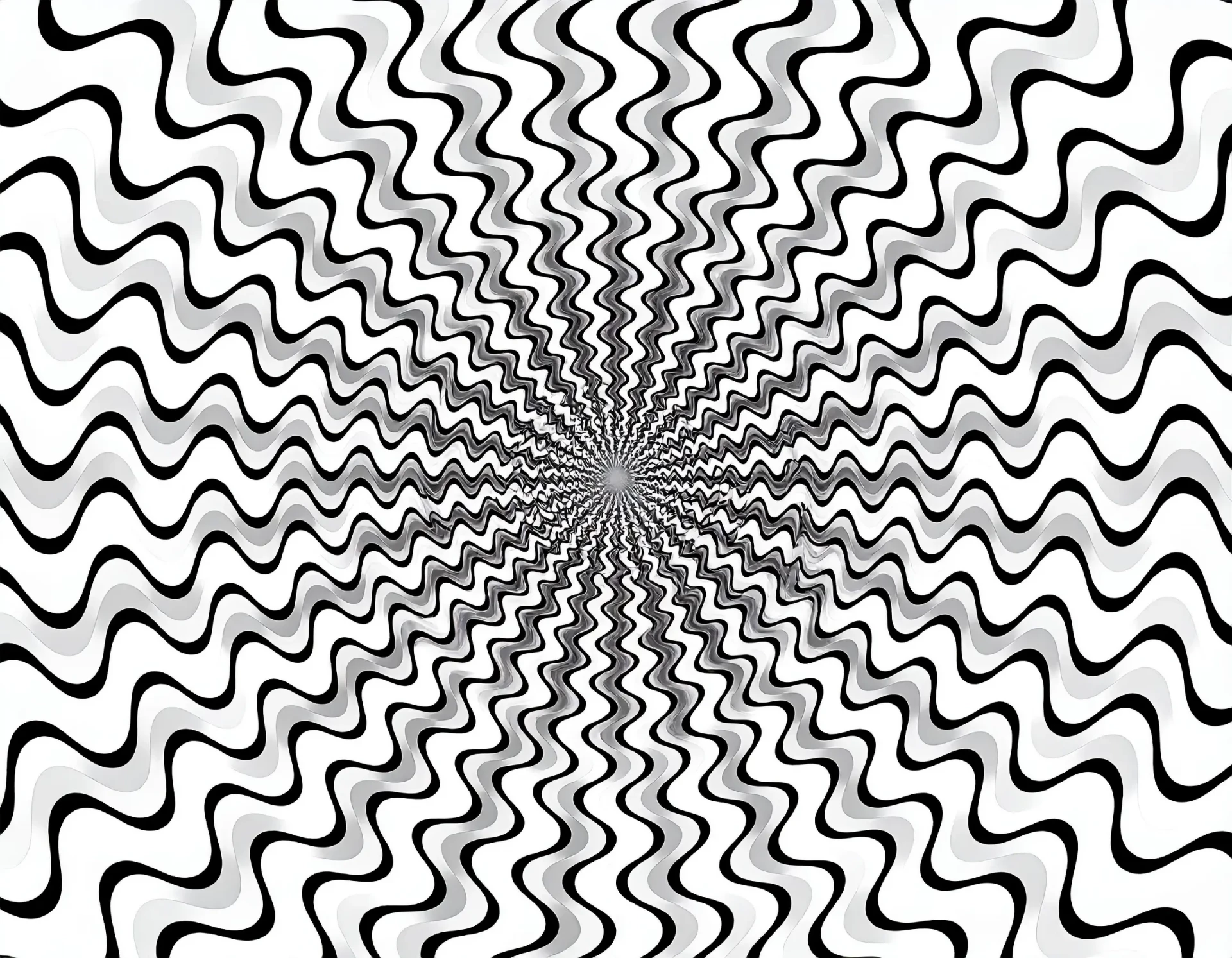
• Hypnotic patterns that seem to move
These illusions all work on a simple principle: our brain seeks coherence.
When it receives an ambiguous or destabilizing image, it tries to "correct" it in its own way… and that's where the magic happens.
Why draw optical illusions?
Working on this type of drawing has several advantages. It helps to:
• Develop your observational skills: you learn to analyze shapes, lines, and contrasts.
• Improve precision: these drawings require accuracy and attention.
• Stimulate creativity: play with perspectives and visual effects.
• Understand visual perception: how a simple line can change the entire view of an image.
It's also an excellent exercise for learning to draw volume and play with shadow in a subtle way.
Draw an optical illusion step by step
1. Prepare your support
Take an A4 sheet of paper and an HB pencil.
Draw a square with 15 cm sides.

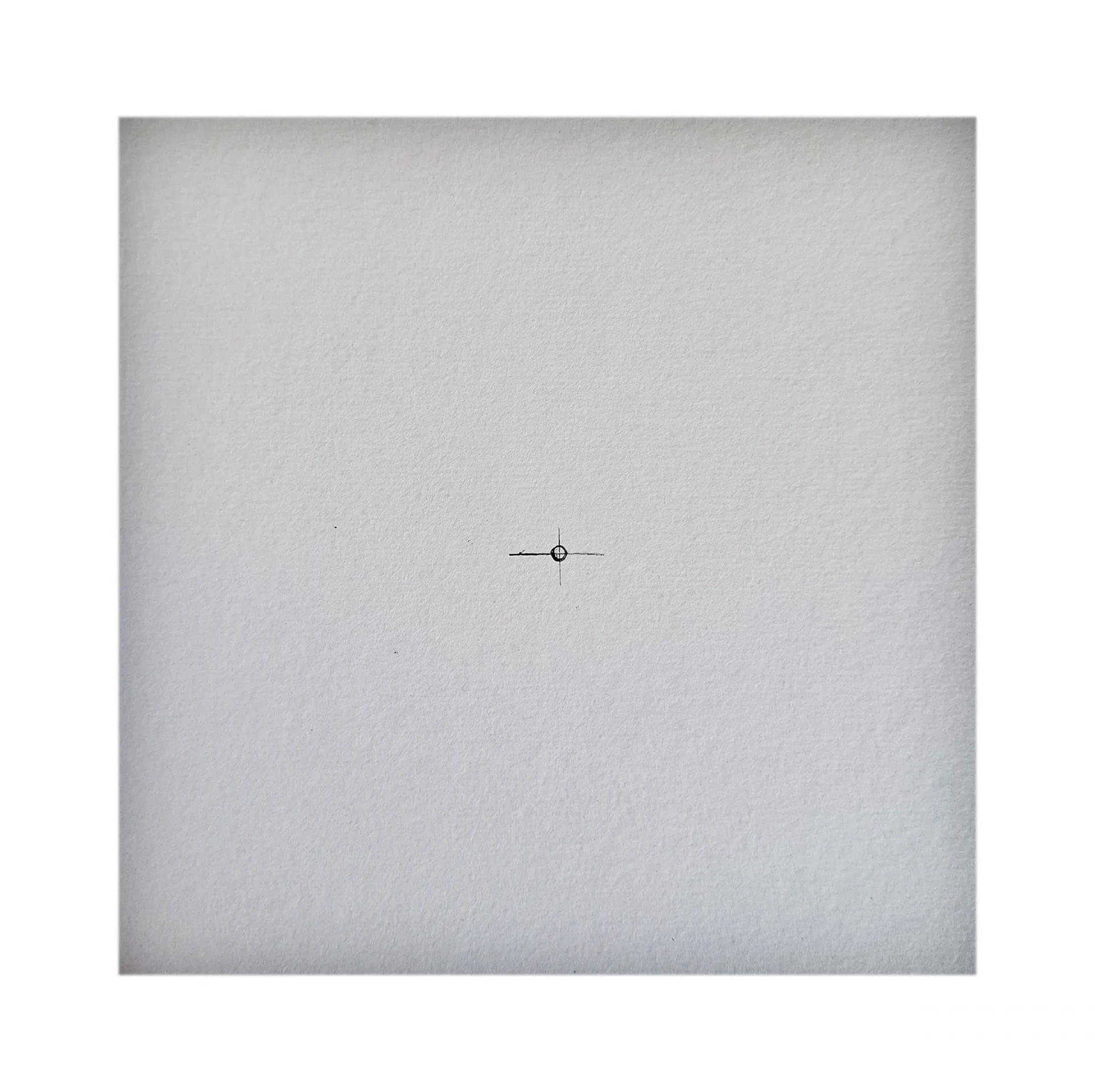
2. Draw a central mark
Draw a central reference point that will help you draw your spirals later on.
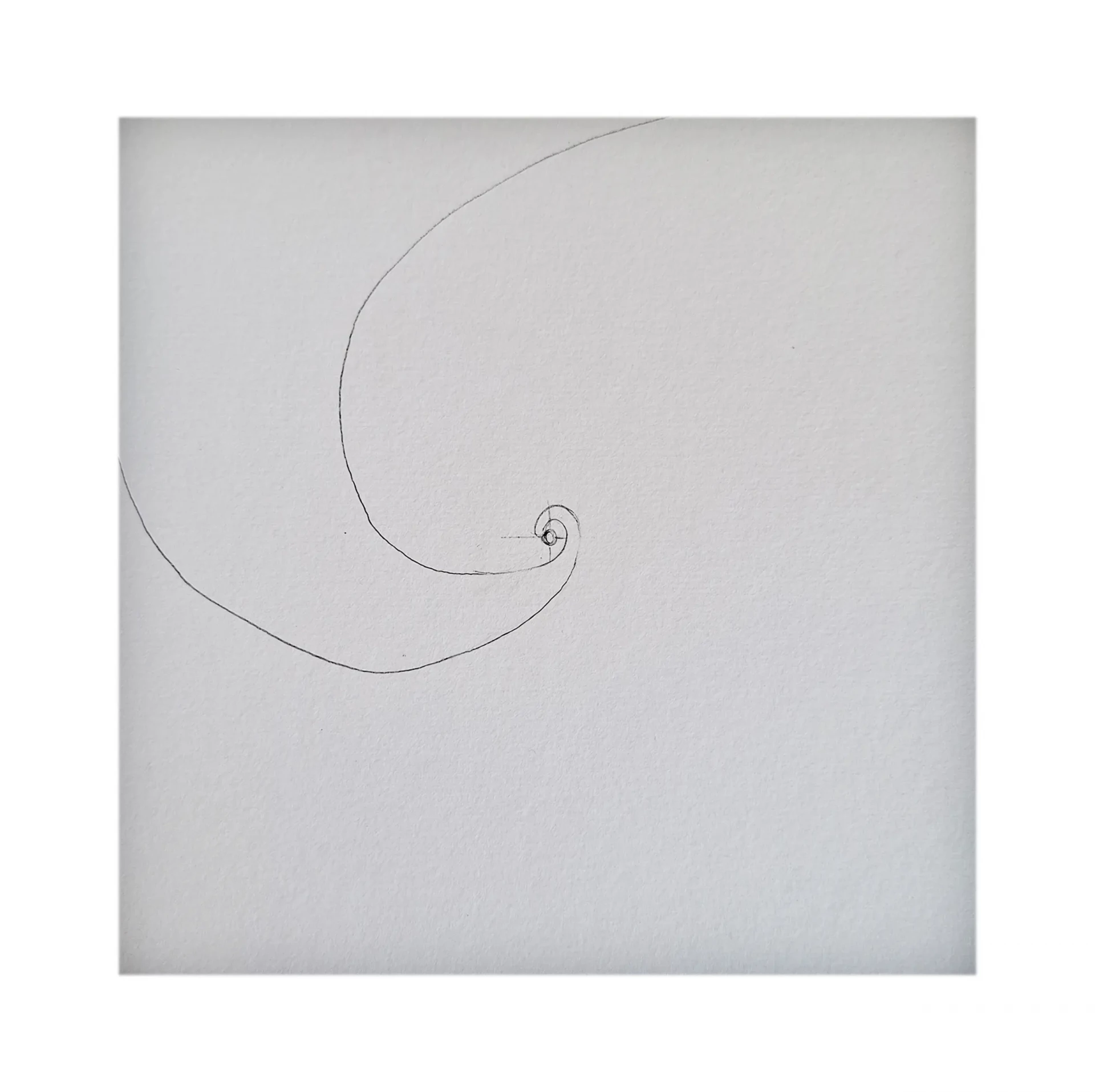
3. Draw the first spiral
For this, note some useful reference points: the start of the curve and the end of the shape on the left side begin roughly in the middle of the square.
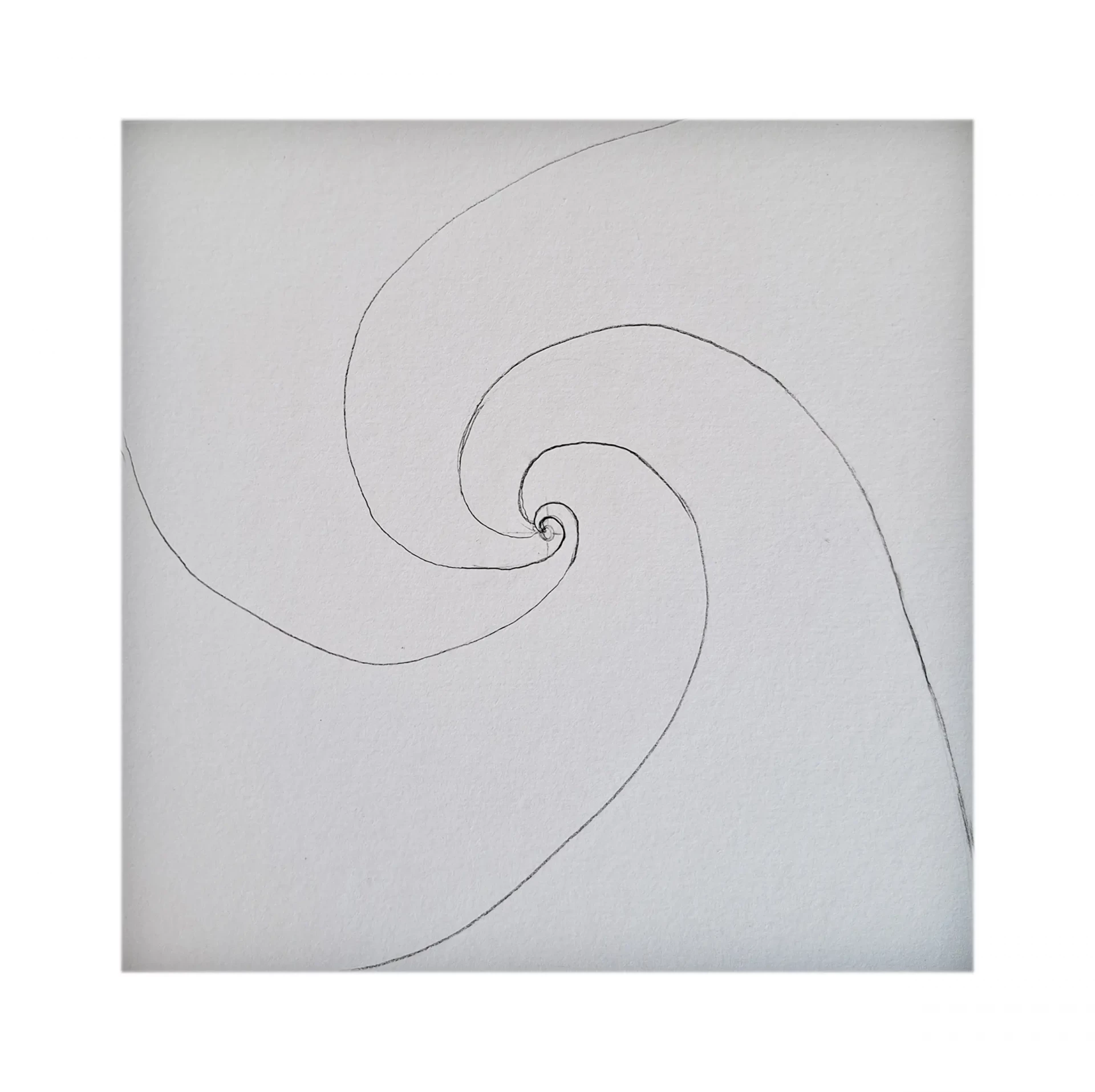
4. Continue to draw your spirals
Continuing with the same approach as before, draw a second, then a third spiral.
Do not seek perfection in your lines, but focus on visual balance and harmony.
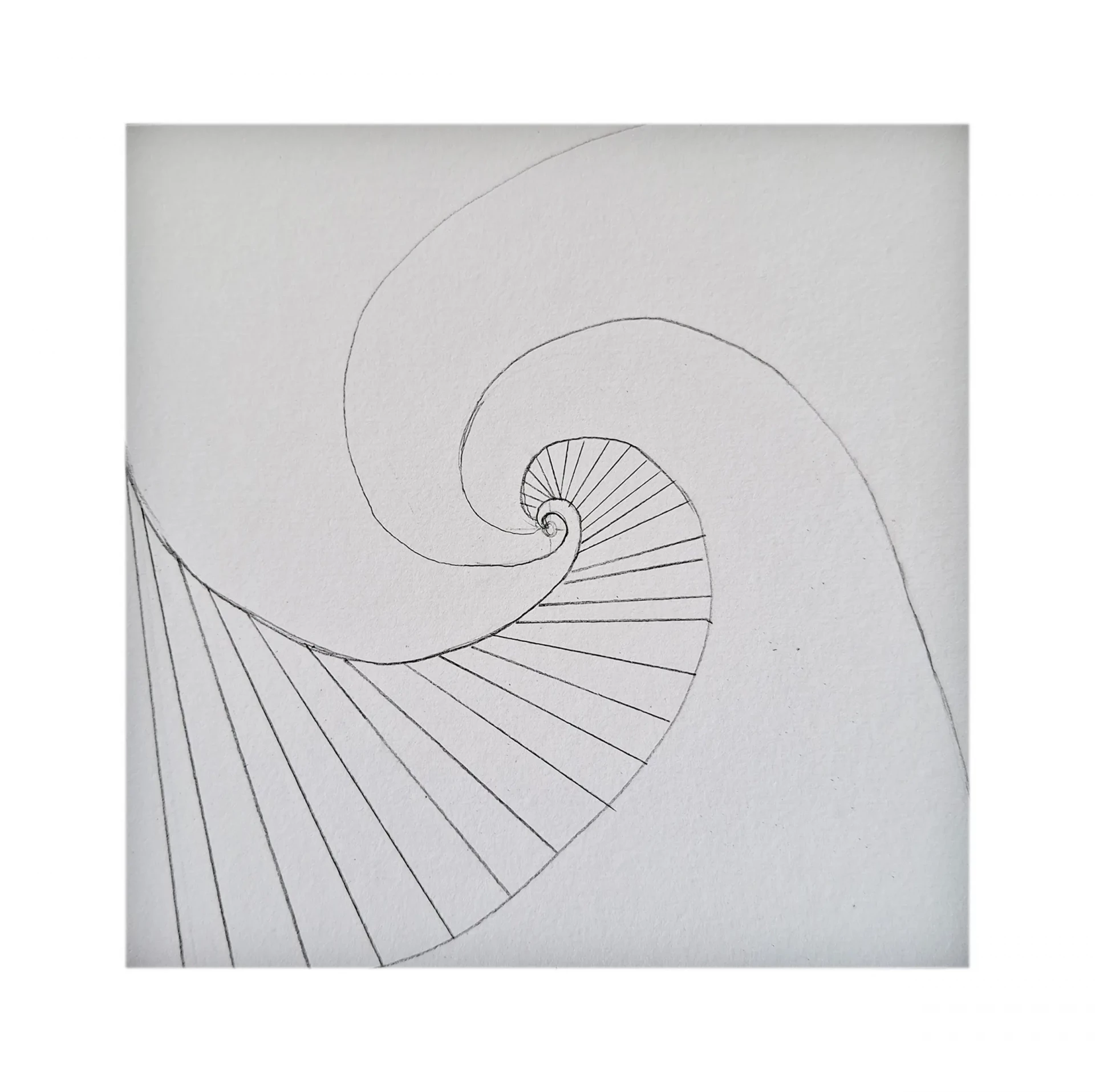
5. Draw stripes
In each spiral, draw — using a ruler — regular stripes that follow the movement of the shape.
Notice that the first stripes are wider, then they become narrower as they go: this creates an illusion of depth.
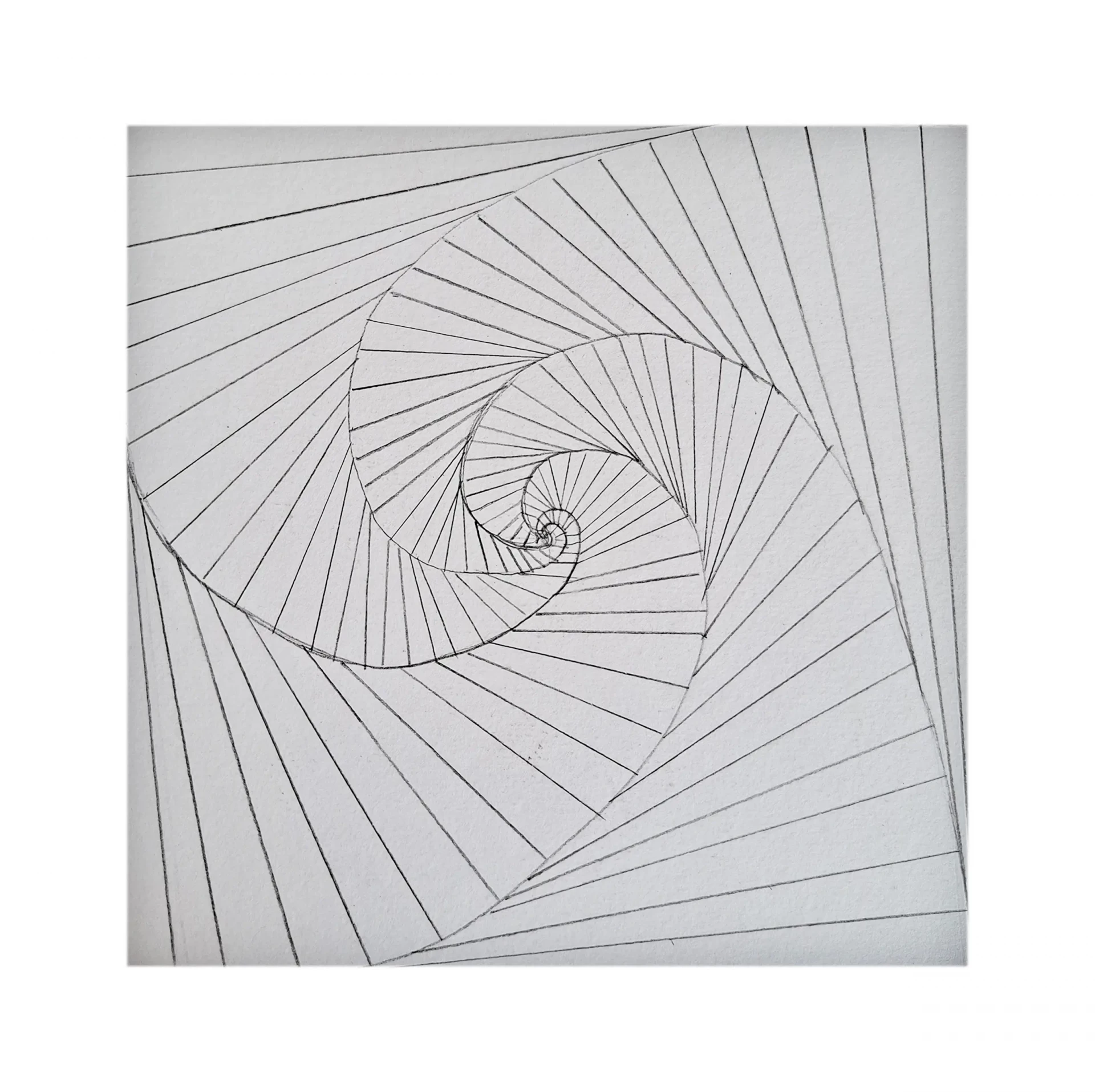
Ink your drawing
6. Ink with a black pen and marker
Use a black pen to go over your lines.
For spirals, choose a slightly thicker black marker to give more emphasis to your drawing.
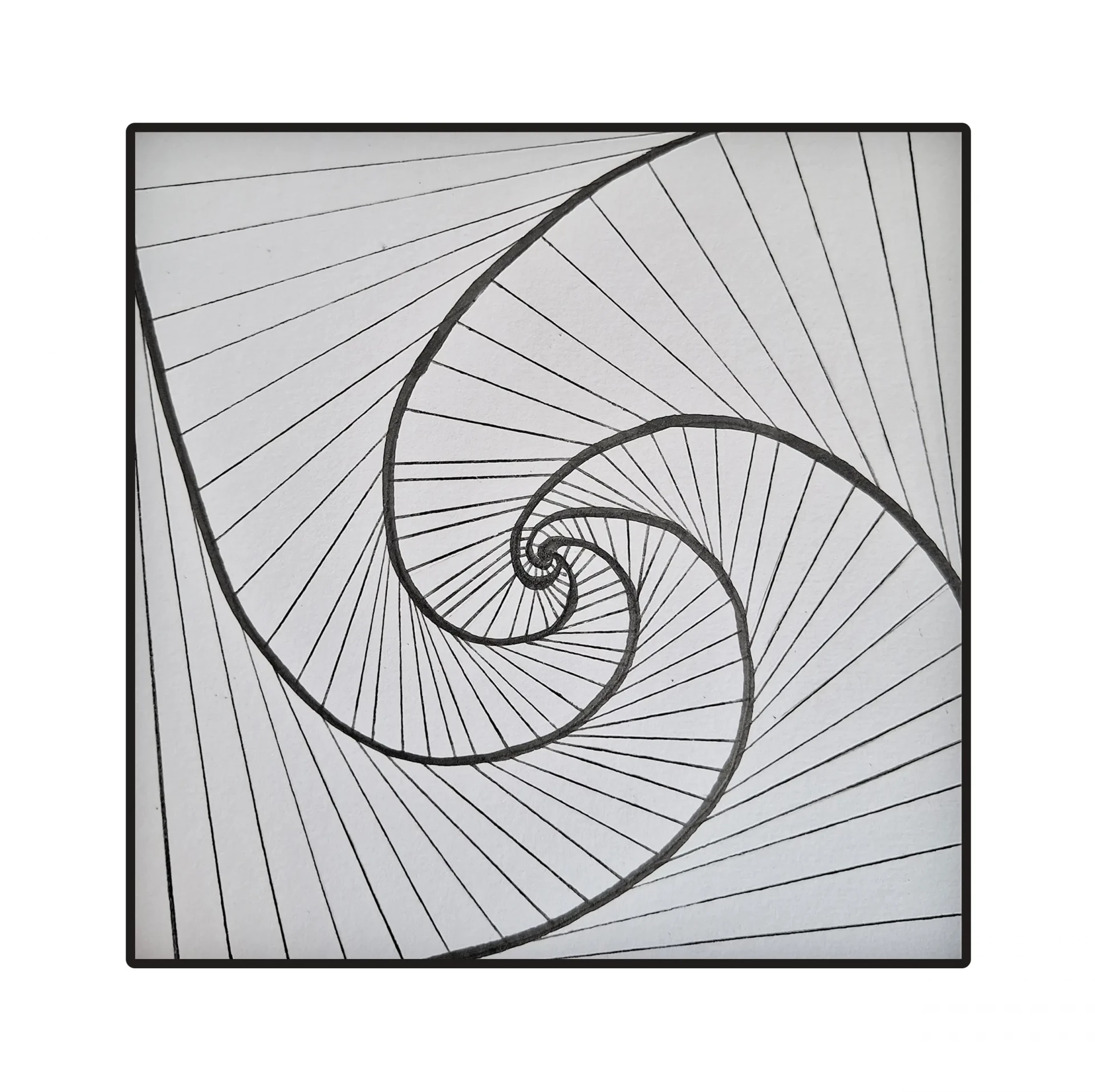
7. Create visual alternation
Option 1: Color every other stripe black and leave the rest white.
The contrast between these areas will start to give an impression of rotation.
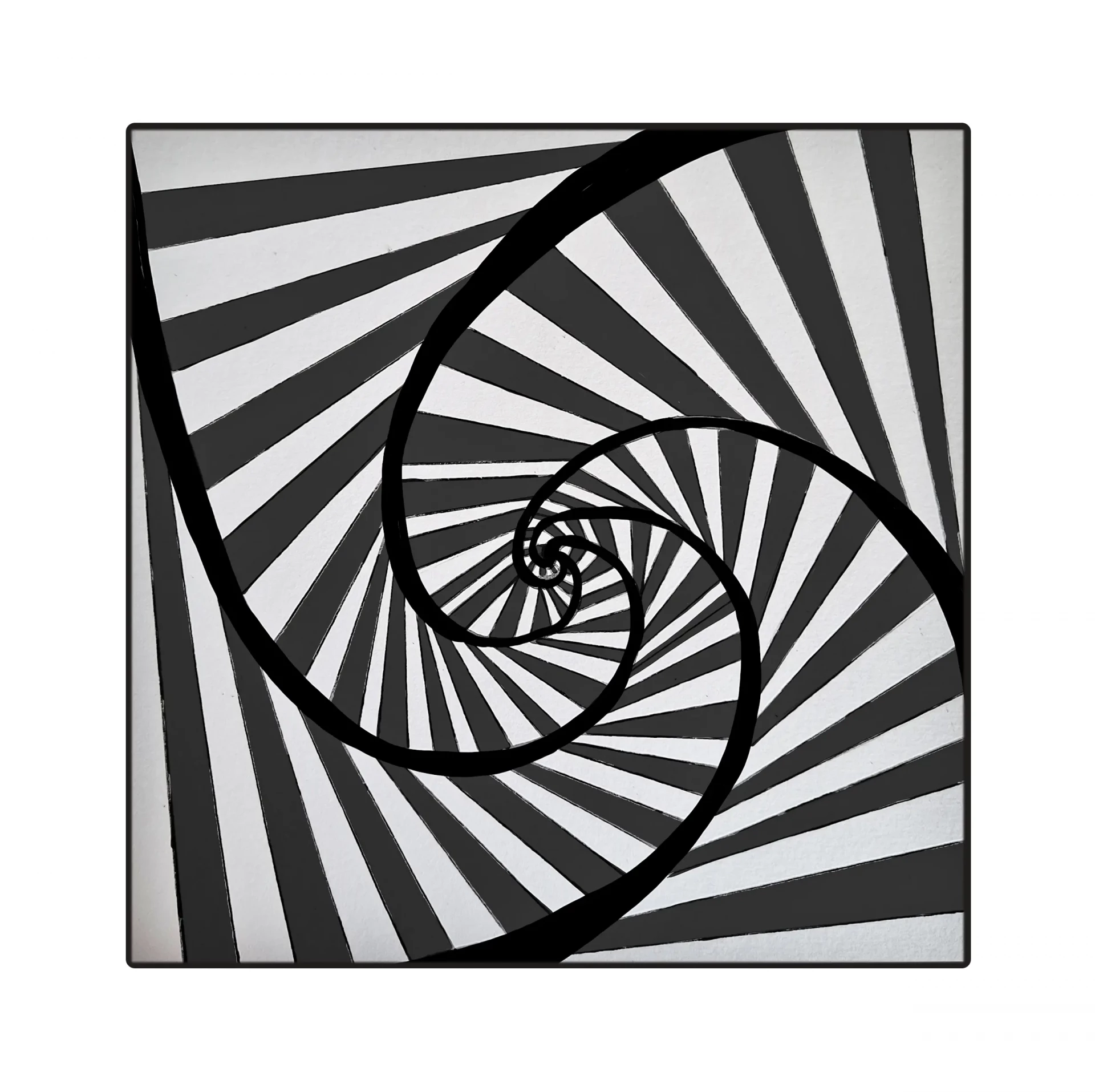
Option 2: in the same approach, color every other stripe using complementary colors, such as yellow and violet, or blue and orange. This creates a very strong visual contrast.
Finally, to emphasize the sense of depth, you can slightly darken the center with a pencil or with a digital gradient.
And there you have it, your optical illusion is complete!
Take time to observe, step back from your paper and look at your drawing:
the center seems deeper, as if you could dive into it.
Some even see the spiral turn slightly depending on the light or distance.

Tips for creating successful optical illusions
• Work on your contrasts: the eye perceives light and dark areas first, so play with these differences.
• Maintain consistency: for the illusion to work, repetitions must be consistent.
• Use a ruler and compass for geometric shapes.
• Look at your drawings in a mirror or from a distance: this enables you to better perceive the visual effect.
• Add realistic shadows: they enhance the depth effect.
• Experiment with color: some illusions become even more striking with complementary shades.
Digital or paper?
Optical illusions also work very well in digital drawing.
Software enables you to duplicate, mirror, and adjust gradients easily.
But working by hand remains an excellent exercise to understand how each line affects perception.
If you are a beginner, alternate between the two:
• Create your reference points by hand.
• Finalize the drawing digitally to explore other renderings.
To conclude, drawing an optical illusion is about learning to play with how we see things.
This is not just a technical exercise, it is also a sensory experience: you create something that seems to move, float, or distort... when it is only lines on a sheet.
It's a wonderful way to develop your accuracy, creativity, and visual curiosity.
Remember: a successful illusion does not depend on perfection, but on the balance between precision and subtlety.
Discussion
It wasn't very clear, your instruction sorry man but my drawing is anything but an illusion 😅