
Black Chalk or Charcoal: What Are The Differences?
At first glance, charcoal and black chalk seem similar, two dark drawing tools that have been used for centuries. But in practice, they are almost opposites. In this article, we compare their qualities, their differences, and how they can complement each other in your drawing practice.
Whether you are a beginner or more experienced, understanding the difference between these two tools can really change the way you approach a drawing. Because choosing the right material at the right time is part of an artist's work.
Nature and composition: two very different origins
Charcoal is vegetable carbon, a material made from charred wood, which gives it its unique pictorial qualities. Its organic composition is directly responsible for its light and powdery texture, which makes it so easy to work with and blend.
Black chalk, on the other hand, is traditionally a mineral obtained from clay and soot. Today, an oily binder is often added to it to make the stroke softer and more even. It is this composition that gives it its characteristic strength and its ability to produce strokes of great precision.
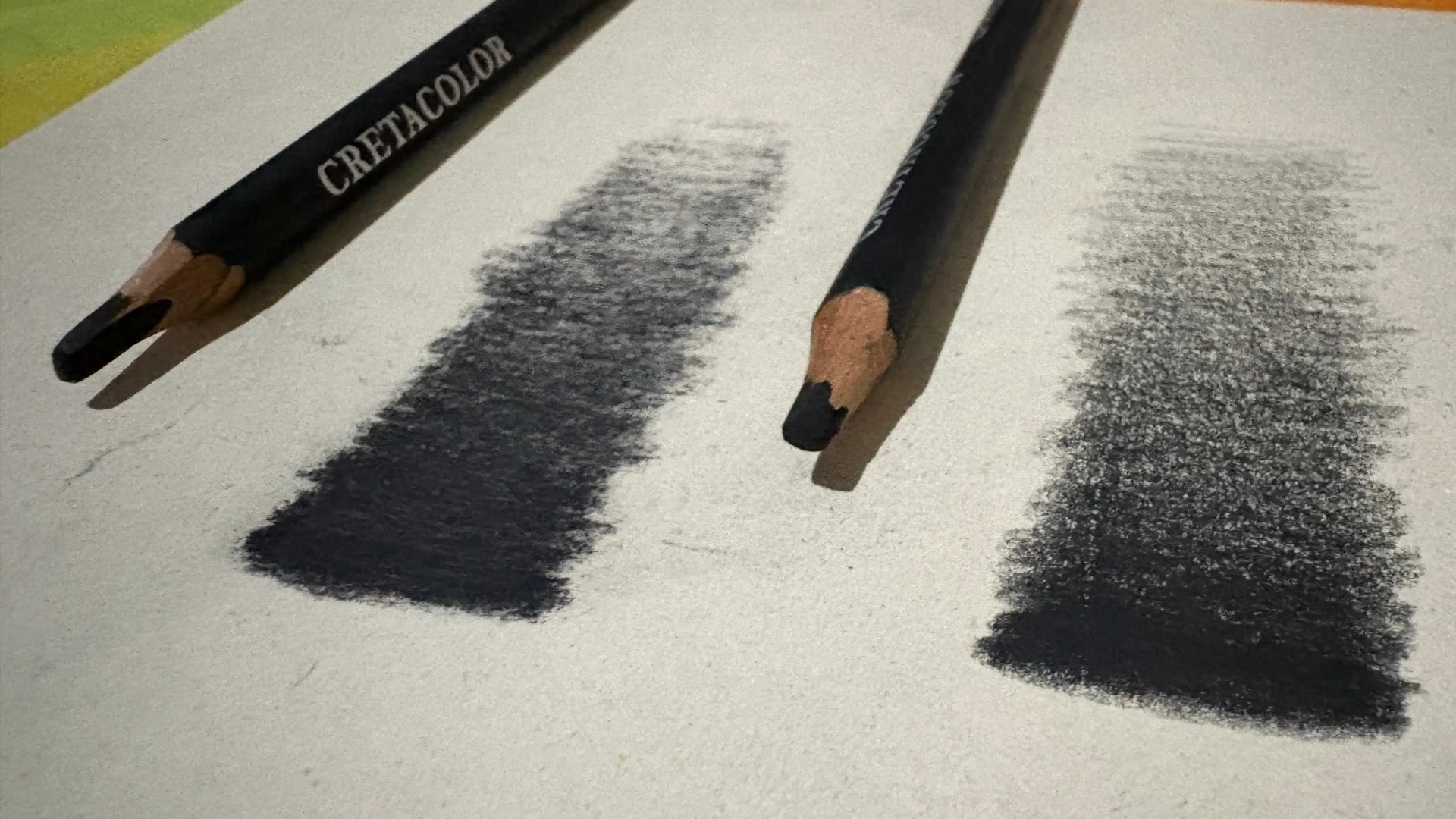
Black chalk vs. charcoal: the key differences
So, I will now present the key characteristics that distinguish these two competitors.
Adhesion to the surface
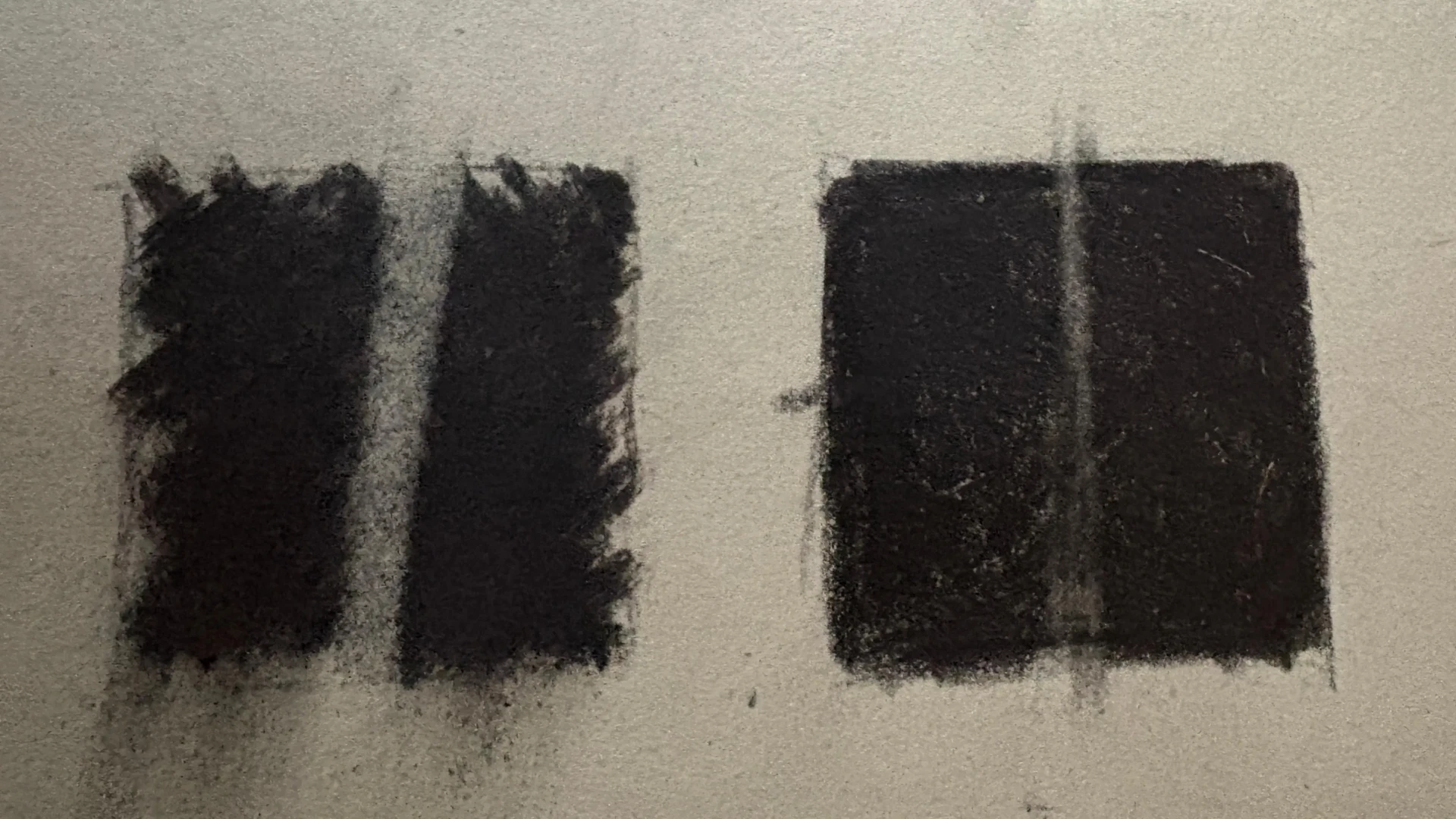
Charcoal is very volatile and easy to remove; its composition makes it a powder with no adhesive properties. Black chalk is its complete opposite: its structure makes it extremely resistant, to the point that erasing it becomes an almost impossible task.
Depth of black
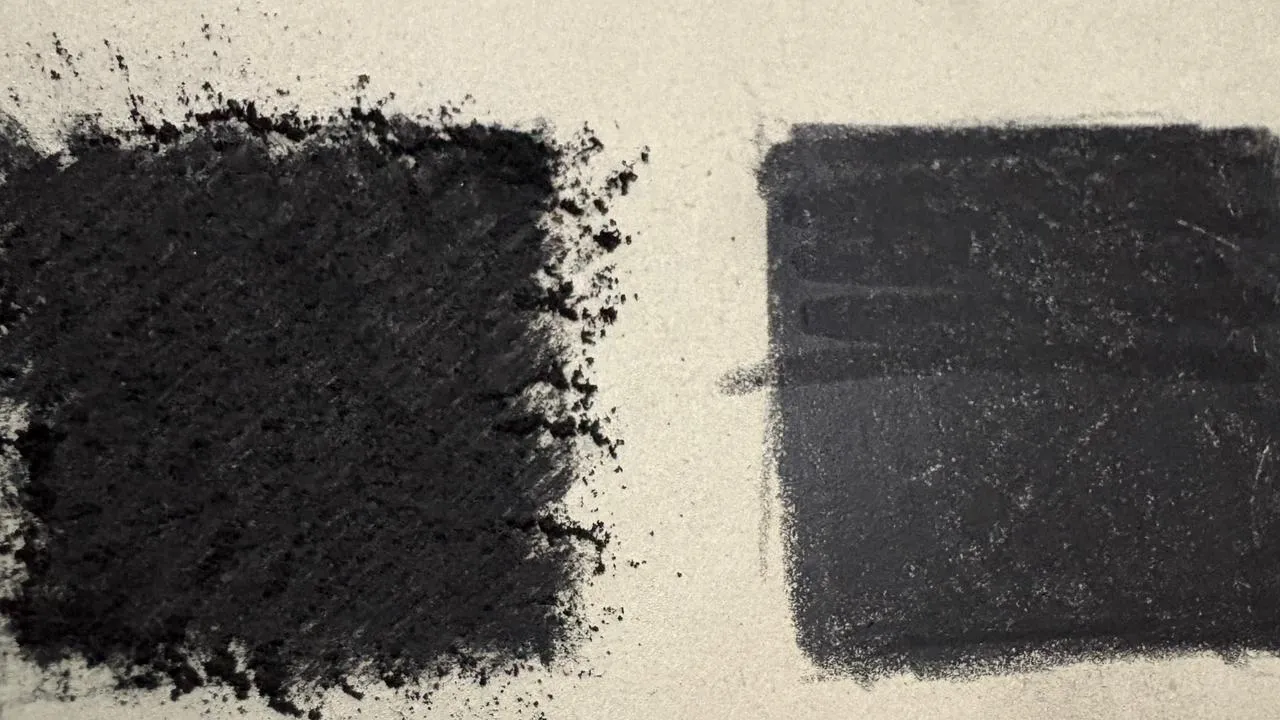
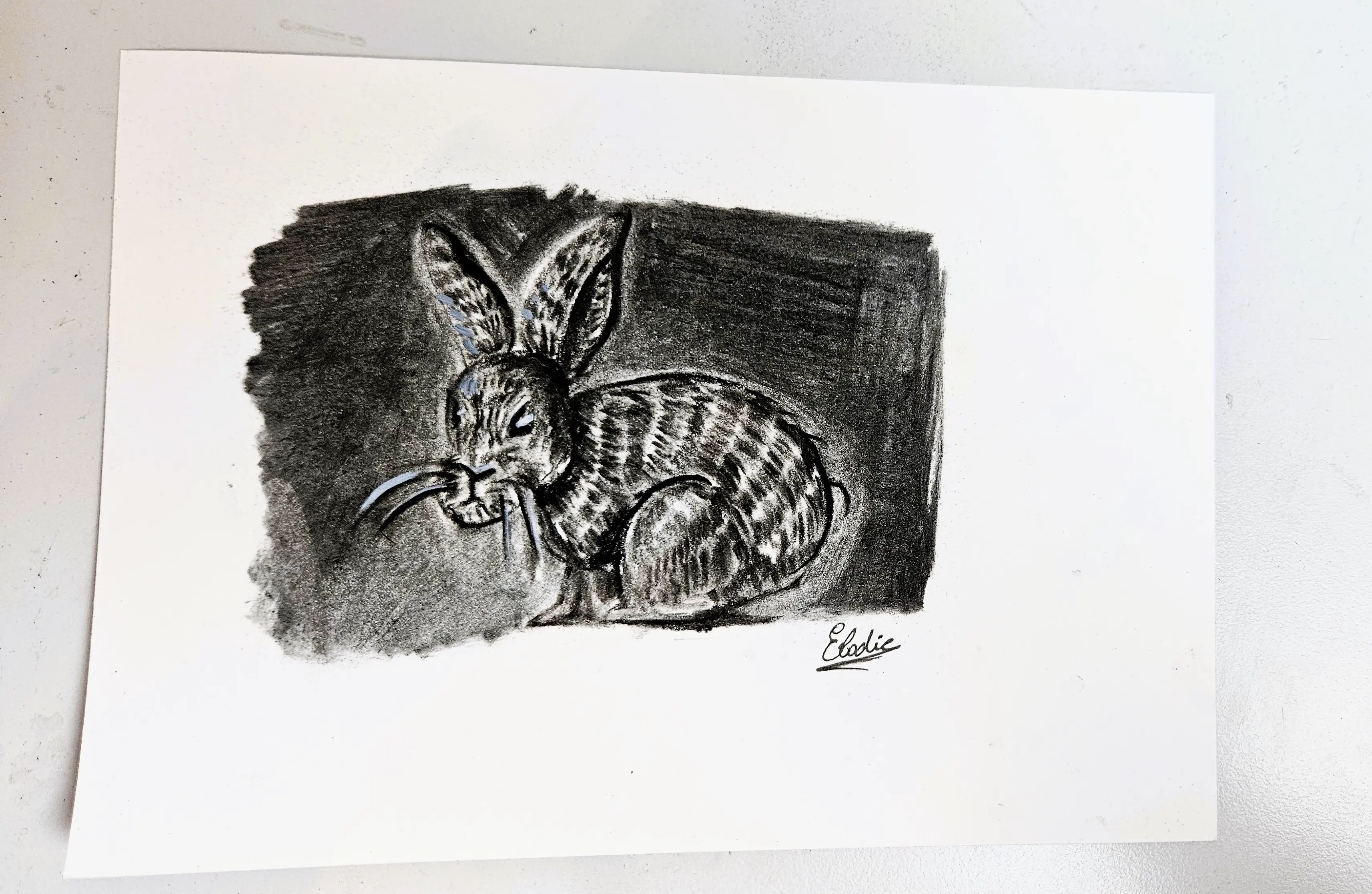
Both produce darker lines than graphite, a quality that clearly distinguishes them from most other drawing tools. Charcoal leaves a matte mark, without any light reflection, which gives it a very particular visual depth. Black chalk is very similar; it has a slight sheen due to the greasy binder, but this remains subtle enough not to detract from the perception of deep blacks. In both cases, therefore, it is possible to achieve very intense blacks, impossible to obtain with a simple graphite pencil.
This is also one of the reasons why these two materials have long been favored for portrait studies and expressive drawings, where the richness of dark tones is essential.
Types of lines
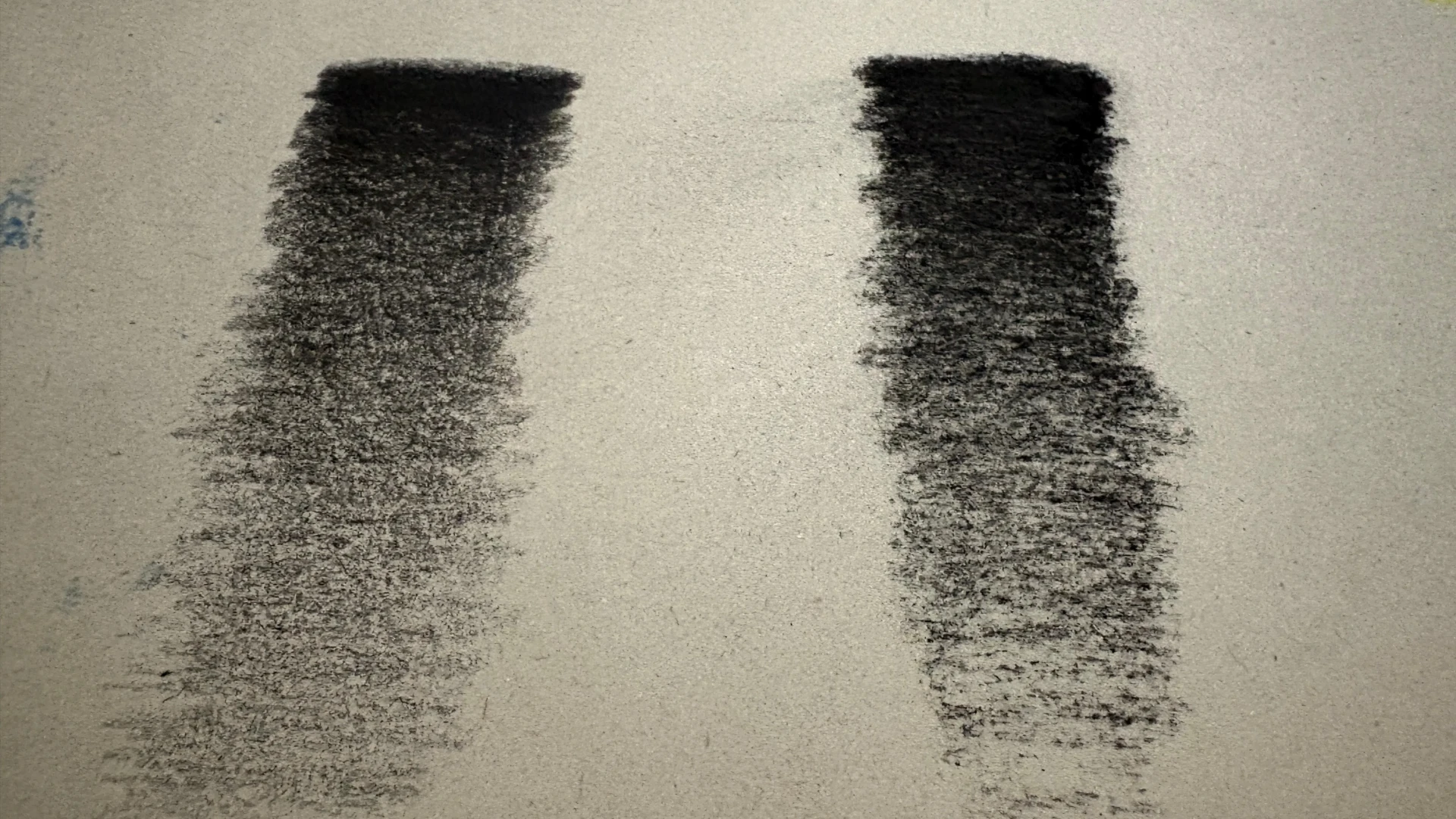
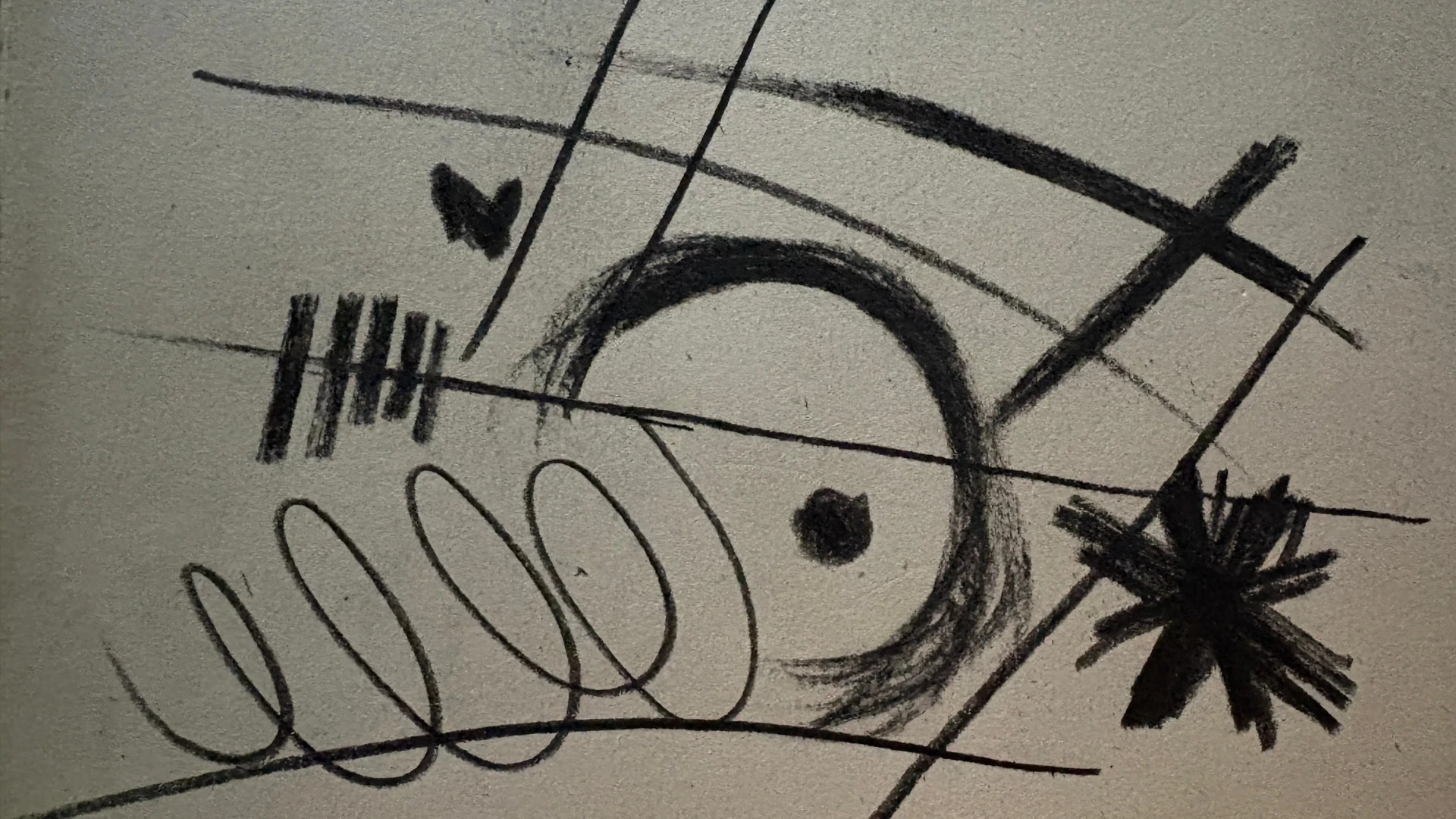
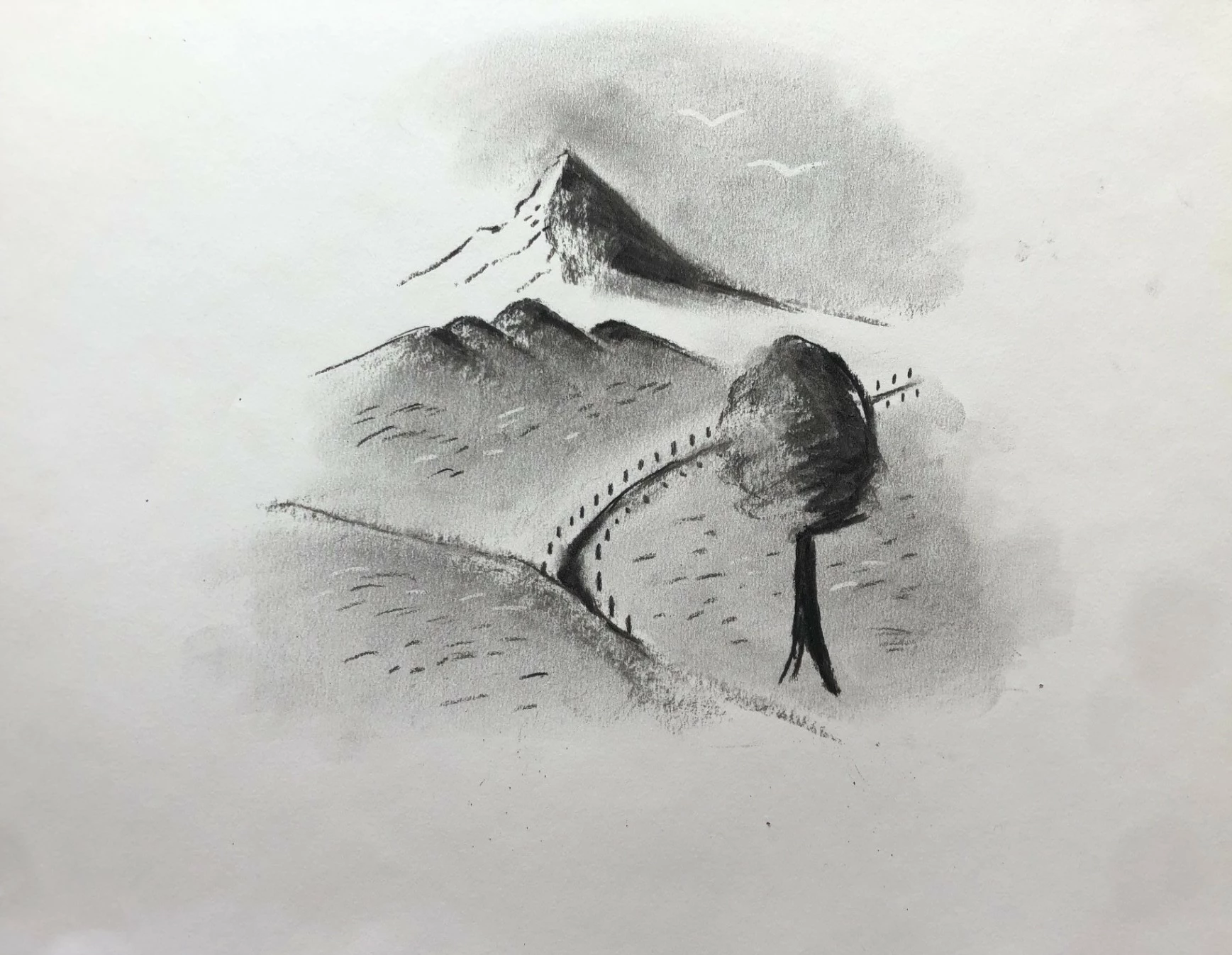
This is where the difference is most noticeable, and perhaps the most useful to know when choosing the right tool for the situation. Charcoal leaves a rough and textured line, which is easily blendable with fingers or a blending stump, and ideal for creating gradients and large layers of tones. Black chalk, on the other hand, is almost exclusively used for fine and dense lines, with a precision that charcoal cannot achieve.
Error correction
Charcoal allows you to almost completely erase and easily remove pigment, making it perfect for sketching and modeling. Black chalk, thanks to its durability, is more suitable for final line drawings, where corrections are difficult.
It is this fundamental difference that explains why the two materials are often used together rather than separately. Charcoal for building and exploring, black chalk for affirming and finalizing - each has its place in the creative process.
Two opposites that are not so different
Despite their differences, charcoal and black chalk share some common features. They are two very old drawing materials, predating graphite, and were commonly used by Renaissance masters for their studies and sketches. Both are made from carbon: in its pure, plant-based form for charcoal, and soot from combustion for black chalk.
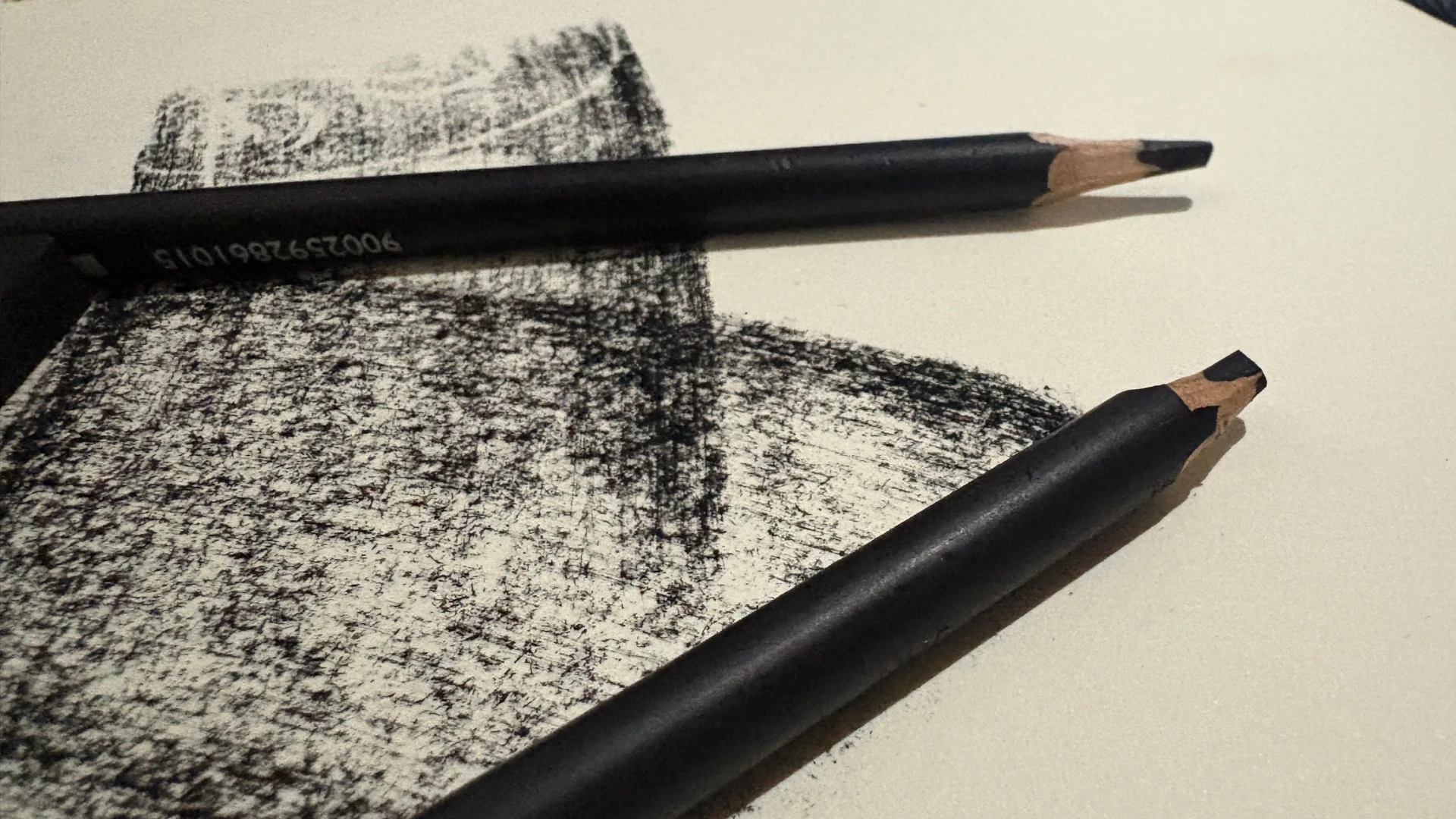
Both are dry materials that require a granular or textured paper to adhere properly. Without this texture, their good adhesion becomes difficult, if not impossible, which is an important point to keep in mind when choosing your support.
Black chalk and charcoal: how to use them together
In reality, these two materials have worked together for centuries, as the qualities of one compensate for the weaknesses of the other.
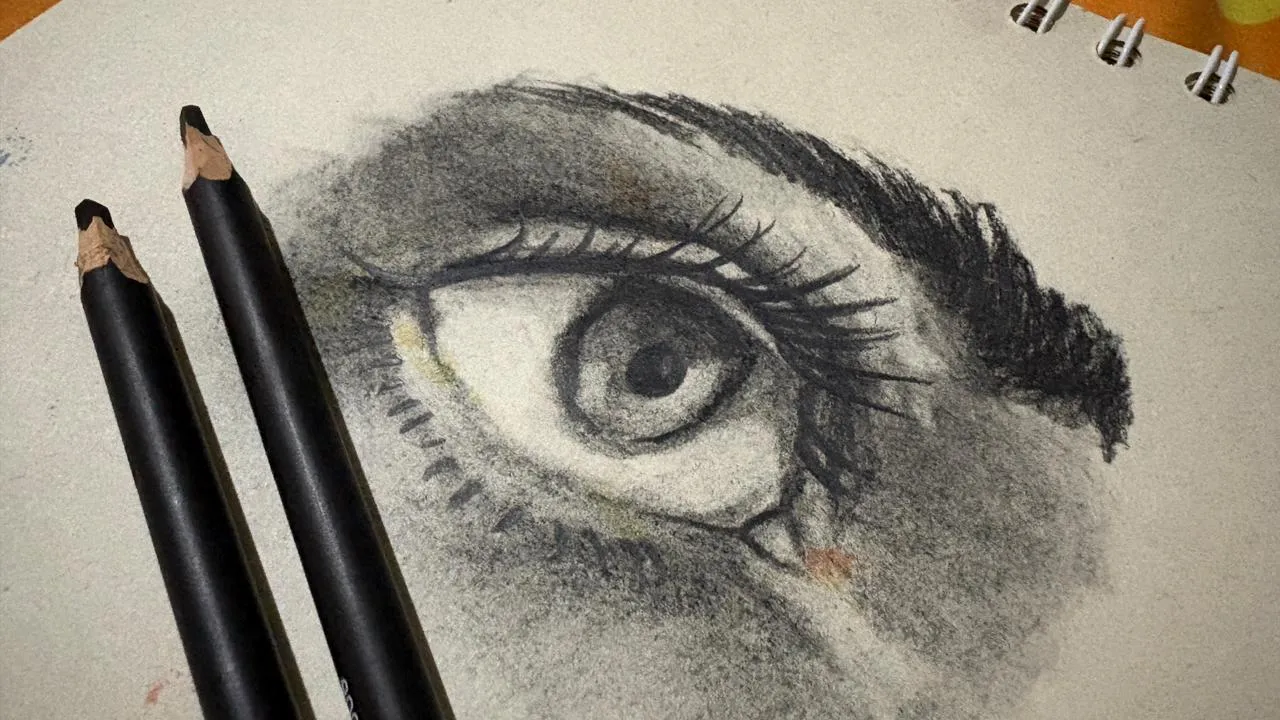
Charcoal is preferred for the conceptualization and sketching phases; you can erase, blend, and start over as many times as necessary. Black chalk takes over to define the details on the layer of volumes and shadows created with charcoal. Together, they enable you to create portraits, still lifes, and landscapes where expressive shadows and firm, solid lines coexist. This is a combination that I strongly encourage you to explore, because it opens up possibilities that neither one can offer on its own.
Charcoal and black chalk are not really rivals; they are two complementary tools that are best used together. Now that you know the qualities of each, all that remains is for you to try them and find out how to integrate them into your own practice. See you soon!
Popular Articles
Discussion
No comments yet.