
How to Draw in Two-Point Perspective
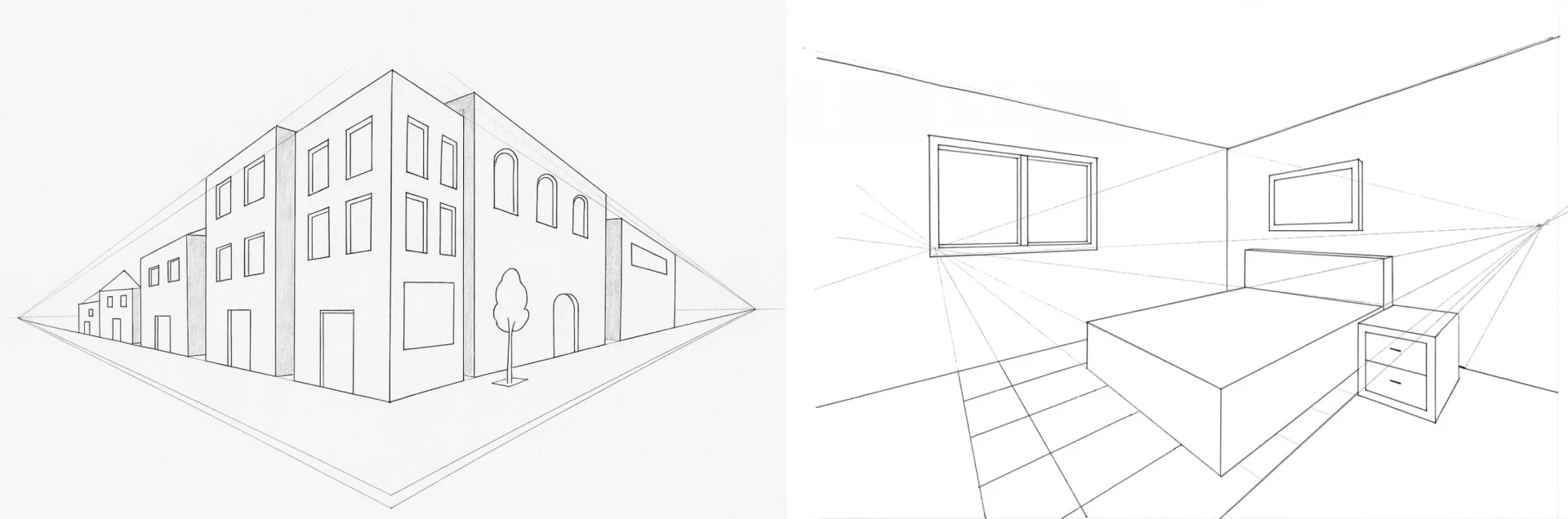
Hello everyone, today we're going to explore an essential technique to add depth and realism to your drawings: two-point perspective. It's ideal for depicting buildings, streets, or any object seen from an angle. You will see that with a few simple rules, you can quickly create very convincing scenes.
What is two-point perspective?
Two-point perspective is a method used to represent an object or scene viewed from an angle, where neither the front nor the side face is fully visible. Unlike one-point perspective, where all lines converge towards a single central point on the horizon line, here the parallel lines of the subject head towards two distinct points, placed on either side of this line. This system enables more realism and depth in a drawing, making the view closer to what the human eye perceives.
This is the ideal technique for drawing streets, buildings viewed from a corner, or any three-dimensional elements that are not aligned facing the observer.
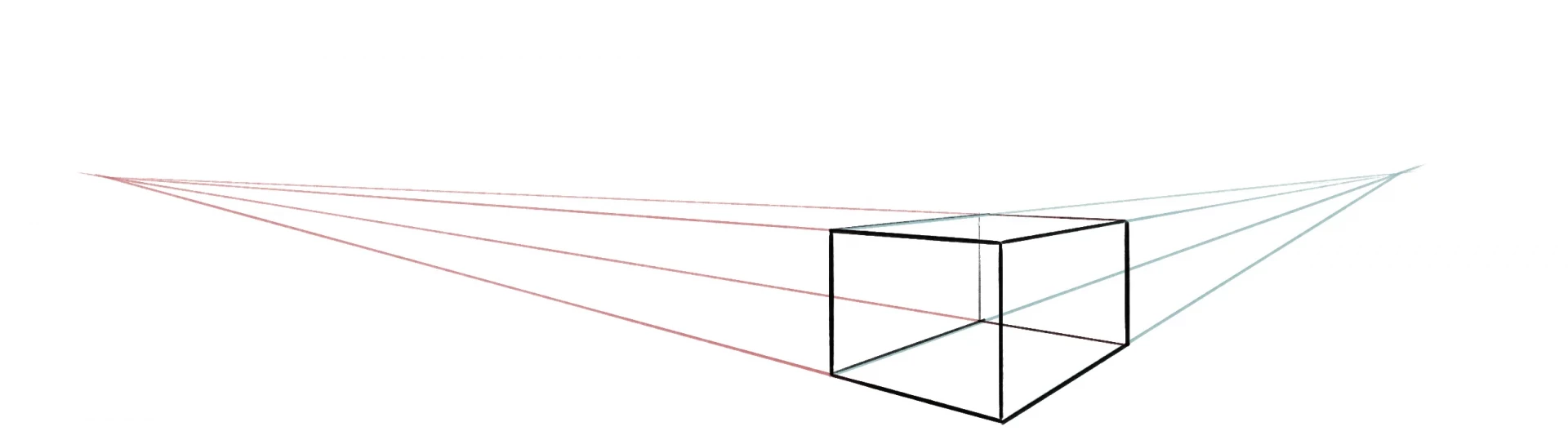
Draw a basic form in two-point perspective
I'm going to show you how to construct a two-point perspective step by step:
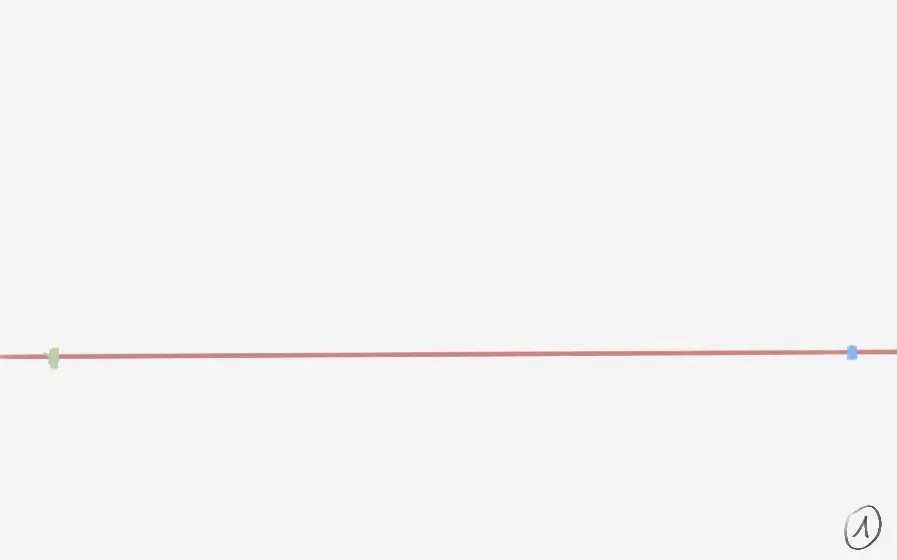
1. Draw the horizon line and place the vanishing points.
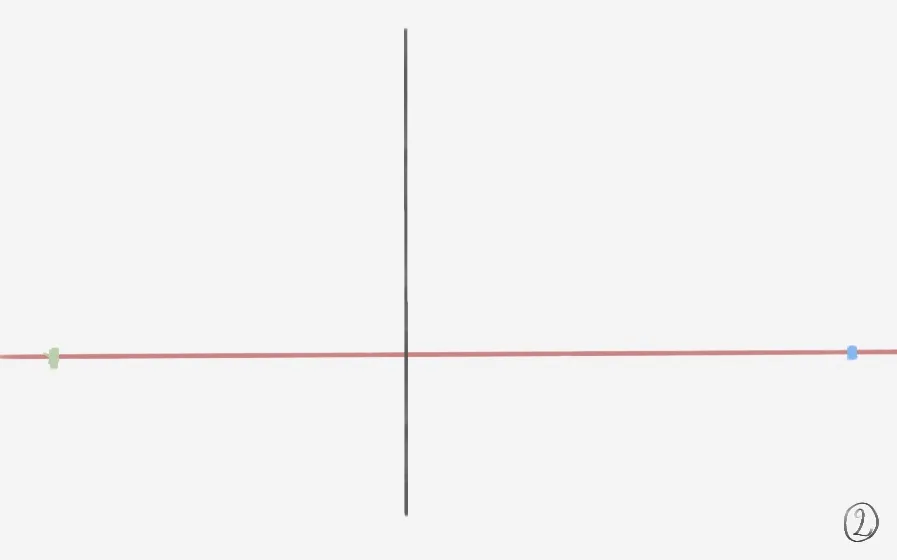
2. We place a vertical line, which corresponds to the central axis of the cube.
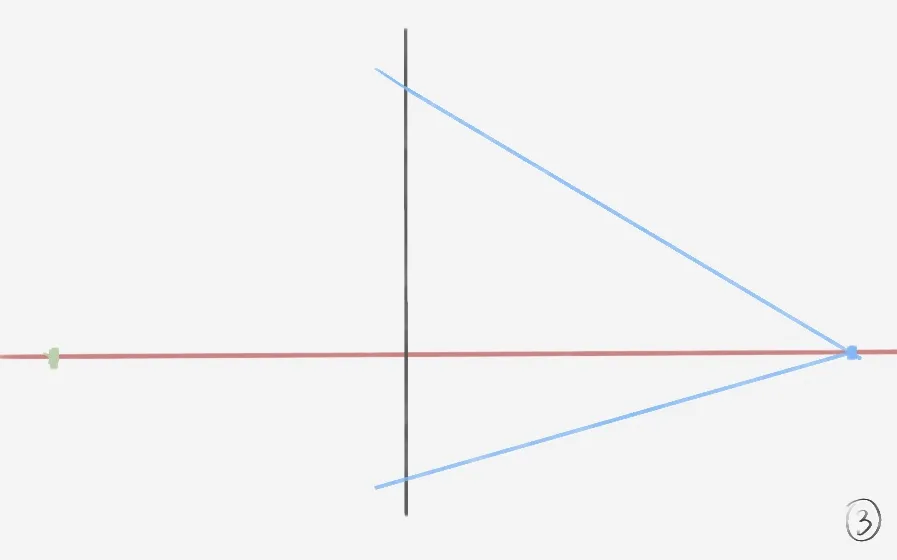
3. We choose two points on this vertical line which we then connect to the same point on the horizon line; these are the right-hand vanishing points.
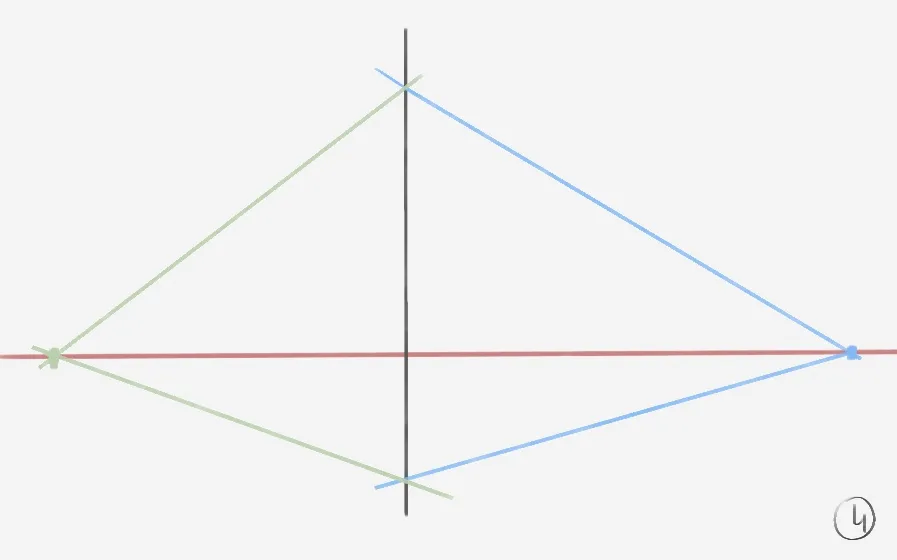
4. Do the same thing on the left side.
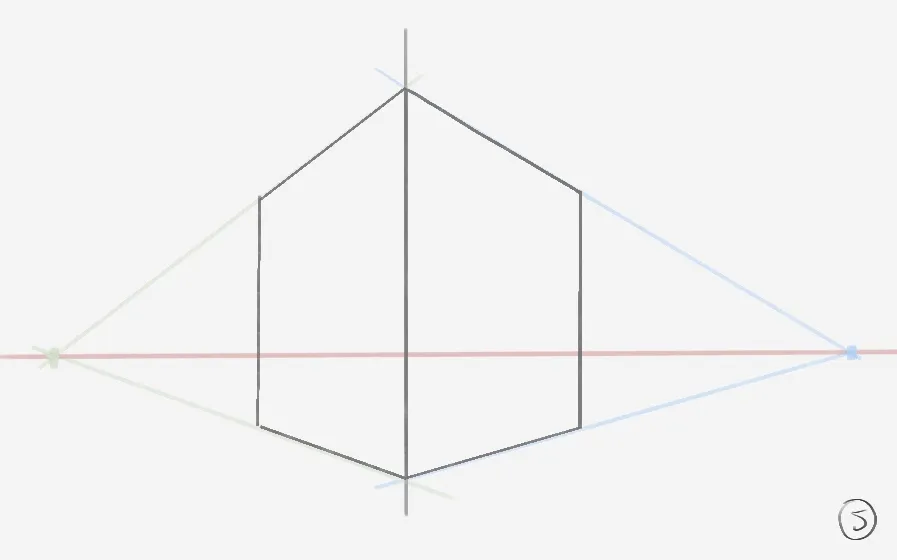
5. We finish drawing the cube by sketching the frontal vertical lines.
With two identical vanishing points, you can already draw a multitude of different cubes. I encourage you to practice.
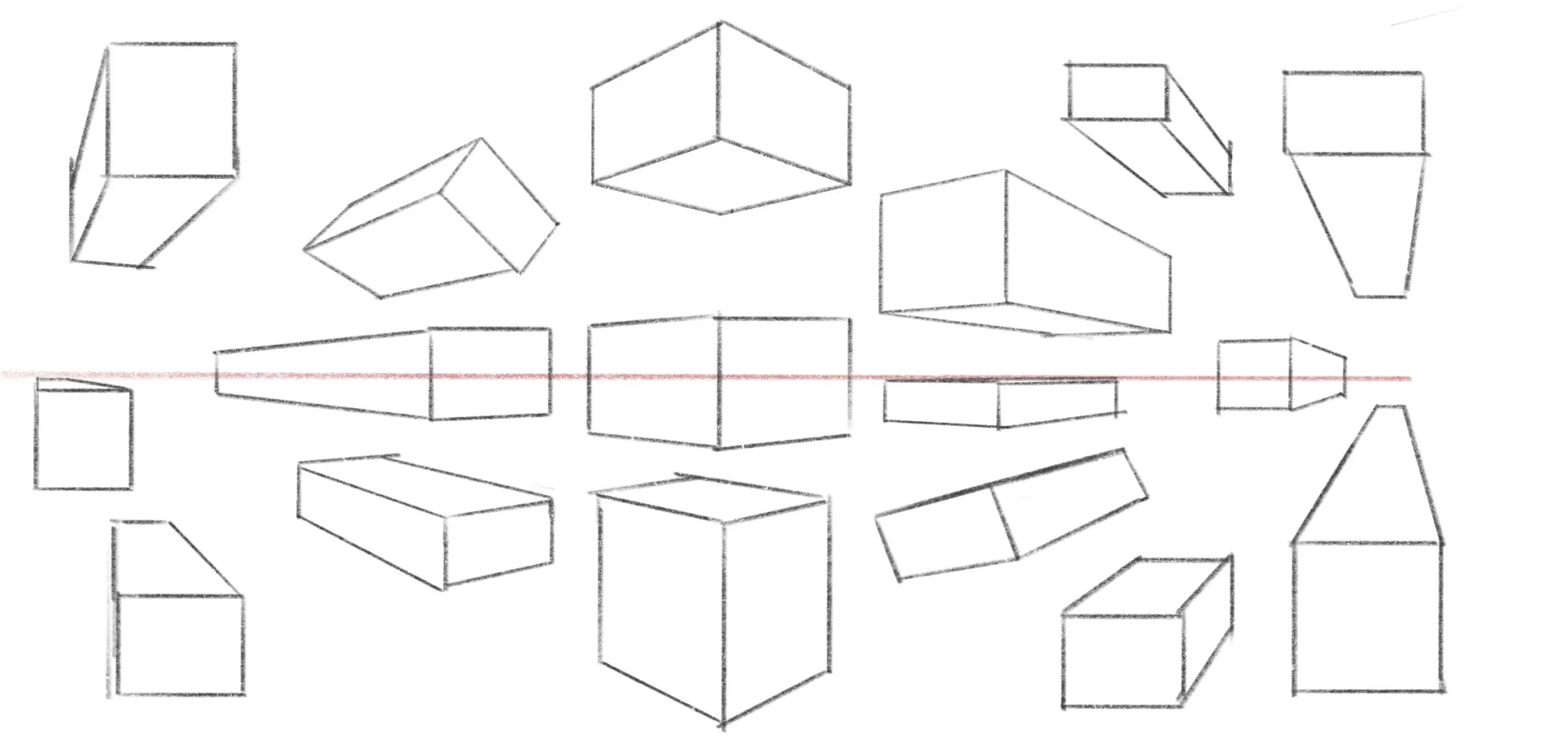
Experiment with the horizon line and vanishing points
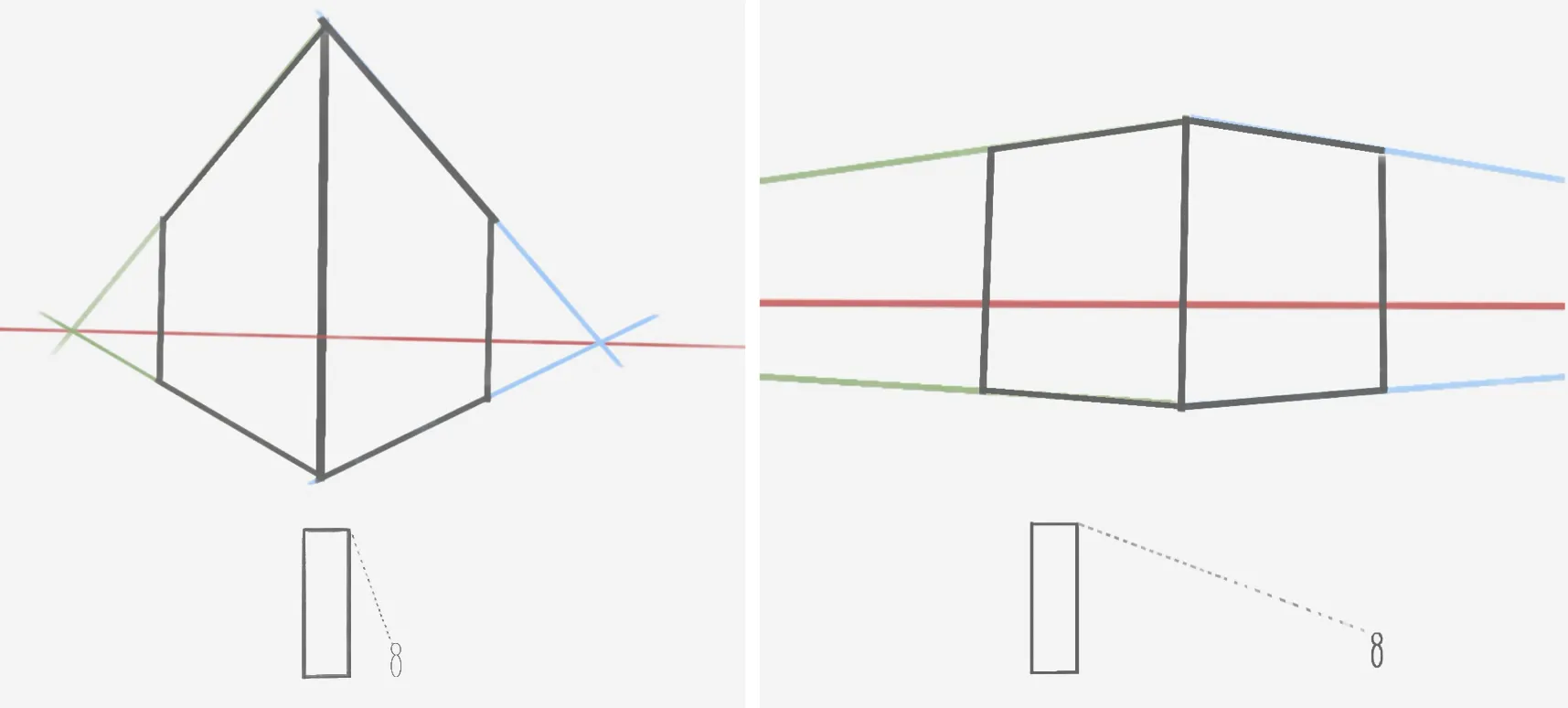
When the vanishing points are brought closer, the perspective lines become more pronounced. The objects then seem more distorted, as if seen with a wide-angle lens. This creates an impression of intense depth and dynamism, but can also make the scene somewhat unrealistic if the effect is too pronounced. It is very useful when you want to create movement or draw the viewer's eye towards the center of the composition.
Conversely, when the vanishing points are moved further away (sometimes even off the paper), the perspective becomes softer and more natural. The lines appear almost parallel, and the objects maintain more realistic proportions. This setting is perfect for landscapes, quiet streets, or buildings seen from a distance, where the artist wants to create an impression of space without distortion.
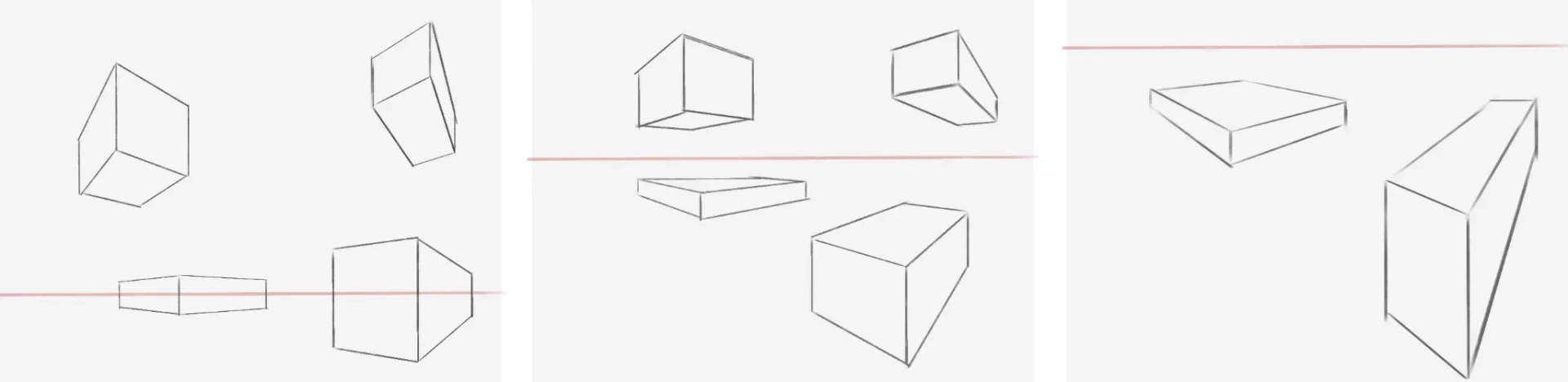
The position of the horizon line completely changes the way we perceive a scene. When it is placed high on the page, we get a bird's-eye view: it feels like observing the scene from above, as if from a balcony or roof. This allows more of the ground and the arrangement of elements to be revealed.
Conversely, if the horizon line is low, it creates a worm's-eye view, which gives an impression of height and verticality, as if the buildings were towering above us. By varying the height of this line, you can play on emotions, dynamism, and the enhancement of the subject, making each composition more lively and expressive.
Practical applications
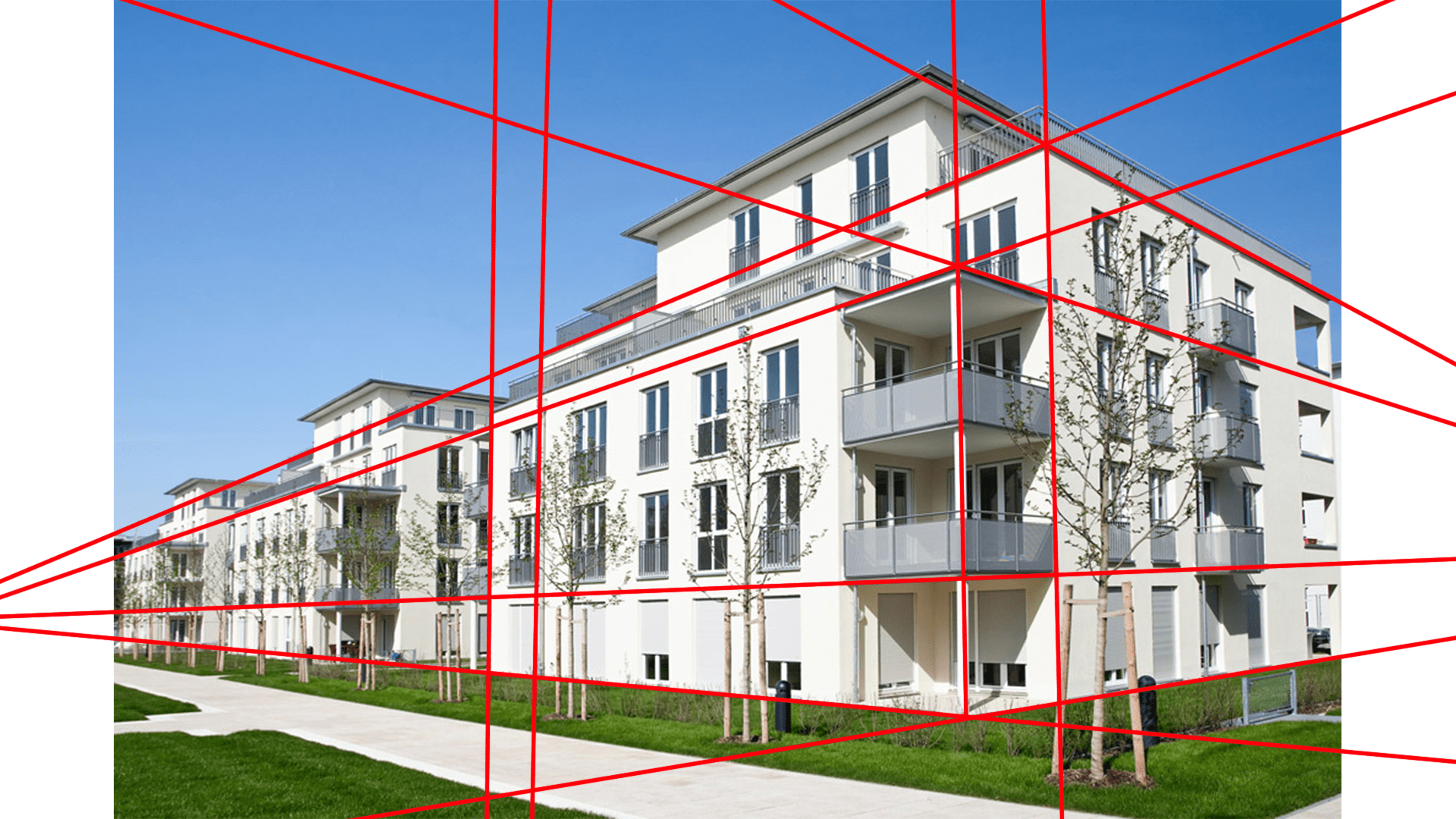
Two-point perspective is widely used whenever the artist wants to give a realistic impression of depth and volume in a scene. It is often used to draw streets, buildings viewed from an angle, or interiors where several walls are visible. It is also very practical for representing objects placed at an angle, such as a table, a box, or a vehicle, in order to give them depth without making them appear flat.
In architectural, urban planning, or even cartoon drawing, this perspective places the viewer within the scene, making angles and proportions more believable.

Two-point perspective may seem complex at first, but once the basics are laid out (horizon + two points), it becomes a very useful tool. It's the ideal technique for adding depth to your settings and depicting dynamic urban scenes.
So, take a sheet of paper, draw a horizon line, place two points... and have fun creating your first forms. You'll see, it's not that complicated!
Discussion
[url=
[url="";]google[/url]
[url:google|
label="google"]";]google[/url]
[link: | google]
[link:
[link url=
[
(
[URL="";]google[/URL]
[L="google":
/link{
[[
[google](