
How to Paint Shadows with Watercolors
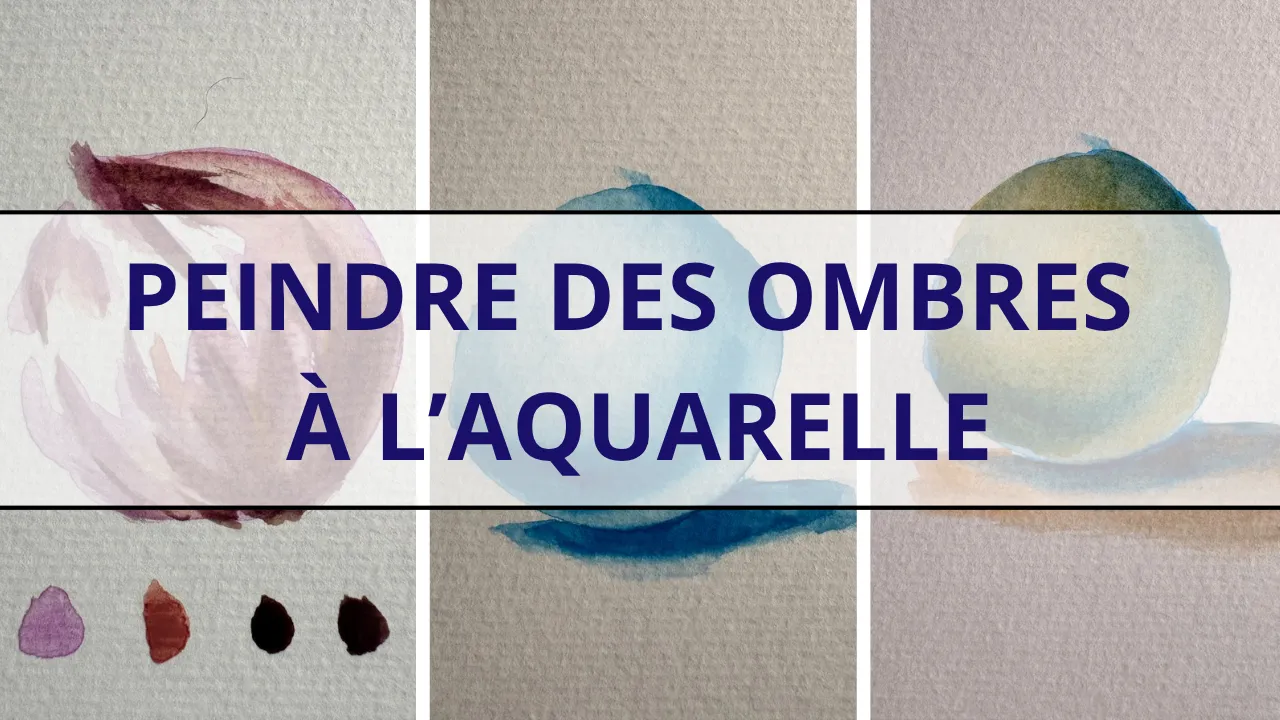
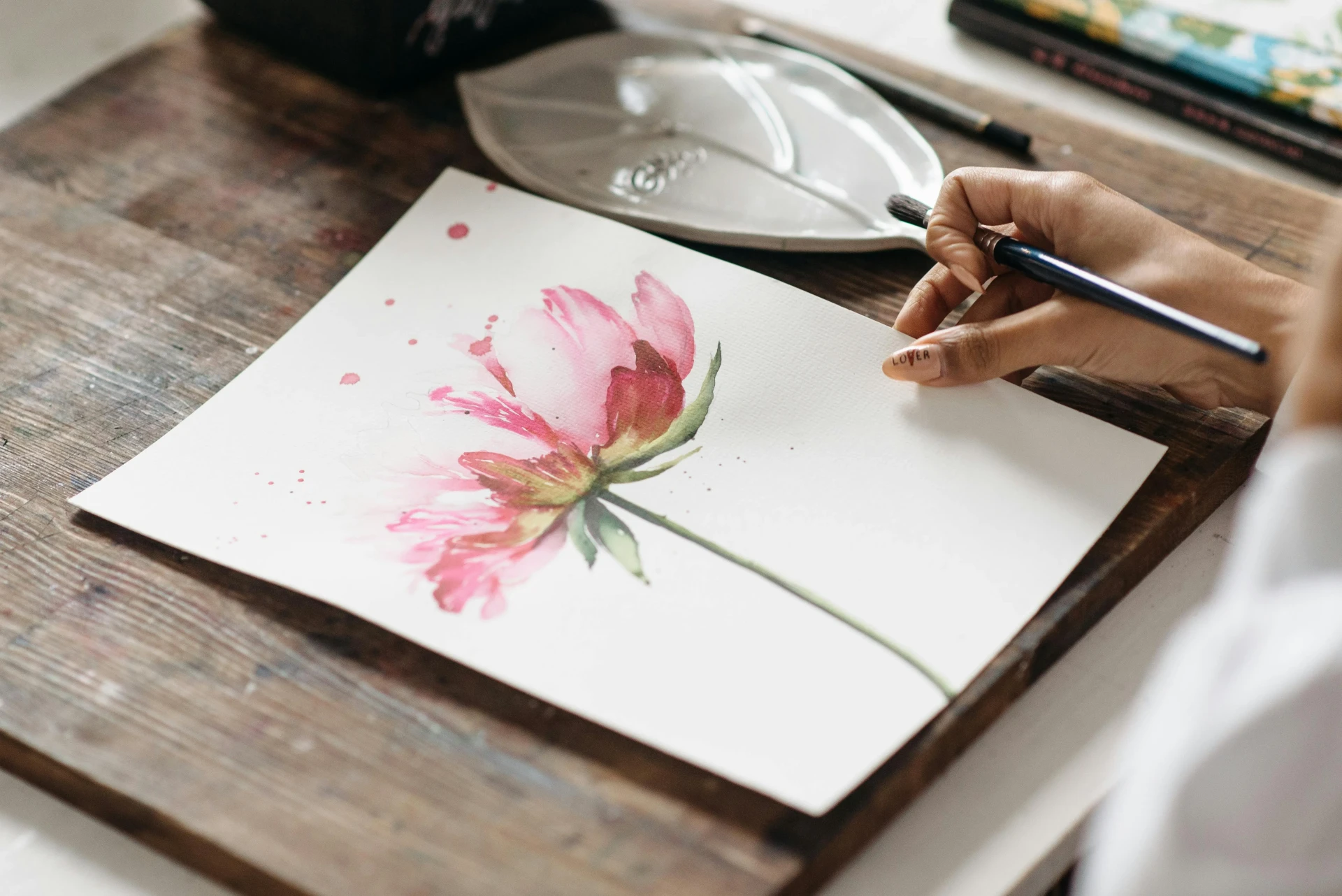
Mastering watercolor painting requires constant practice. There are many techniques that require both practice and solid theoretical knowledge. In this article, we will focus on a fundamental aspect: shadows. How to understand them, how to create them, and how to use them to give volume and realism to your paintings.
Types of light and its behavior
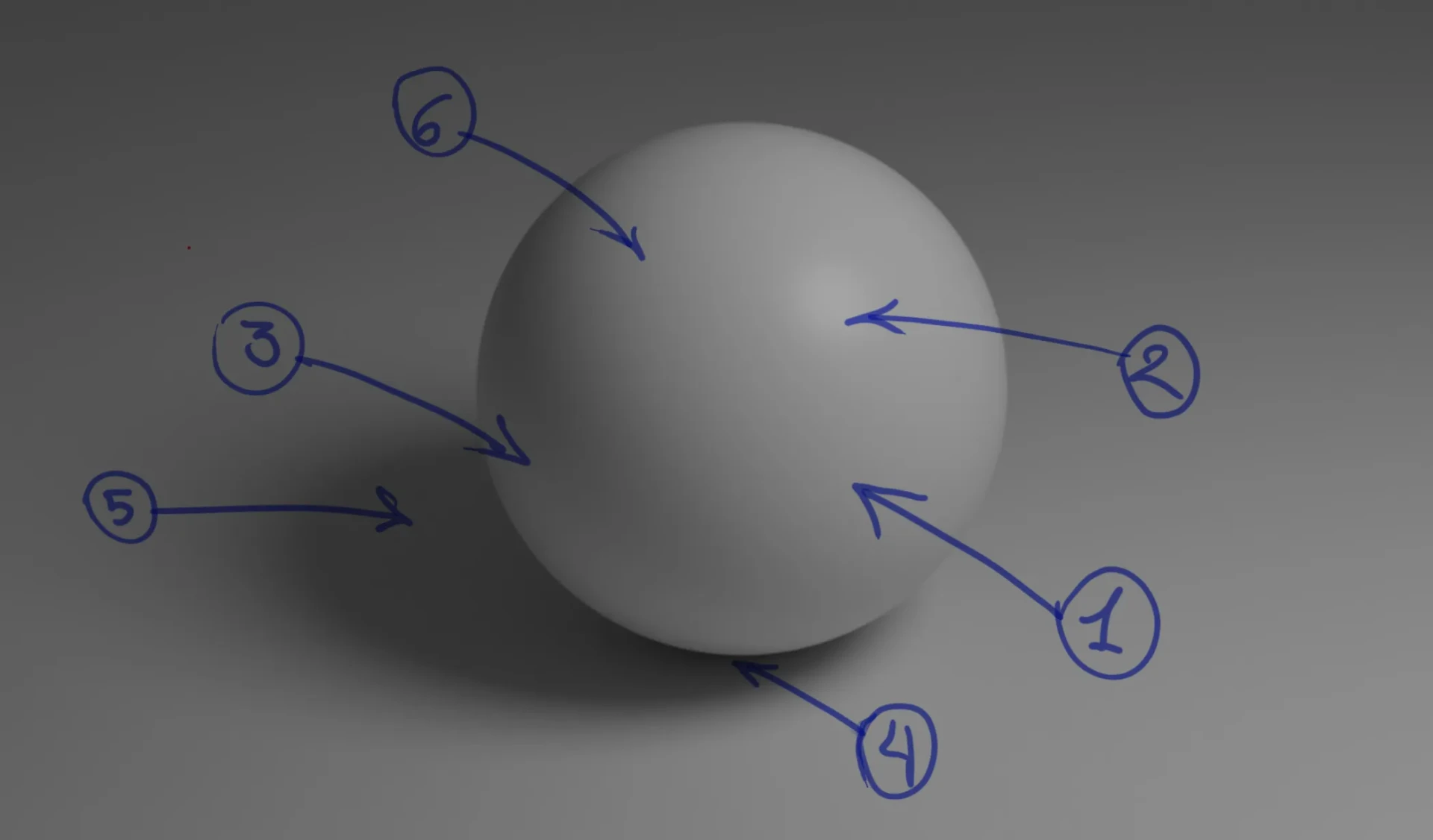
A shadow is the obstruction of light caused by an object. In painting, it is a fundamental factor in giving volume and realism. Here are the different components of how light affects a model.
Midtone
Objects have a predetermined color, which is the easiest to identify with the naked eye. When you pick up a tangerine, you can confidently say that it is orange.
Direct light
Light reflects off all objects, with varying intensity depending on the surface. Areas directly facing the light become significantly lighter, sometimes even taking on an almost entirely white glow.
Reflected light
In the shadow area, it is possible to see a slightly lighter part, bathed in such soft light that it often goes unnoticed. It can be found in the areas of the object that are closest to other surfaces. The more reflective the surface, the more intense the reflection will be.
Core shadow
When two objects touch, an area of intense darkness is created at the point of contact. The same thing happens when an object rests on a surface: a dark and easily identifiable outline then appears.
Cast shadow
This is the most well-known form of shadow: the dark outline of an object projected onto a surface. Its intensity varies depending on the power and distance of the light source.
Form shadow
This is the gradation that follows the shape of an object, located between the darkest and lightest areas. This smooth transition allows objects to be perceived in three dimensions; without it, the object would appear flat.
How do you choose the right color to create shadows?
When painting with watercolors, there are several options for darkening a tone and creating effective shadows. A good artist knows how to use them all and combine them harmoniously.
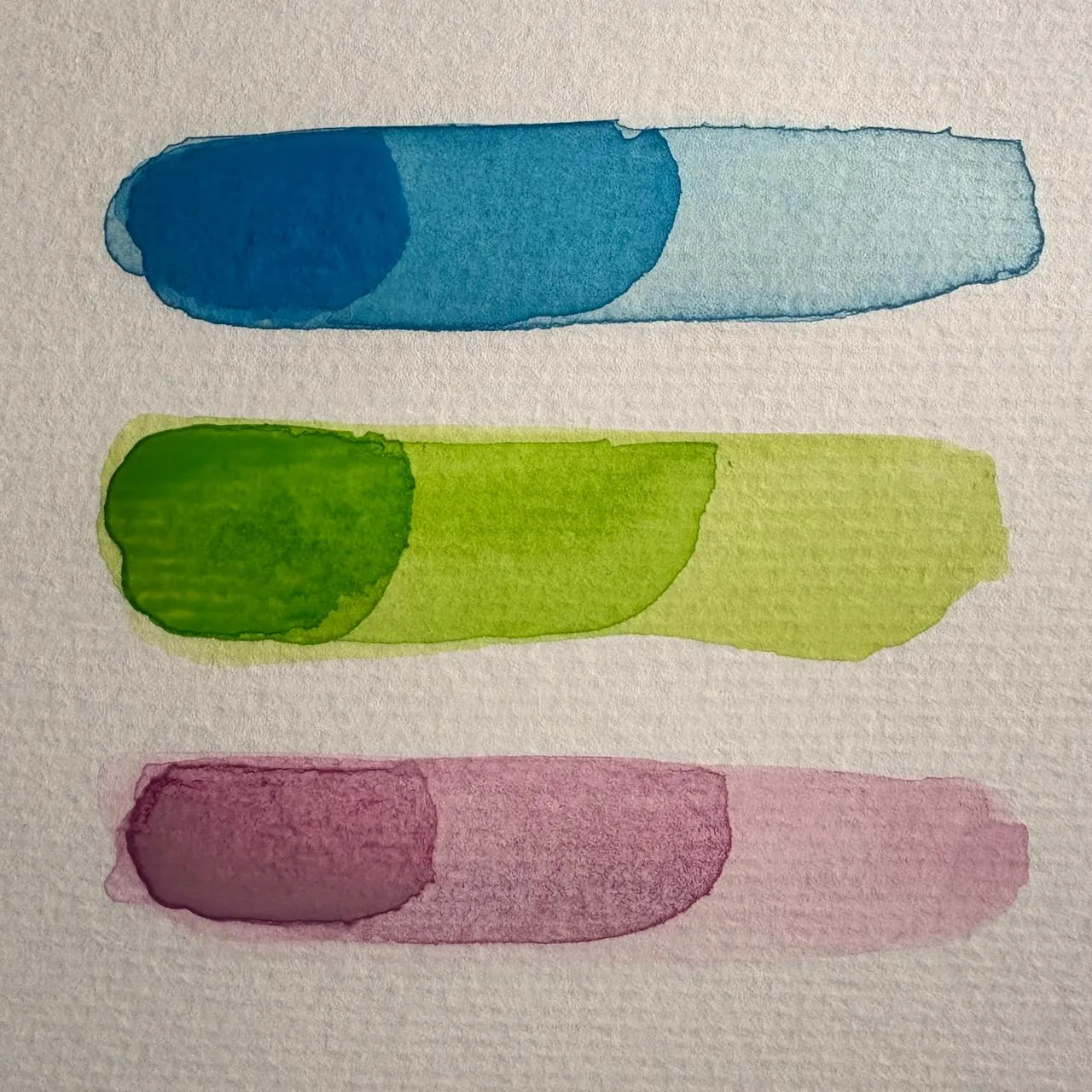
Greater pigment concentration
Watercolor is a technique based on water, which allows you to work with transparency. By playing with the amount of water and pigment, you can achieve transitions and contrasts: less water results in a more intense and deeper color, while more water results in a translucent color.
Analogous colors
The maximum concentration of a color has a limit to how dark it can go. To obtain a darker tone, add a little of the neighboring color that has a deeper value, such as purple for blue, or green for yellow. The analogous color is the one found just next to the chosen color on the color wheel.
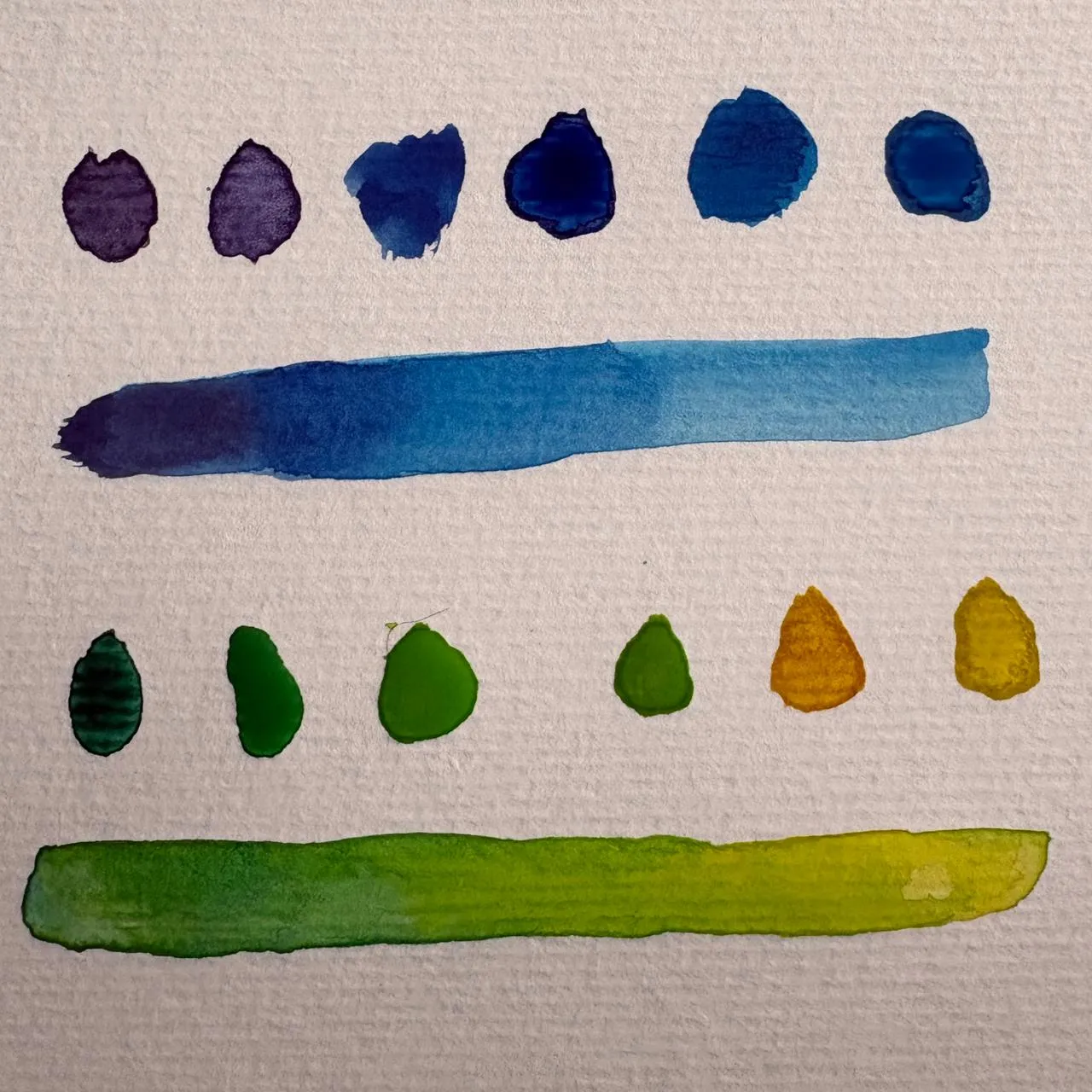
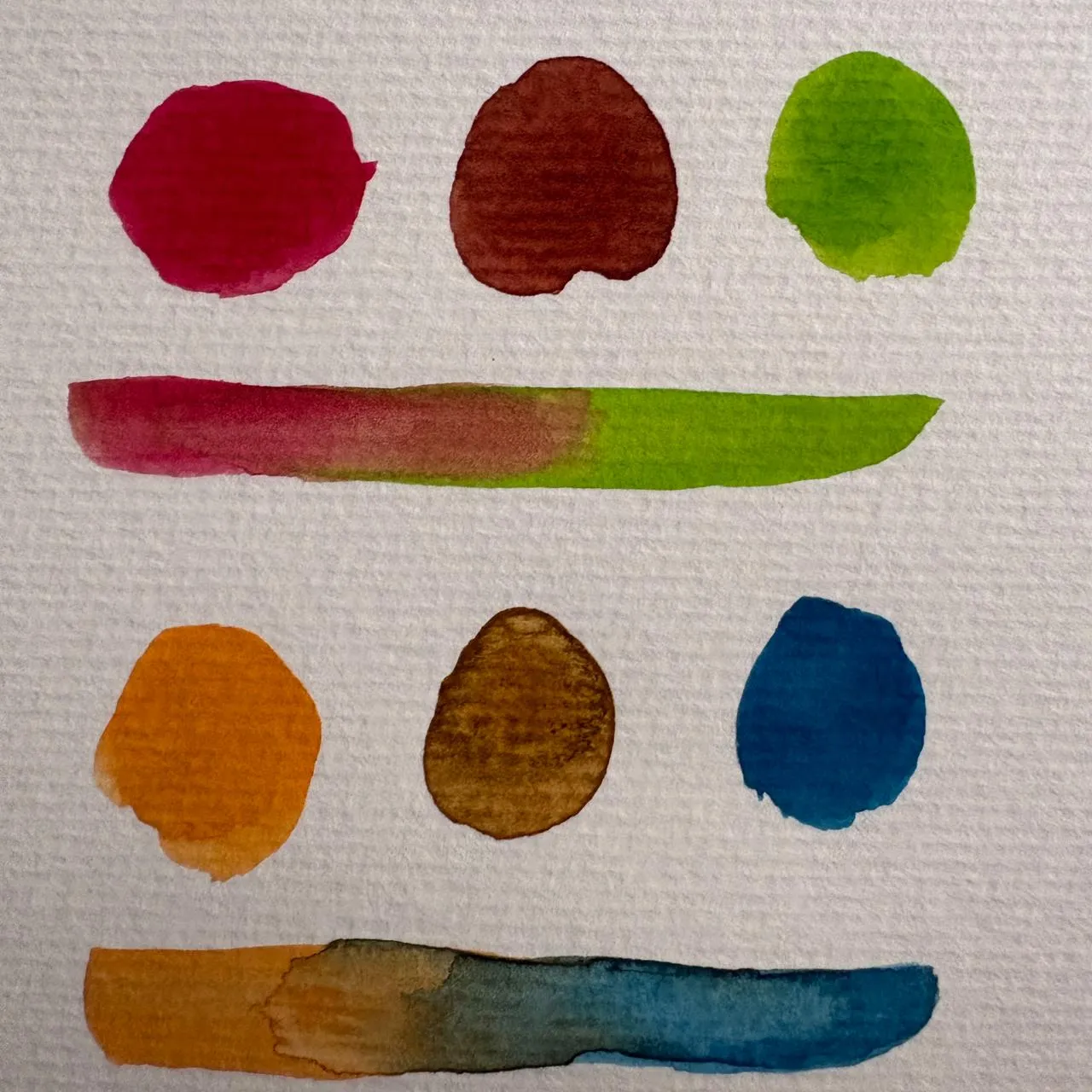
Complementary colors
A small amount of the opposite color can create a darker or more muted tone, ideal for a dark but well-saturated shadow. If you are new to color theory, avoid using black to darken: it is complex to use and can easily muddy your tones.
Three techniques for creating shadows with watercolor paint
Our technique of the day enables us to apply the new tones in different ways. I will use a few brief examples to show you the different alternatives you can incorporate into your work to create remarkable shadows.
Preliminary volume layer
Create all the volumes of your model with a single tone, as if it were a monochrome piece. Use different concentrations of pigment to create gradients and contrasts that define the shape of the object. Note: use the complementary color to the tone you ultimately want your object to appear.
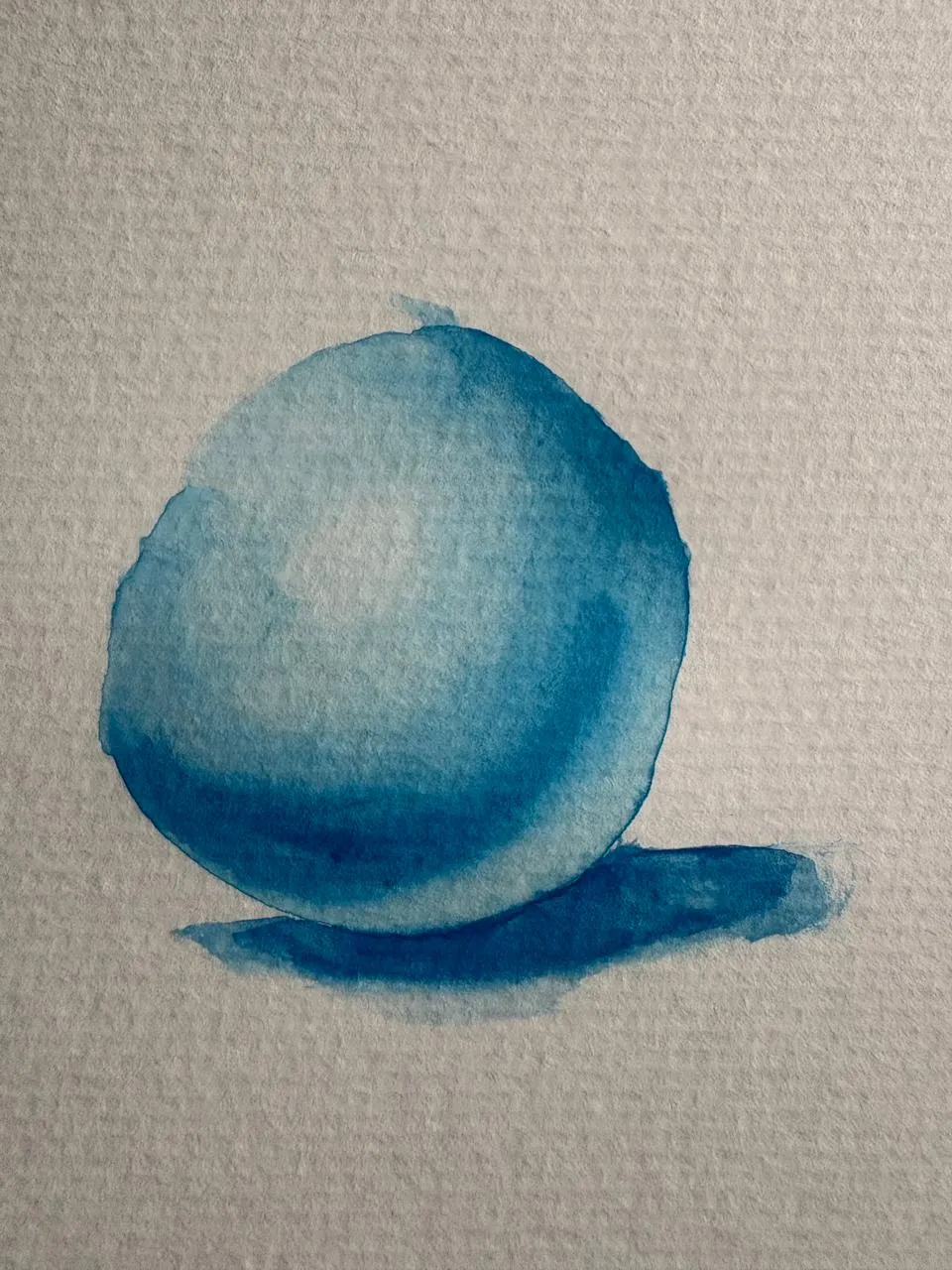
Once this layer is dry, start adding layers of color, beginning with the lightest shade. By working patiently, the overall tone of the object will gradually develop, resulting in a richer more compact finish.
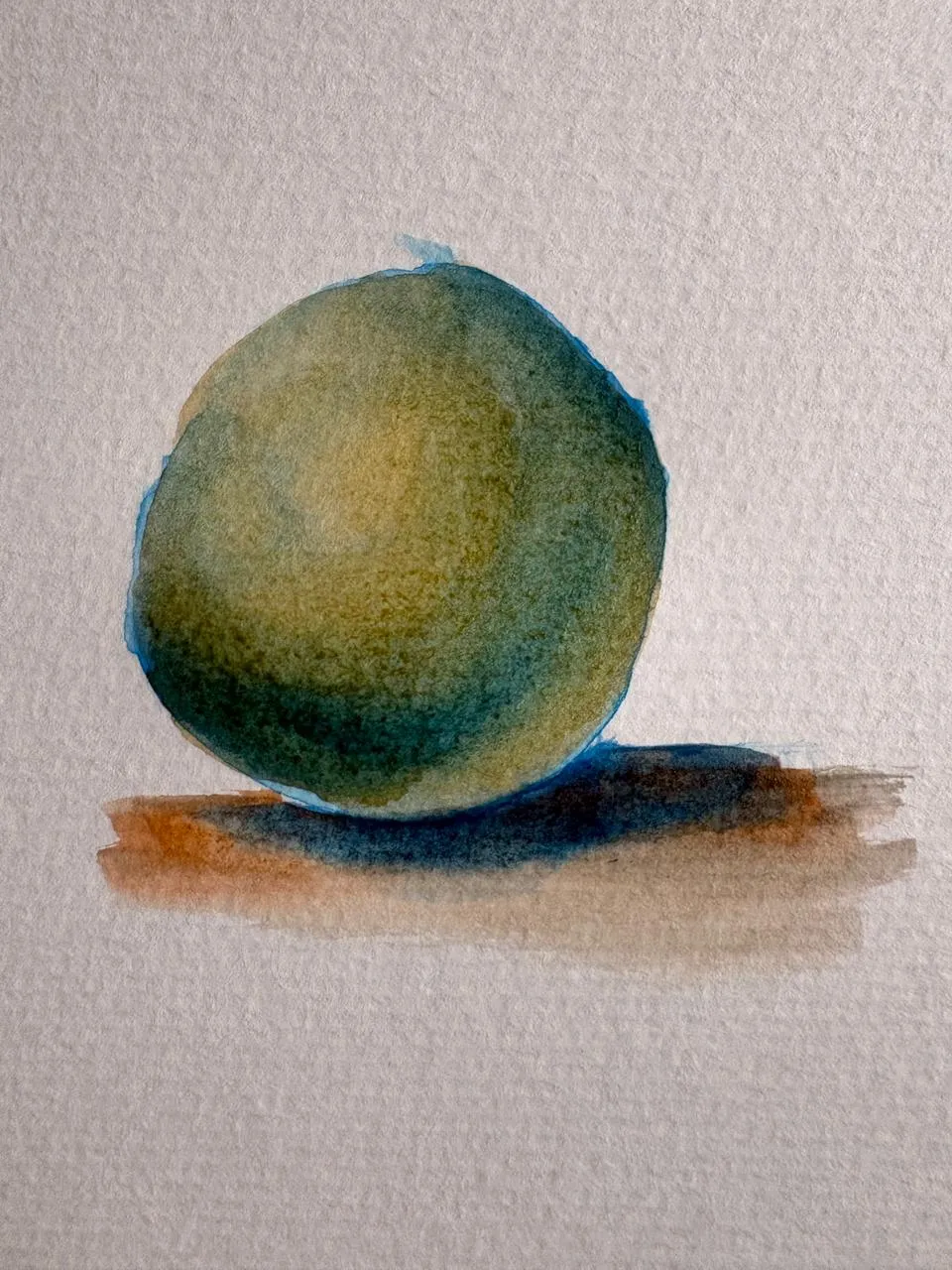
Transparent glazes
The reverse approach consists of painting the object with its base colors, then adding transparent layers of complementary color once the paint is dry. The result is similar, but allows the second color to be more visible. It is therefore recommended to apply it in alternating layers or wet-on-wet.
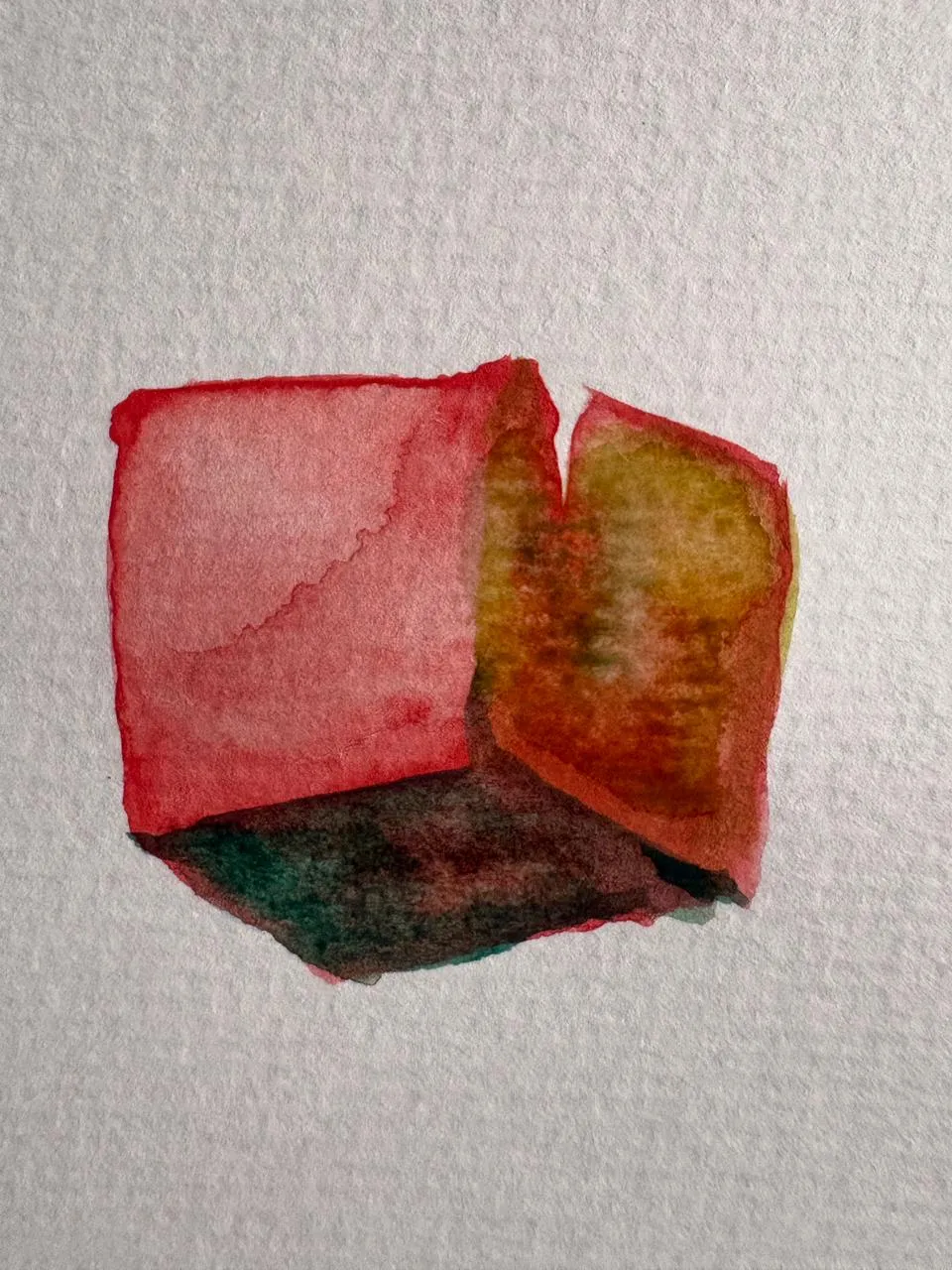
Mix the washes with the necessary color
Start with the base color and create a wash. Once the first layer is applied, add a bit of complementary color to the wash, which will immediately darken the hue. Continue in this manner, gradually adding more complementary color to obtain increasingly darker tones.
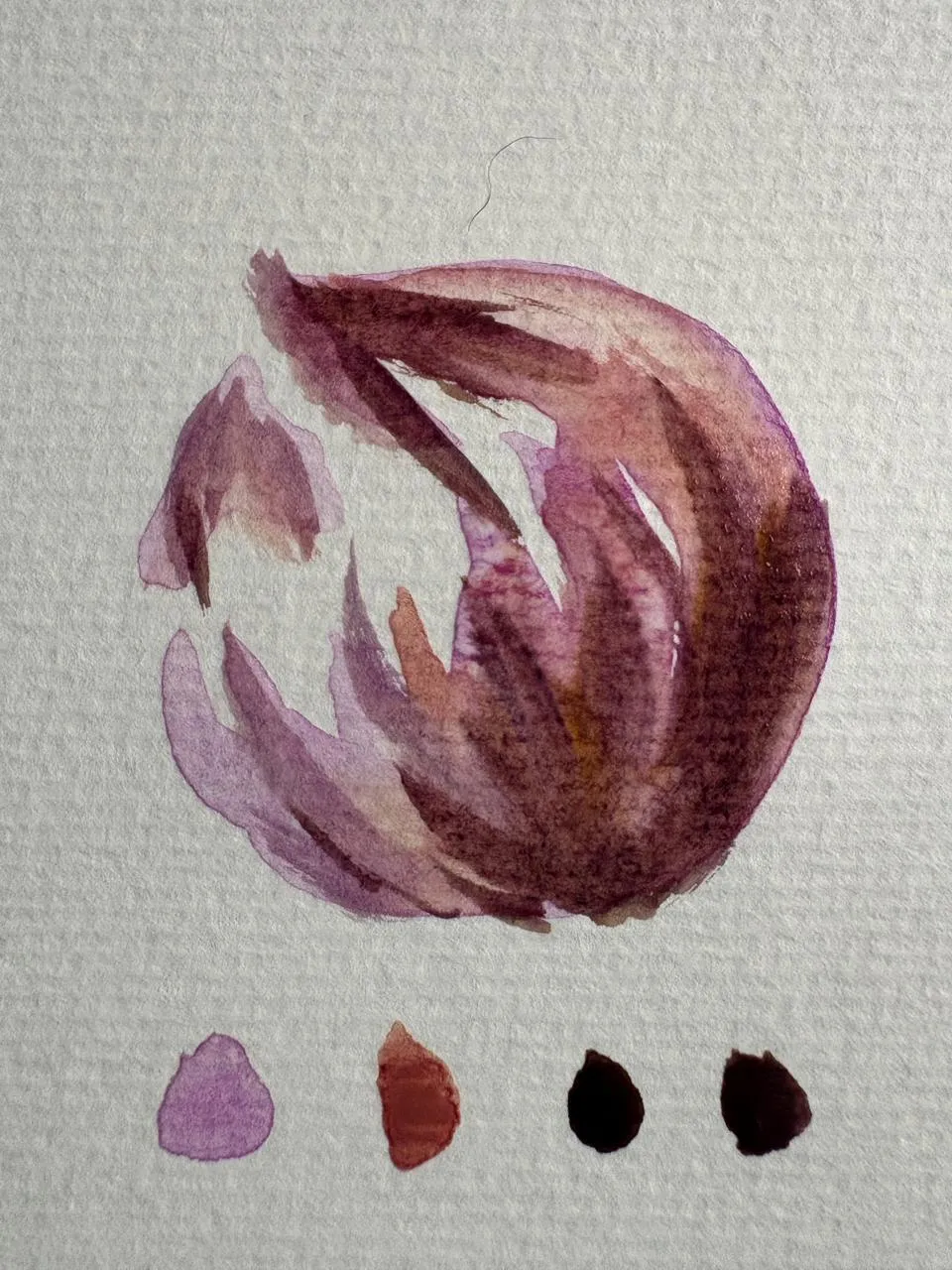
Watercolor offers many possibilities for creating shadows with chromatic dynamism and real visual impact. Now it’s up to you to put these techniques into practice in your own works. See you soon!
Popular Articles
Discussion
Very interesting, thank you Bryam.
Thank you for this very concise article. It says it all.