
How to Master Shadows in Acrylic Painting
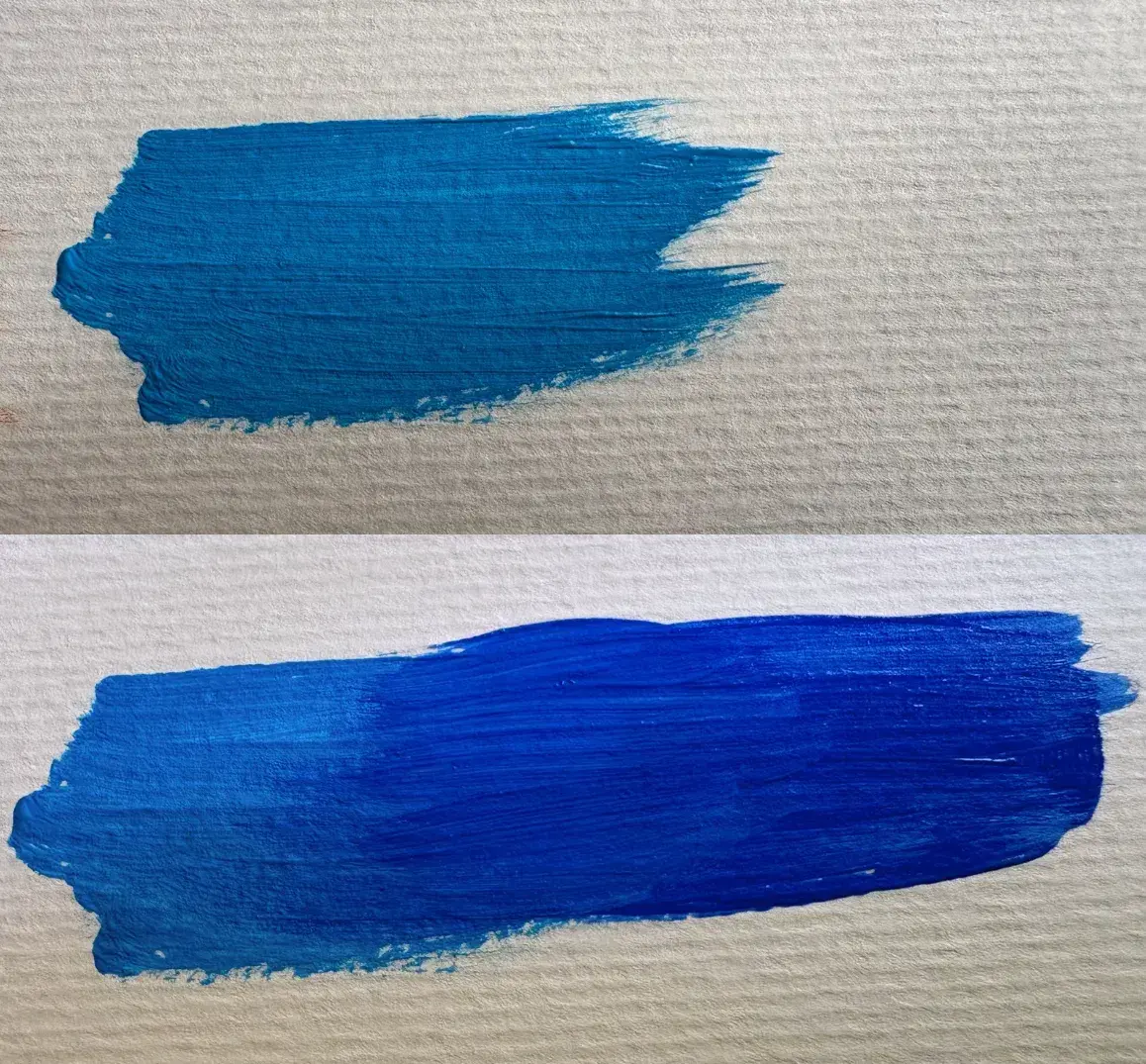
Acrylic painting is characterized by its intense colors, pronounced textures, expressive strokes, and fast drying time. It is a real race against time that rewards expressiveness more than absolute control. For this reason, mastering precise effects like gradients and shadows requires practice and technique.
Welcome to this article dedicated to acrylic painting and its secrets! This time, we're getting right to the heart of the matter: I'm going to teach you how to apply shadows effectively.
How does light behave?
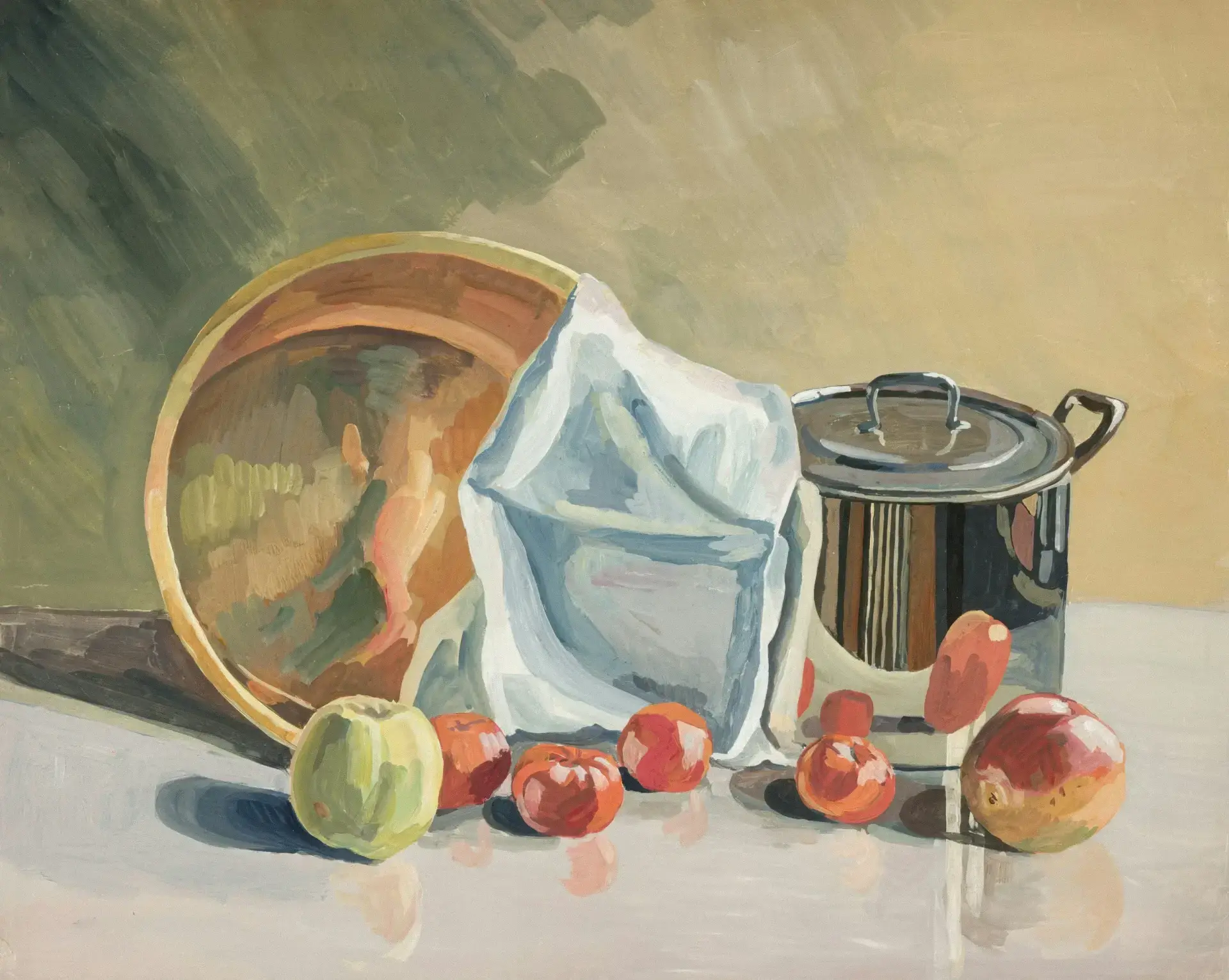
We perceive the world through light, whether it comes from the sun, bulbs, or lamps. By observing these three sources, you will notice that light does not behave the same way in all cases. It follows different physical laws that determine its interaction with objects. I know this may seem abstract, so let me explain it to you in practical terms.
The 5 elements of chiaroscuro
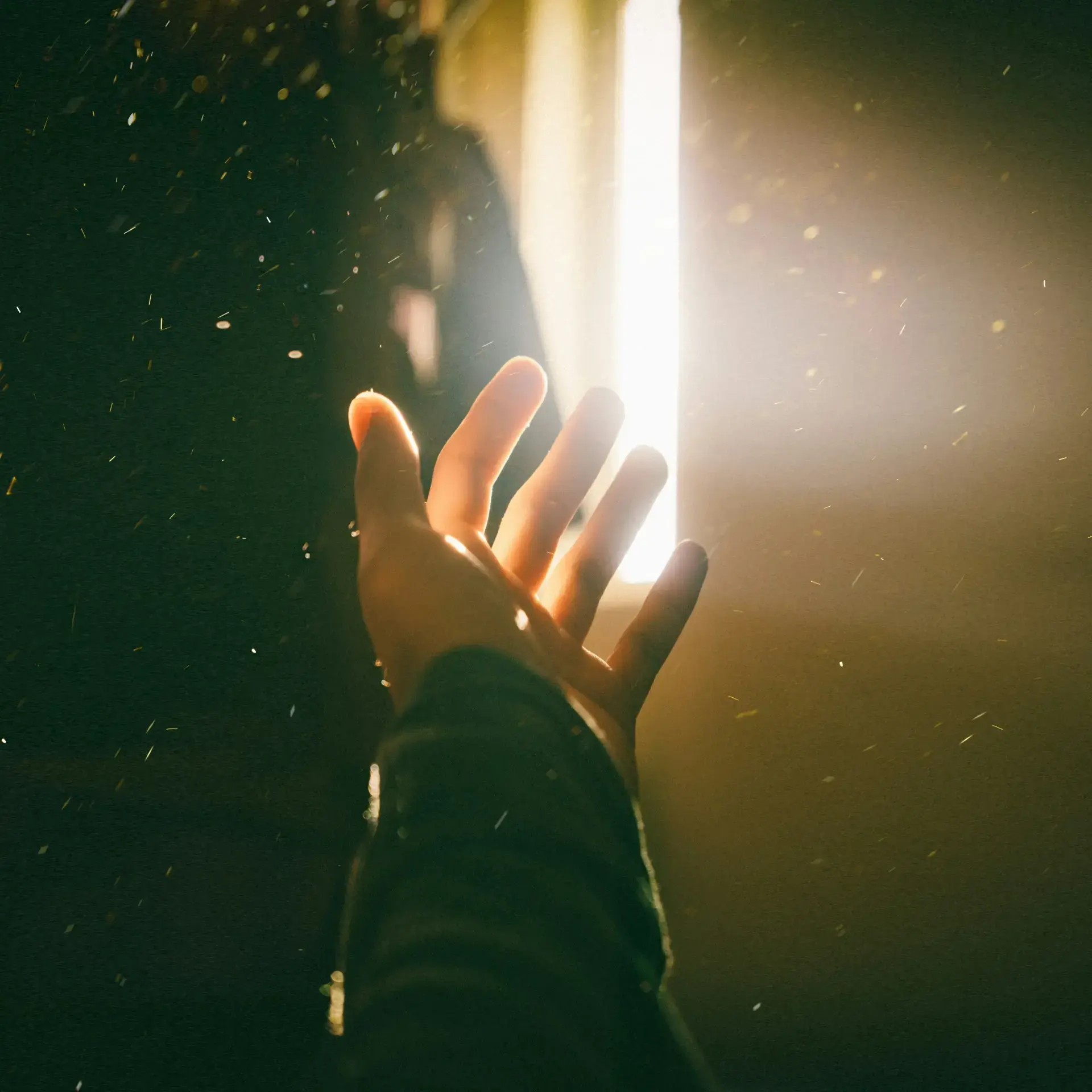
When analyzing an illuminated object, we can distinguish five variations that shape our perception of volume and lighting:
1. Midtone: this is the base color of the object. For example, we would simply say that an apple is red, without going into detail.
2. Highlight: when light strikes the object from a certain angle, bright reflections appear on the most exposed areas.
3. Core shadow: this is the dark edge that forms where two objects meet or in the hollows of a surface.
4. Reflected light: if you create a smooth transition between the core shadow and the highlights, you get these shadows that are essential to give depth to your subject.
5. Cast shadow: this is the most visible shadow, the one that is cast on the ground or on other objects, like a silhouette of the original object.
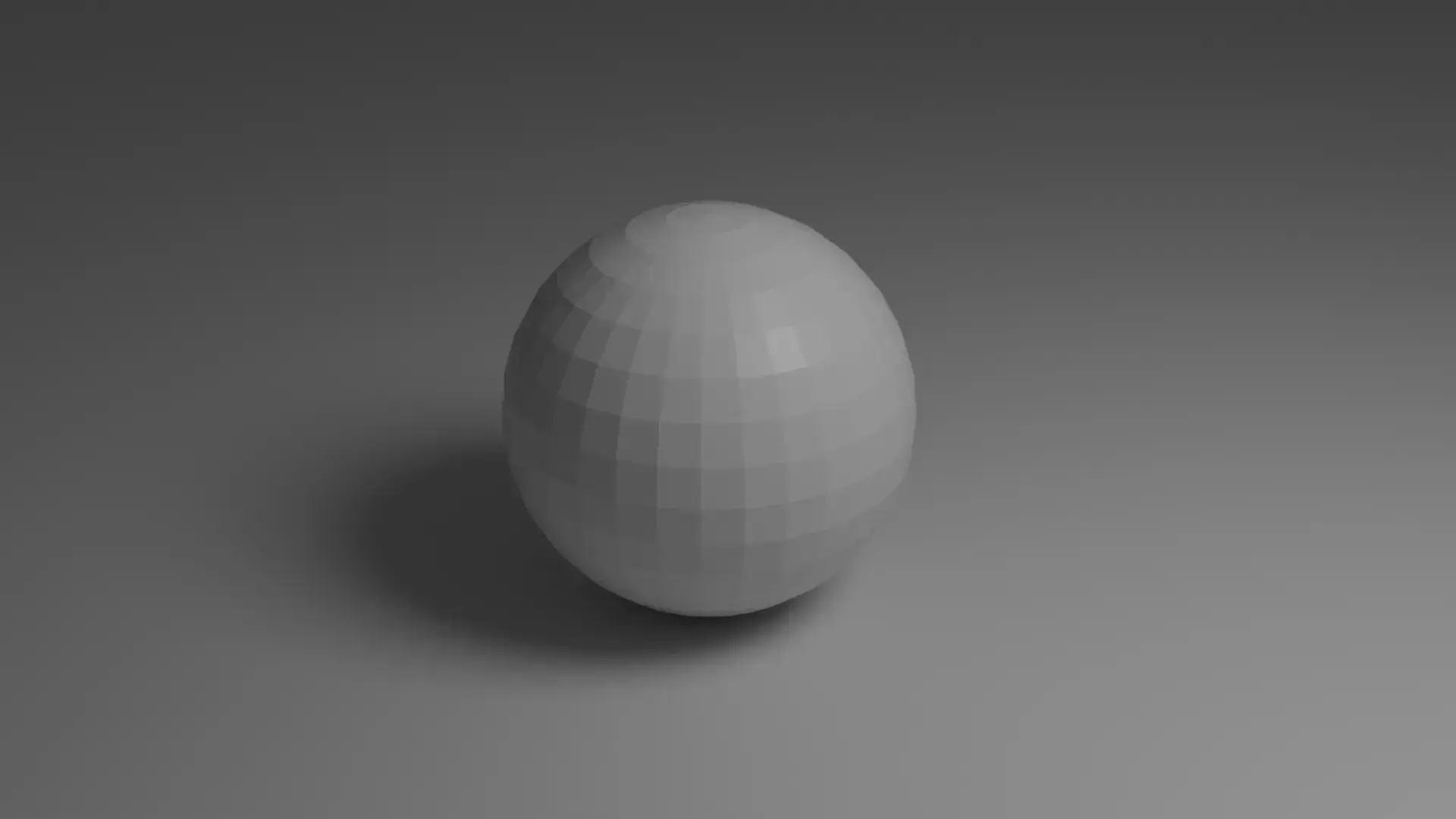
In summary, we can distinguish three types of shadows according to their appearance:
- Soft gradients: gradual transition of tones, perfect for smooth forms
- Blurred areas: ideal for creating texture and irregular forms
- Cast shadows: defined dark patches that show the silhouette of an object opposite a light source
The dynamics of shadows
Even though shadows are areas darkened by the absence of direct light, they are never completely flat. Like everywhere else in your painting, there are shades and subtle variations. Let's take a closer look.
Light bounce
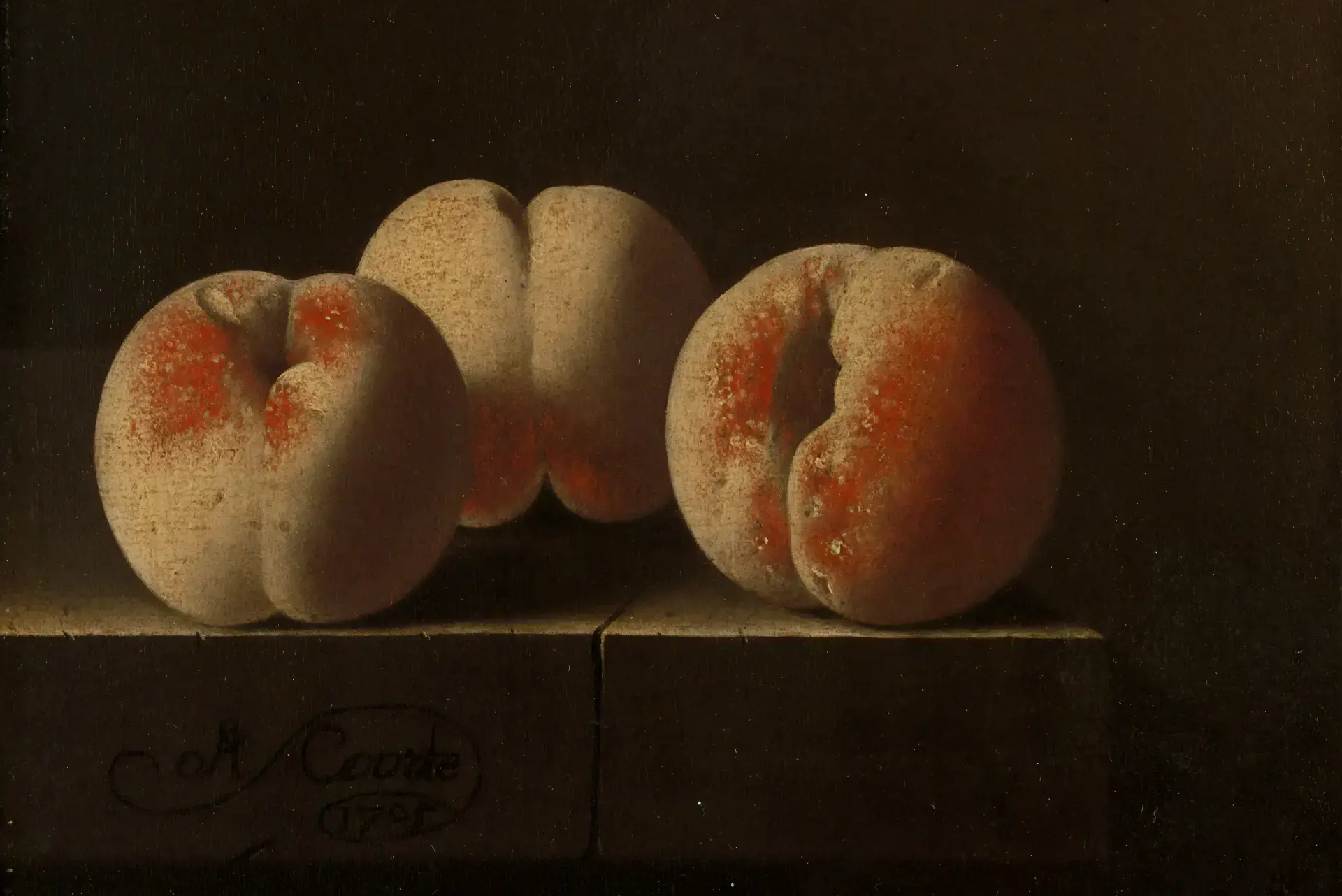
Light and shadow interact in complex ways. Here is a fundamental concept: imagine that light bounces off all surfaces, including those surrounding your subject. This phenomenon creates slightly lighter areas within the shadows themselves that are tinged with the surrounding colors. That's why careful observation of your reference model is crucial.
Maximum contrast
Just as there are areas with bright spots of light, there are also very dark areas where the color appears almost black. But be careful: pure black and white are rare in nature. There are always shades of color. My advice: instead of using pure black, create a shade of black by mixing dark tones with the complementary color of your base color.
The crucial subject of color
Using black directly to create shadows may seem logical, but it's a trap! To darken your colors effectively, you need to use additional colors. You have two options, depending on the desired effect:
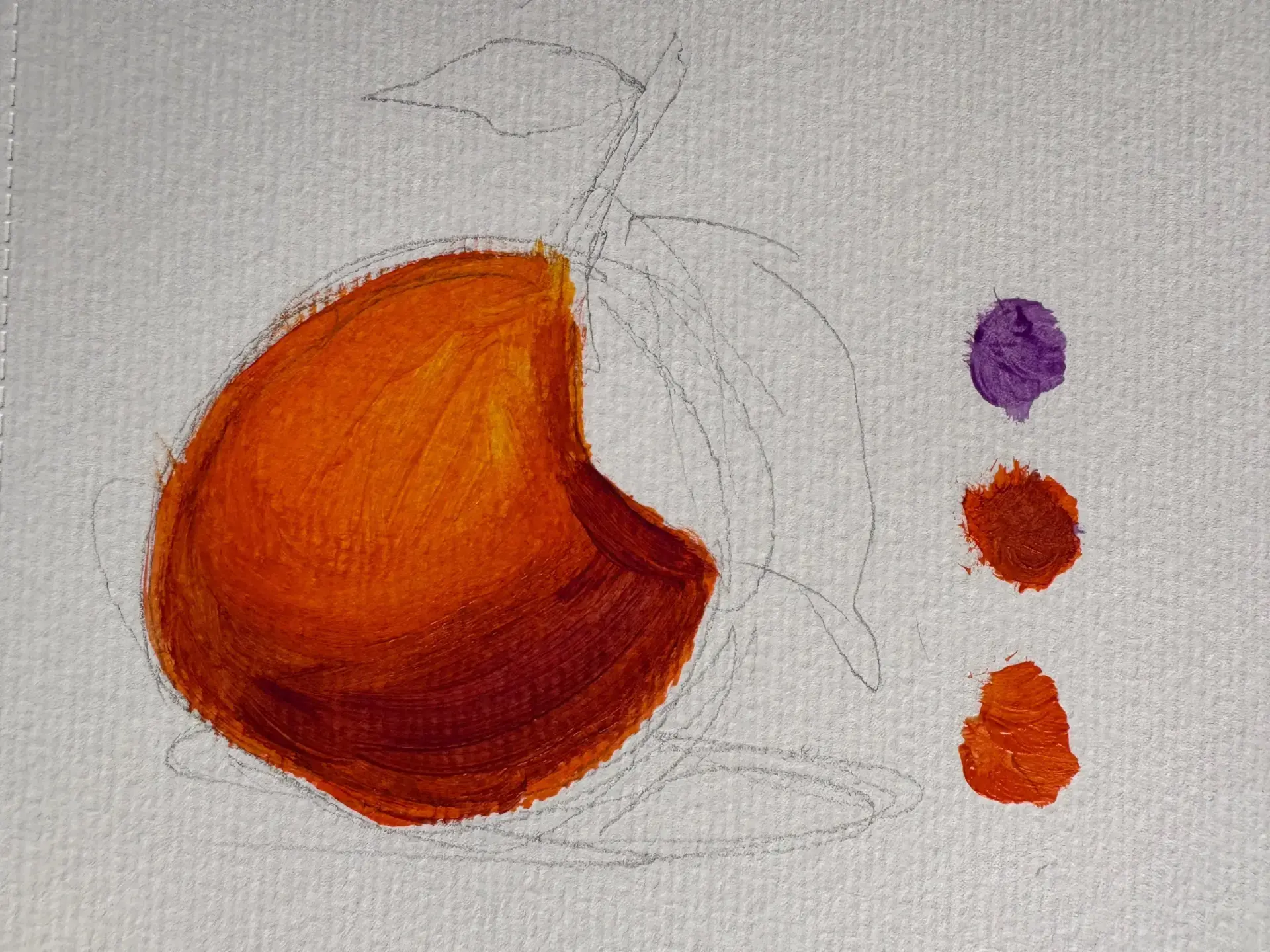
Use complementary colors to create shadows
Take the opposite shade on the color wheel. This will darken your color without making it lose its brightness, while giving it a nice depth.
The rule of the missing color: The three primary colors are yellow, blue, and red. To find the complementary color, identify which primary color is missing from the composition.
Examples:
Orange (yellow + red) → complementary = blue (the missing color)
Red (primary) → complementary = green (yellow + blue, the other two primaries)
Green (yellow + blue) → complementary = red (the missing color)
Use similar colors
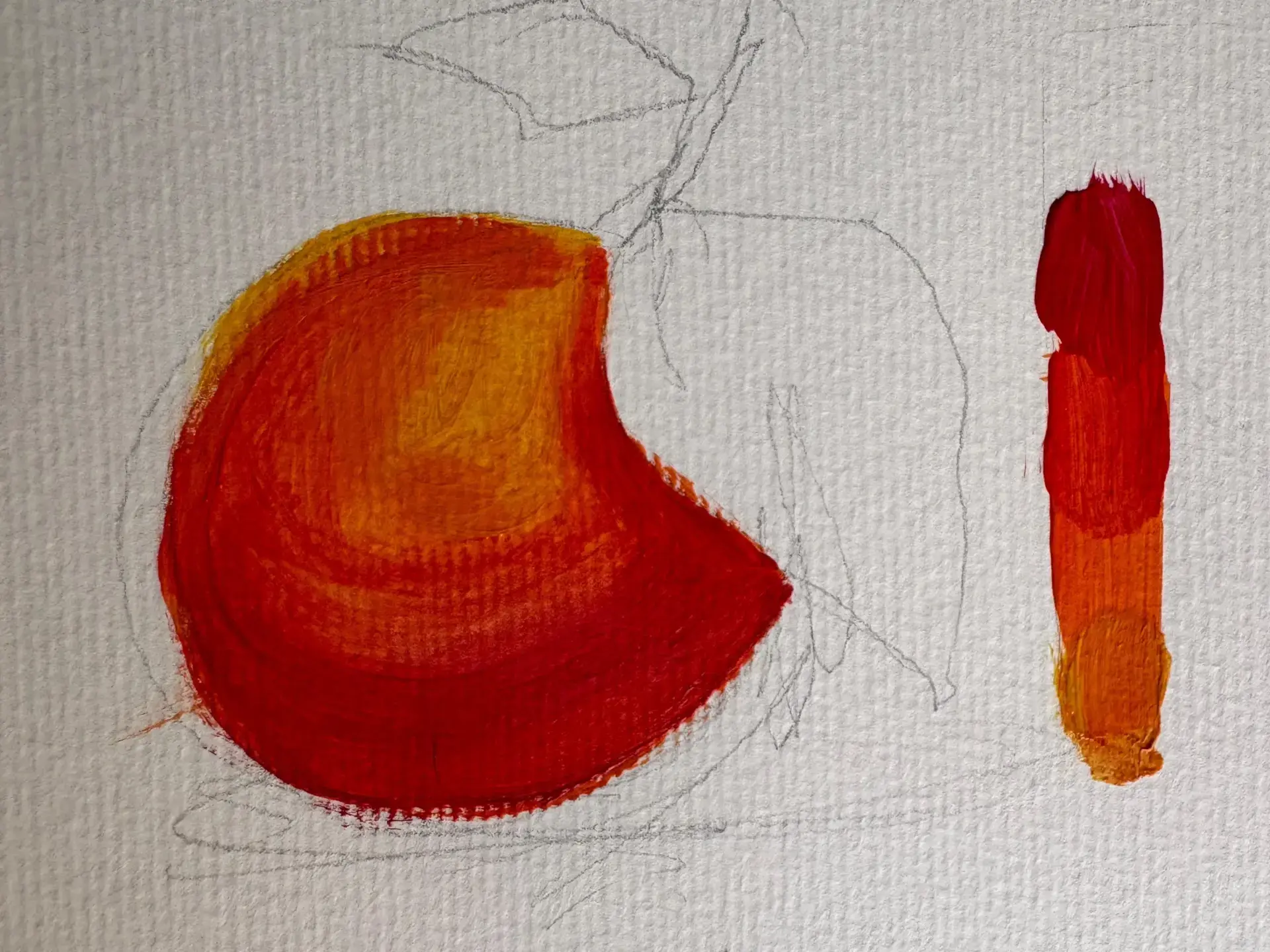
If you want to slightly darken a color while maintaining saturation and smooth transitions, use its adjacent tones on the color wheel.
Example: For green (yellow + blue), add blue to darken it, as blue is naturally darker. Conversely, add yellow to lighten and brighten it.
Important: White and black remove saturation. White creates pastel colors, black dulls them.
Painting shadows with acrylic paint
Now that you understand the dynamics of shadows better, let's explore how to create these effects with techniques specific to acrylics.
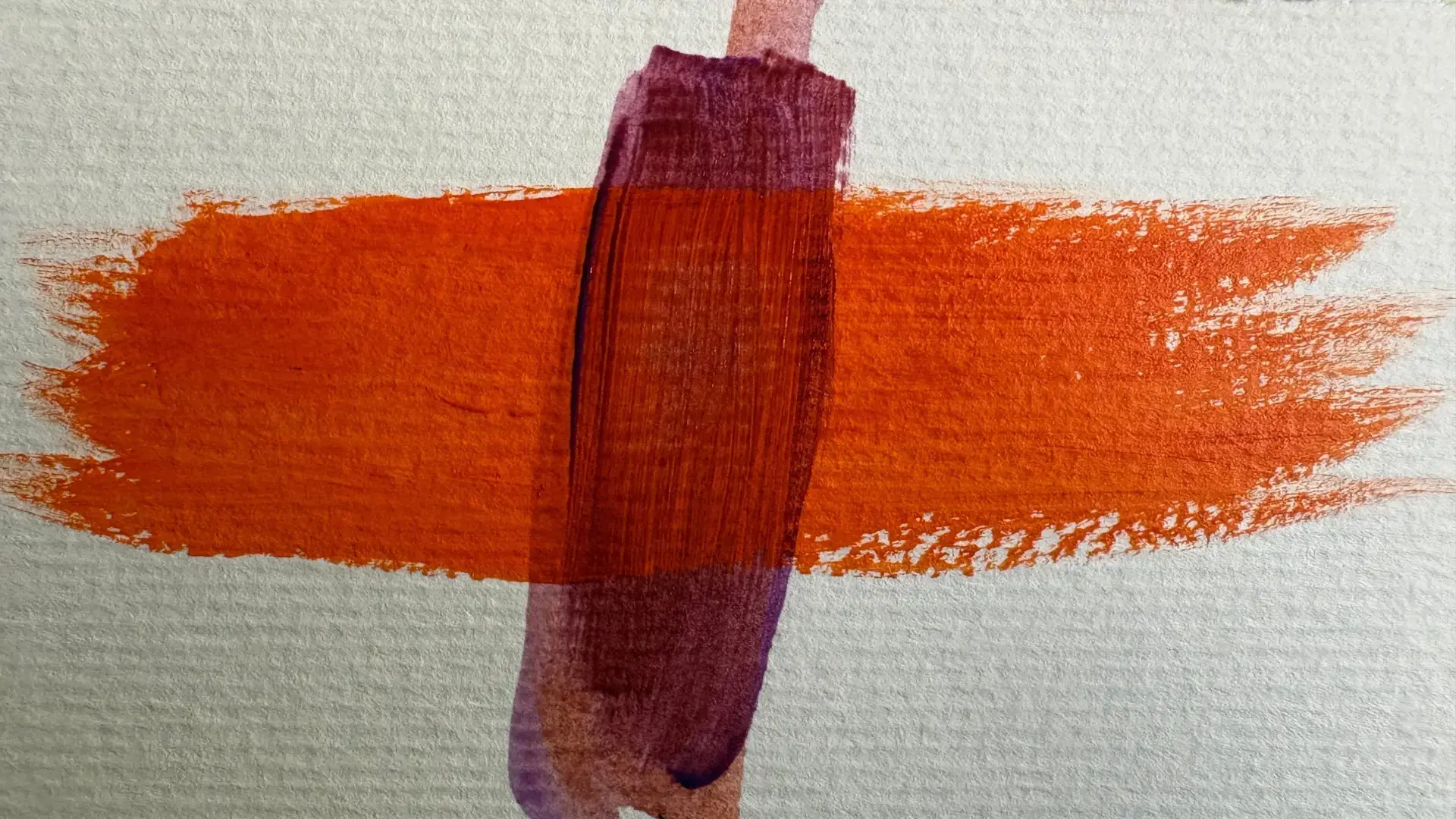
Create shadows with glazes or transparency
Once the base tones of your subject are completely dry, prepare a transparent mix with a medium and color of your choice. Without a medium, you can thin the paint with water, but don't overdo it.
Apply this transparent layer directly over the dry color you want to darken. The second color will not cover the first, but will overlap to create a darker and richer shade.
The "alla prima" application
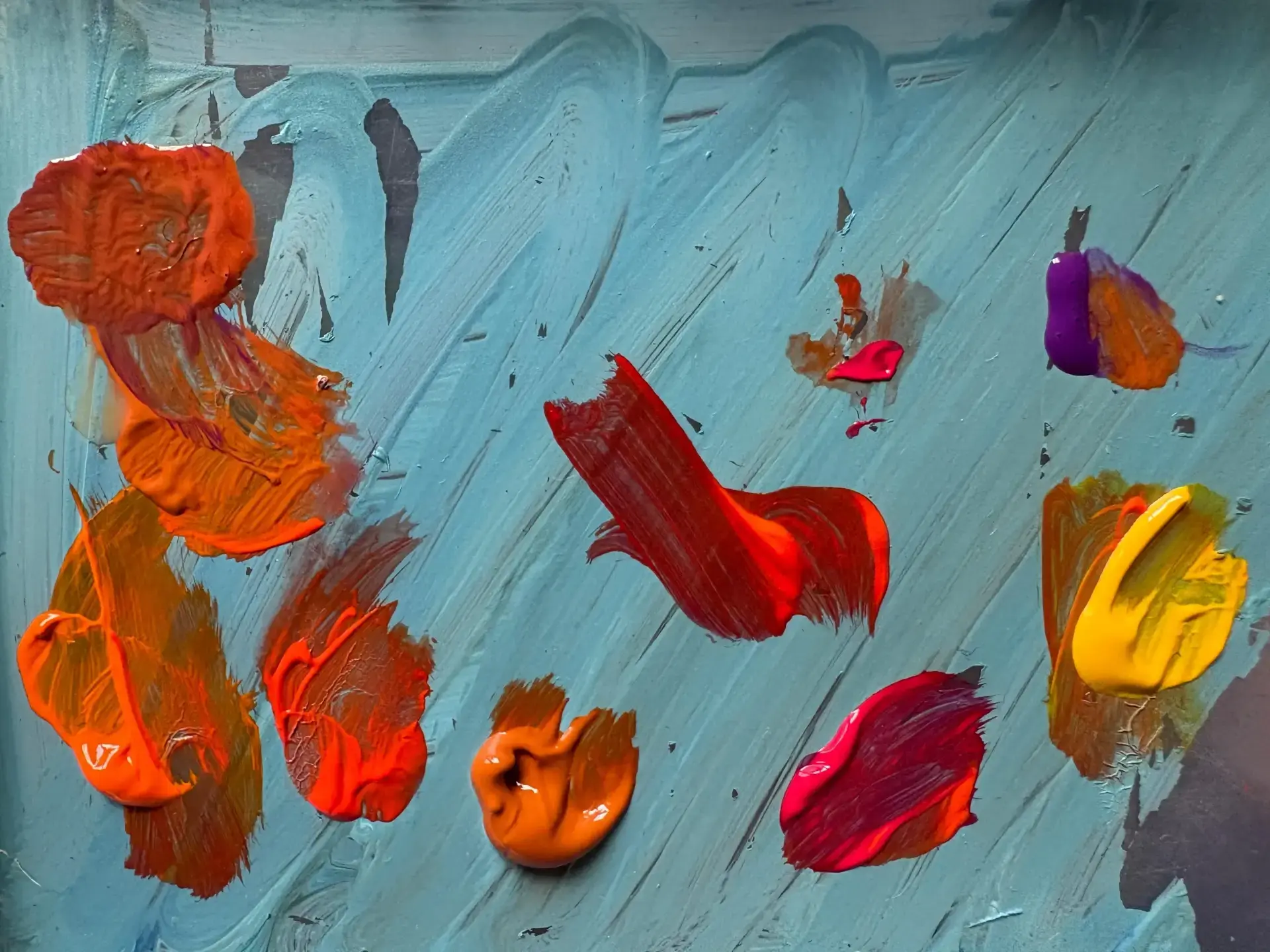
Now that you know color theory, mix your colors directly on the palette. Prepare the necessary shade to darken, then apply it to your canvas. Experiment with different variations to observe all the possible nuances. This technique is based on the chromatic sensitivity that you develop with practice: the more you experiment, the more you gain awareness of colors.
Blending techniques for more natural shadows
Working with acrylic is a race against time! Achieving smooth gradients and soft transitions isn't always easy, but it's essential for successful shading. Here are some techniques to be successful.
An additional dry brush
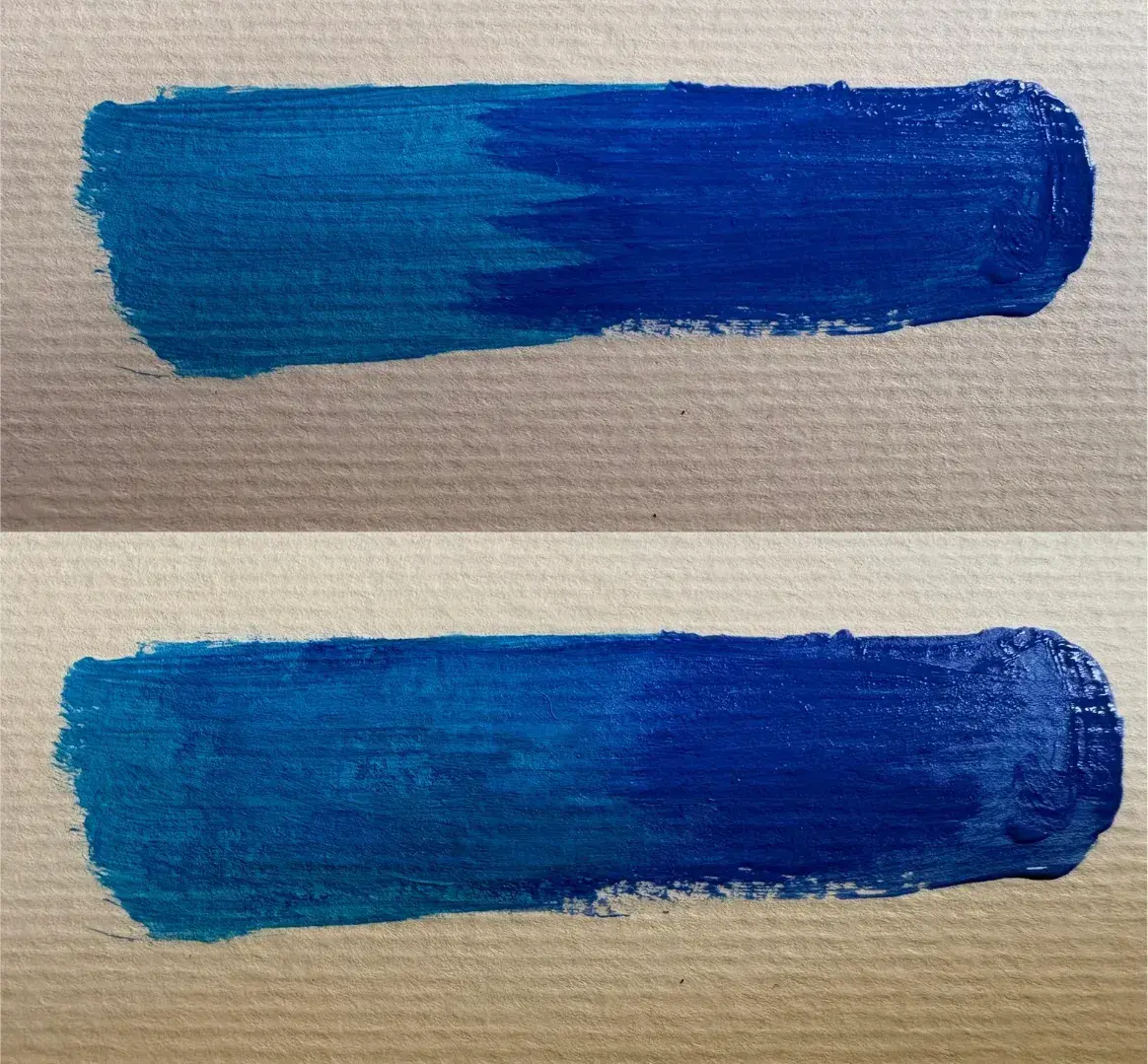
You have a few minutes, or even just a few seconds if you want a very clean result. Once your color is applied, take another completely dry brush (without any paint or water) and gently remove the excess along the edge of your stroke. This creates a nice faded effect. Clean and dry your brush thoroughly before continuing, as you do not want to create any unintended marks.
Brush strokes with the second color
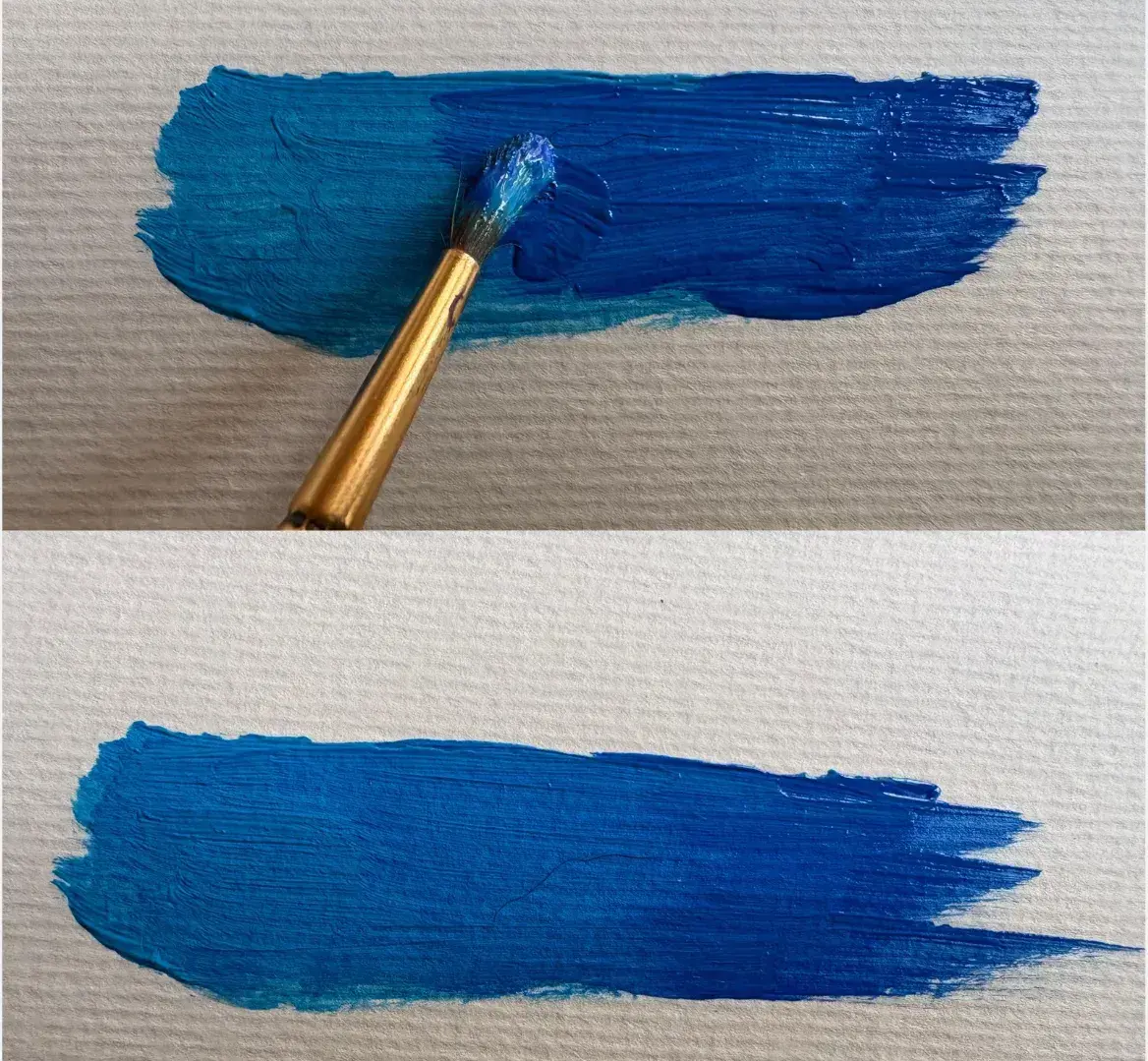
While the paint is still wet, take some of the adjacent color with the brush and apply it to the edge with short, circular movements to create a blend. Once satisfied with the result (and before it dries!), move on to the next color and repeat the process.
A retarder medium or water
If you really need more time to achieve a technical and neat result, your best ally is a paint retarder. This product is specially designed to slow down drying without altering the consistency of the paint, allowing you to work on your blends for longer.

Tips for creating successful shadows with acrylic paint
To conclude, here are some strategies that will save you in difficult times:
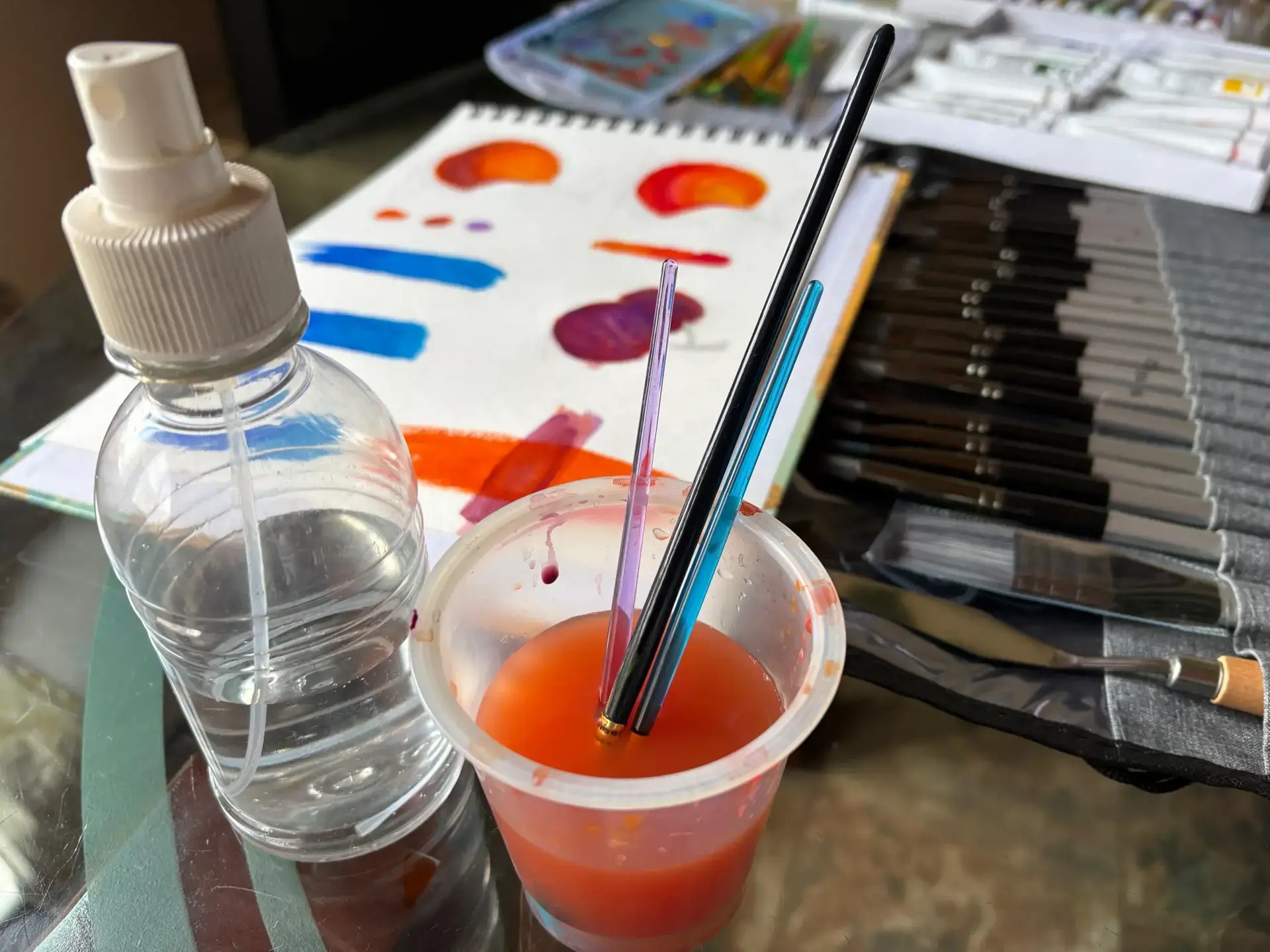
Keep your brushes in water: While you are painting, place your brushes in a container of water. This protects them from the harmful effects of dried paint and keeps them moist to give more fluidity to each brush stroke.
Work by areas and layers: There's no rush to finish everything at once. Working in stages enables you to create artworks with much richer color complexity.
Use a paint retarder during the process: As soon as you apply the paint, it starts to dry. If you need a few extra minutes, add a drop of retarder directly onto your canvas and continue your work.
And that's it for today! I hope you found this article helpful, even though it was a bit theoretical. Most importantly, I hope you now have the keys to apply these concepts in your creations and achieve even more accomplished paintings. See you very soon for another article!
Discussion
No comments yet.